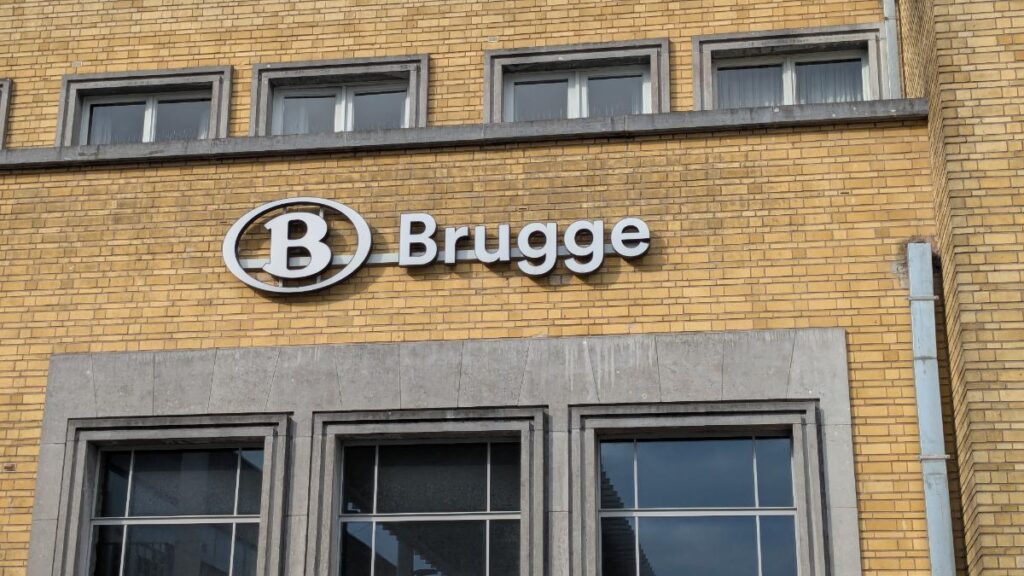
BRUGGE
Ever since that dark comedy with Colin Farrell, Brendan Gleeson, and Ralph Fiennes where two Irish hitmen find a hiding out place in the historical and picturesque Belgian town, Brugge was highly on our list of destinations to visit.
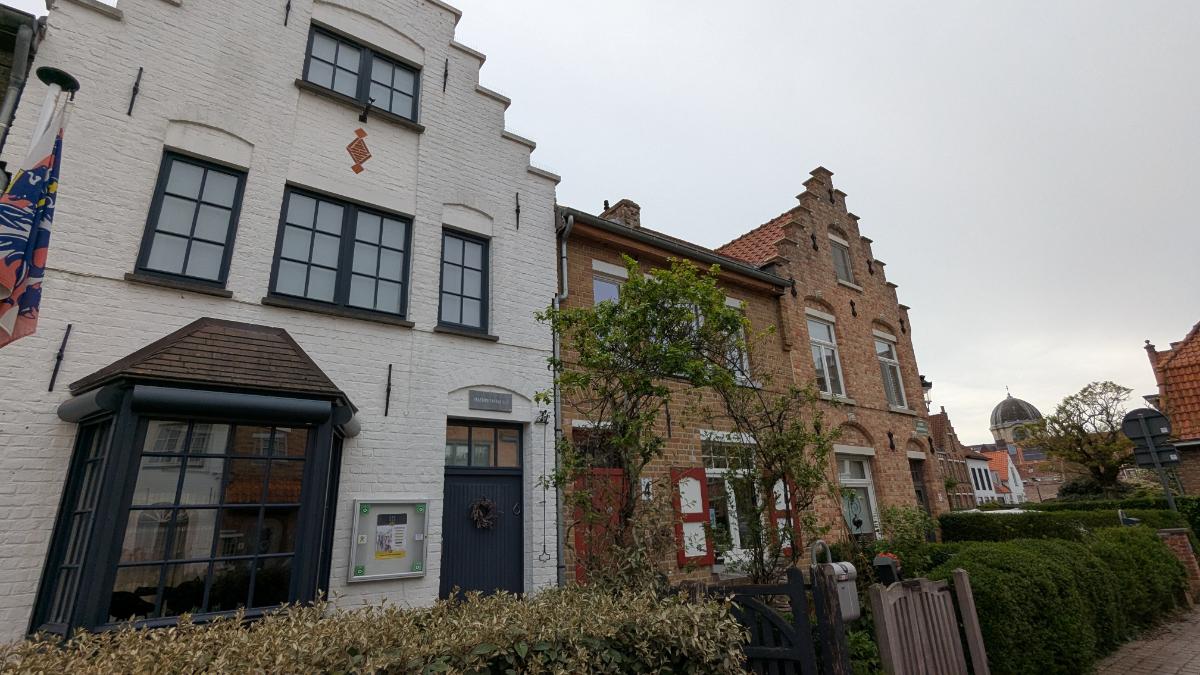
Until last year, Easter. We have found a great deal flight tickets, arriving to Brussels with just a short ride to Brugge and than some day trips to the surrounding area. While googling, I found out the train network in Belgium is fast and convenient, we didn’t think twice, it was just to found a home swap and we were in.
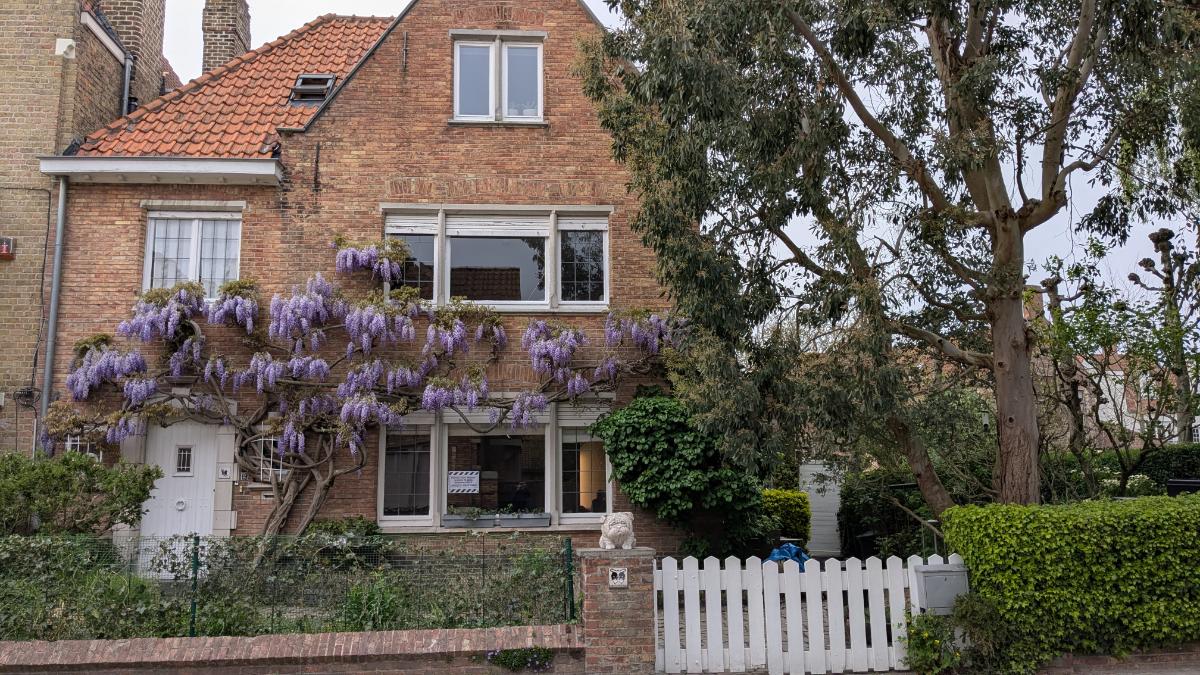
Brugge also holds a special place in on our visit list as it was our firs home exchange experience. Back in 2023 we joined the HE community, the million hosts/guest on line community where people share and exchange their homes, holiday apartments or cabins, cottages. It is a fantastic way to save on the budget, live like the locals, get to know the real life and the neighborhoods rather than spending time in all-the-same hotel rooms. Home swapping is sustainable way of tourism, and it is a way to live as the home owners in another country / city do.
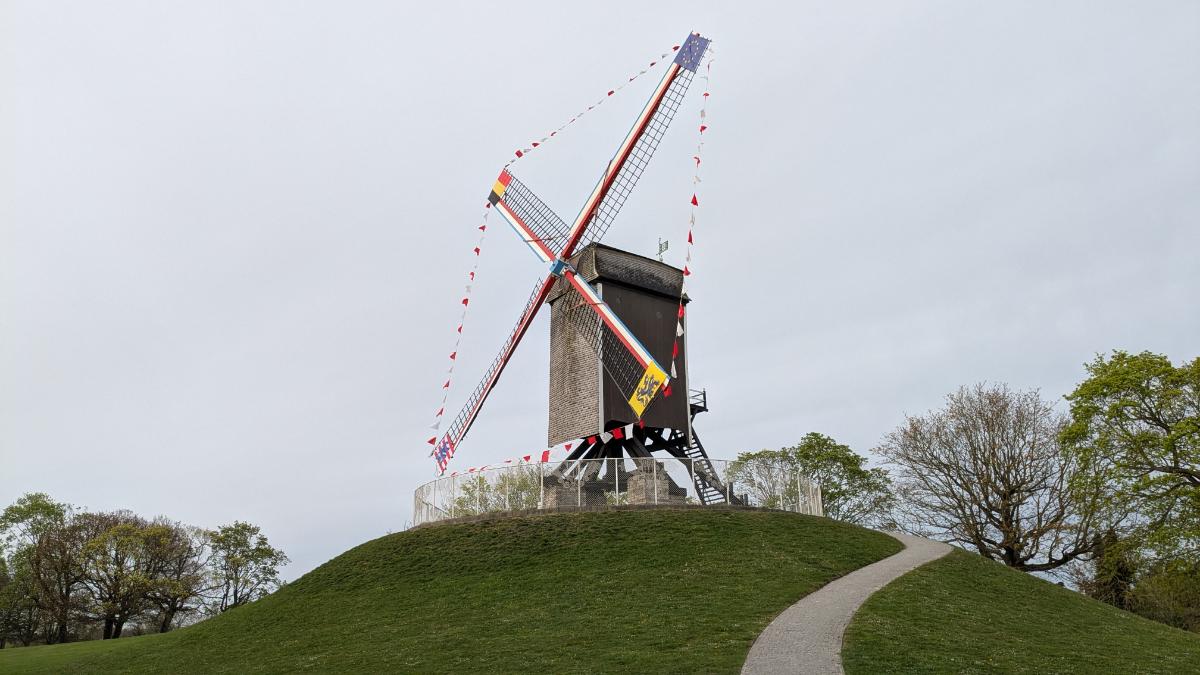
We understand that this is not for everybody, but we are very grateful for people sharing their homes with us as we are very lucky to have someone coming and taking care of our home, like it was their own. HE is especially kind to parents with children, as we tend to search for child-friendly homes with children utensils or toys. A family that hosted us in Brugge, had a larger LEGO collection that belonged to their younger son, and we were so lucky to have M spending morning playing before heading out to explore. Definitely an experience that we will never forget and that inspired future travels.
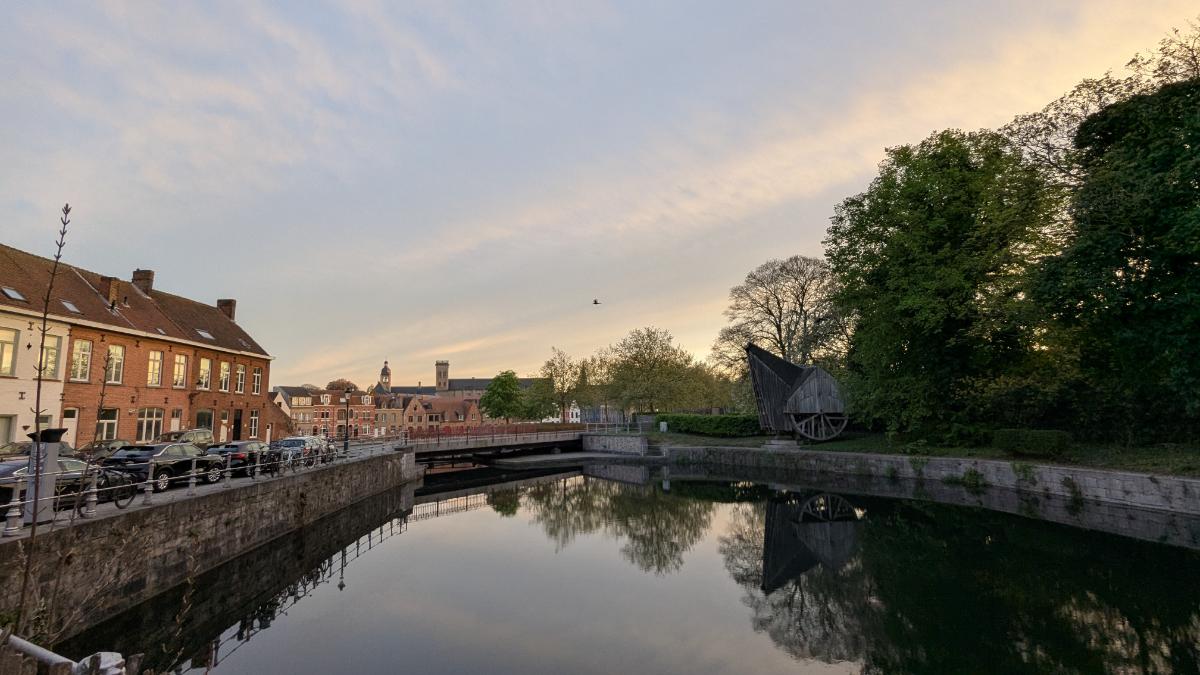
Brugge is definitely as portrayed in the movie; beautiful and attractive.
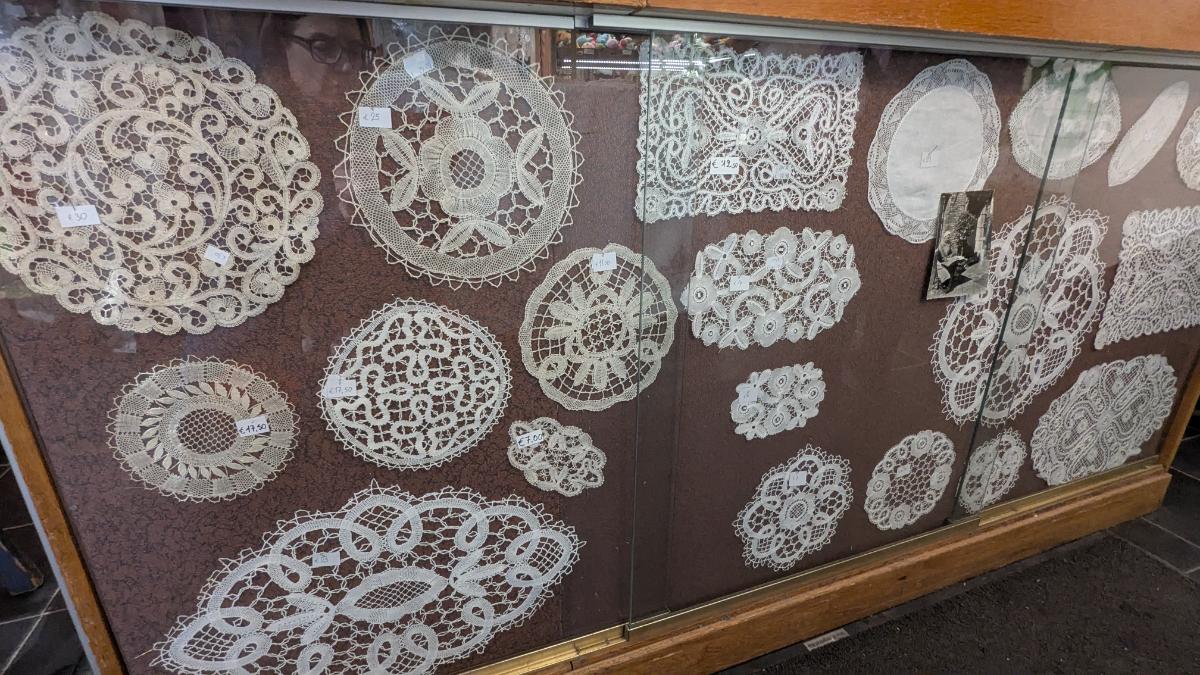
This medieval town, with little over 14 000 inhabitants is located in the Western Flemish part of Belgium. This meaning the predominant language is Dutch so the name of the town is pronounce Bruhe and not Broozh like in the French part of Belgium.
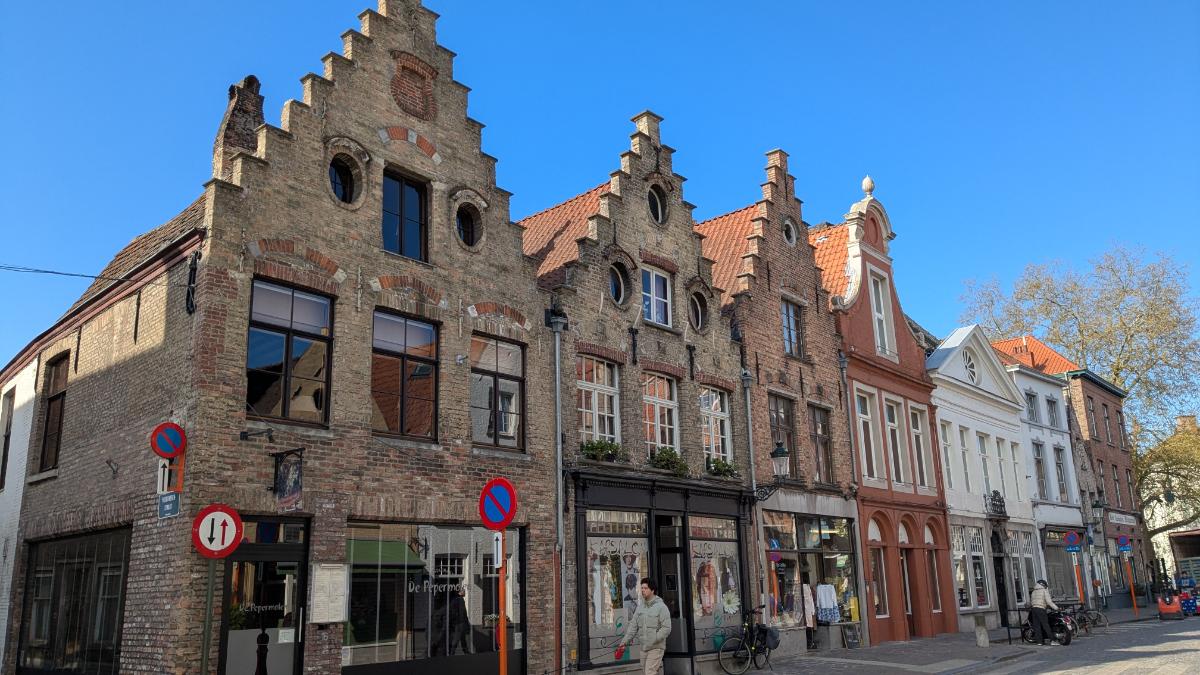
The historic city center is a prominent World Heritage Site of UNESCO. Cities oval shape is flanked by a large canal, Ghent Bruges canal, one of the Flanders’ most historic and picturesque waterways. The 43 kilometer link between two of the Belgium’s most beautiful medieval cities has served as a strategic commercial route back in the past, and today is used mostly as a scenic corridor for leisure and industry alike.
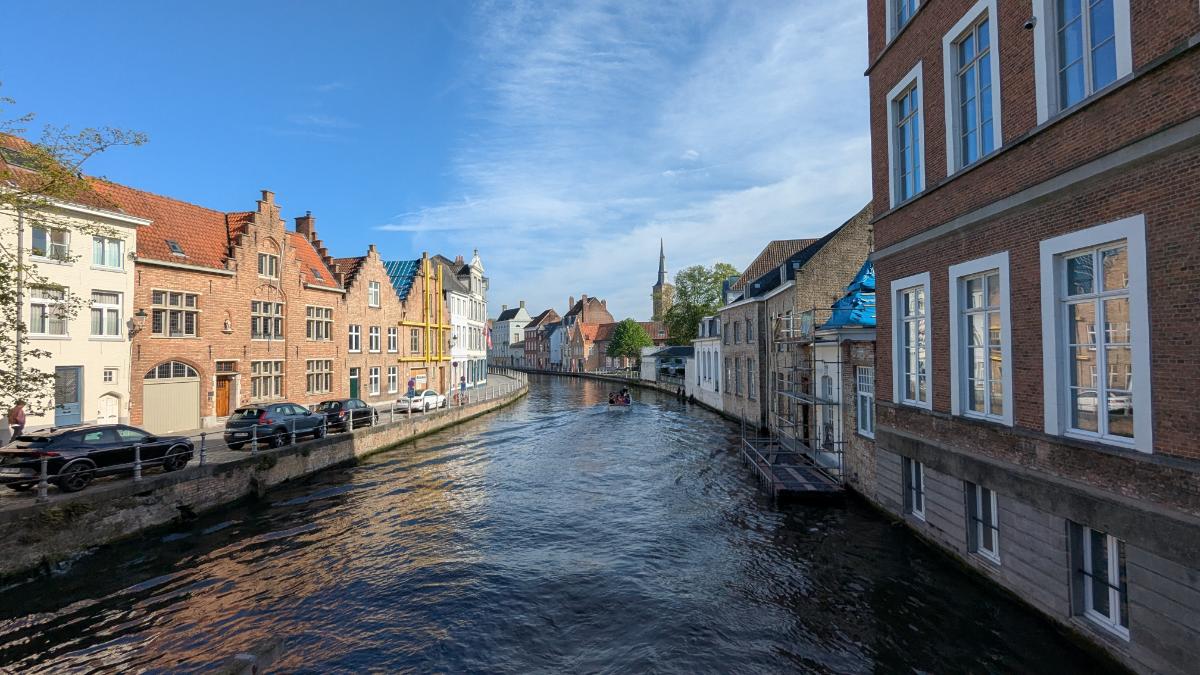
Bruges is often called the Venice of the North thanks to its network of medieval canals that intertwine between old guild houses, under the stone bridges, and along quiet backstreets, creating one of Europe’s most atmospheric and unique urban landscapes.
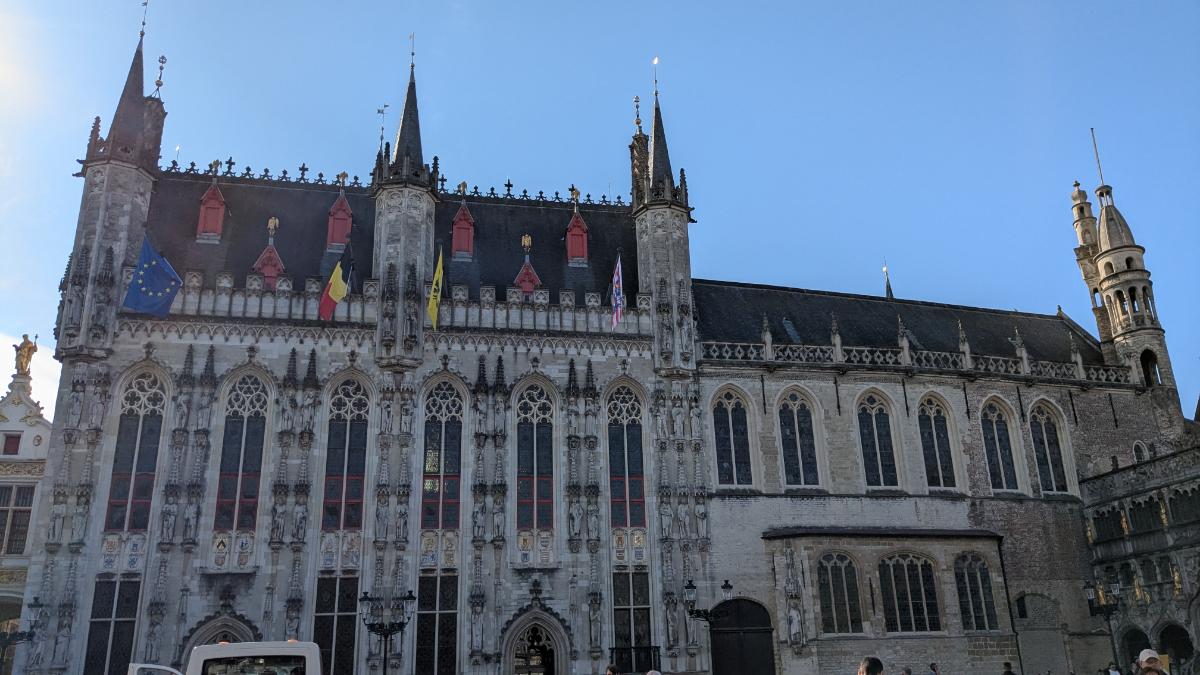
The canals were originally built back in the Middle Ages in order to connect Bruges with the inland towns and to create a link between the sea ports.
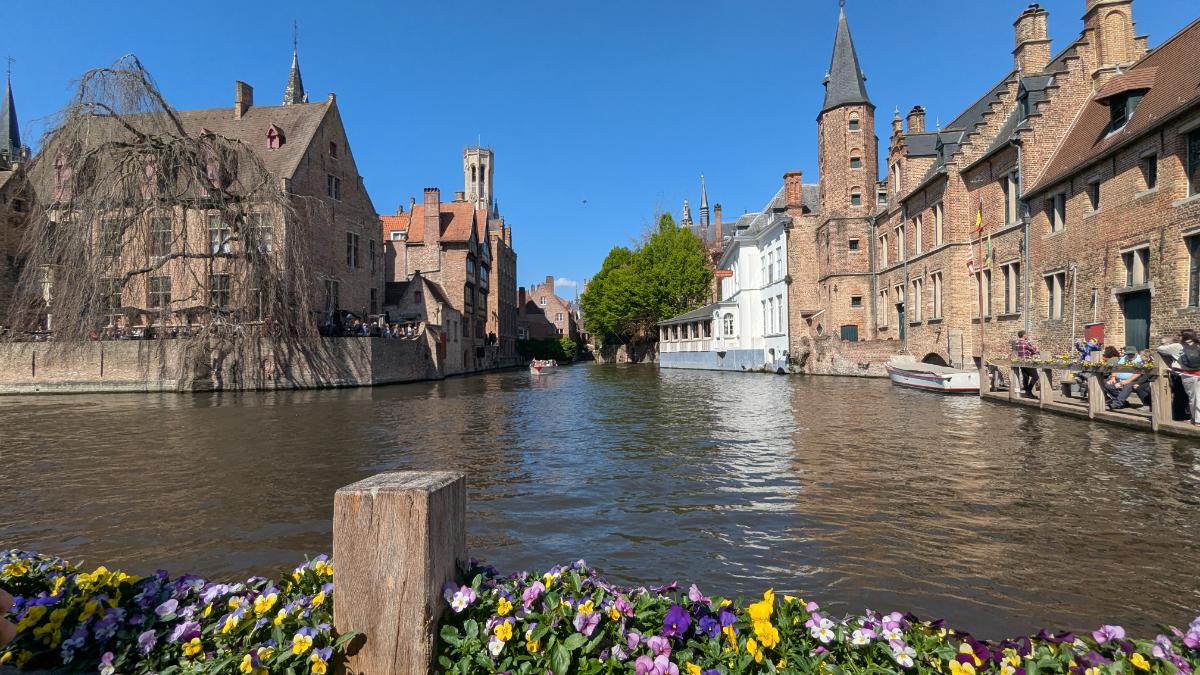
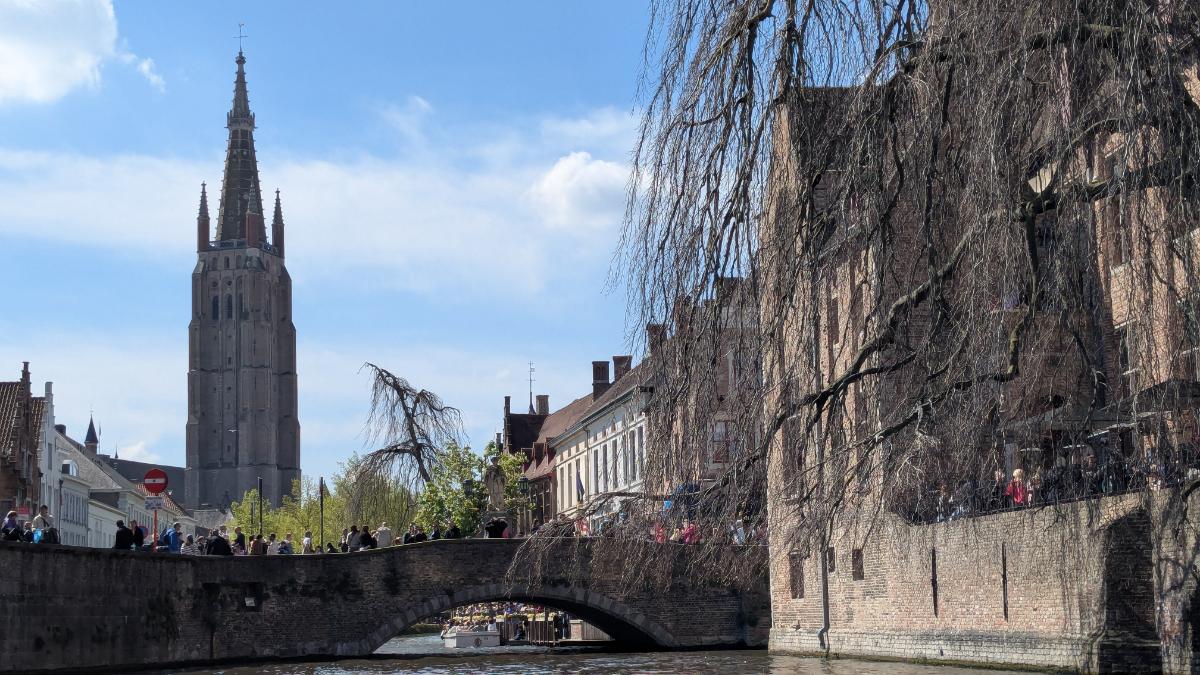
The reason for that was more than obvious. It allowed the local merchants to bring in wool, spices, and all of the luxury goods, making Bruges one of Europe’s richest cities in the 14th century. Today, the canals still follow those historic routes, giving the city its distinctive layout and offering the opportunity to jump on one of the many canal boat tours.
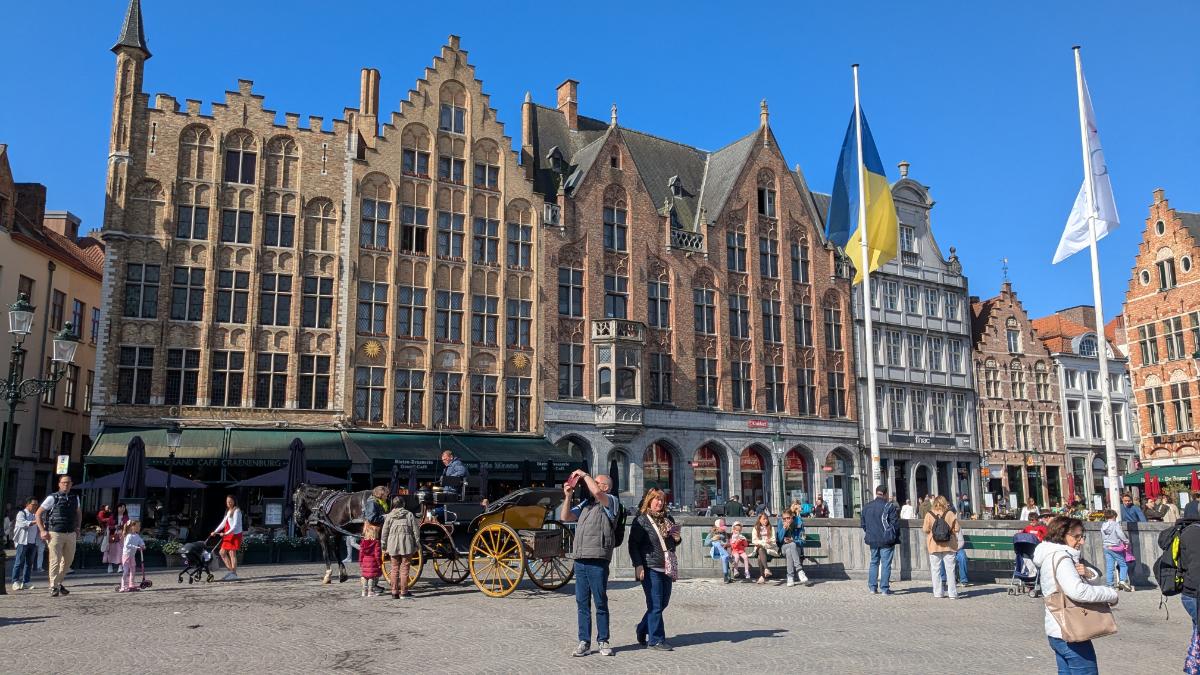
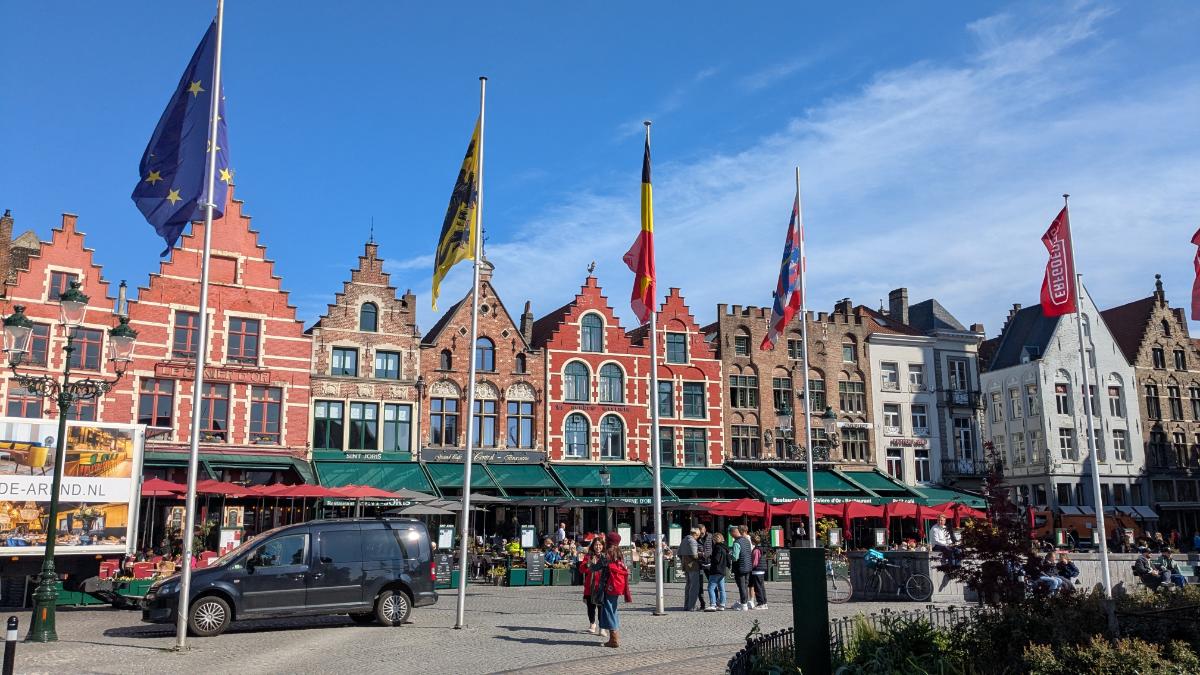
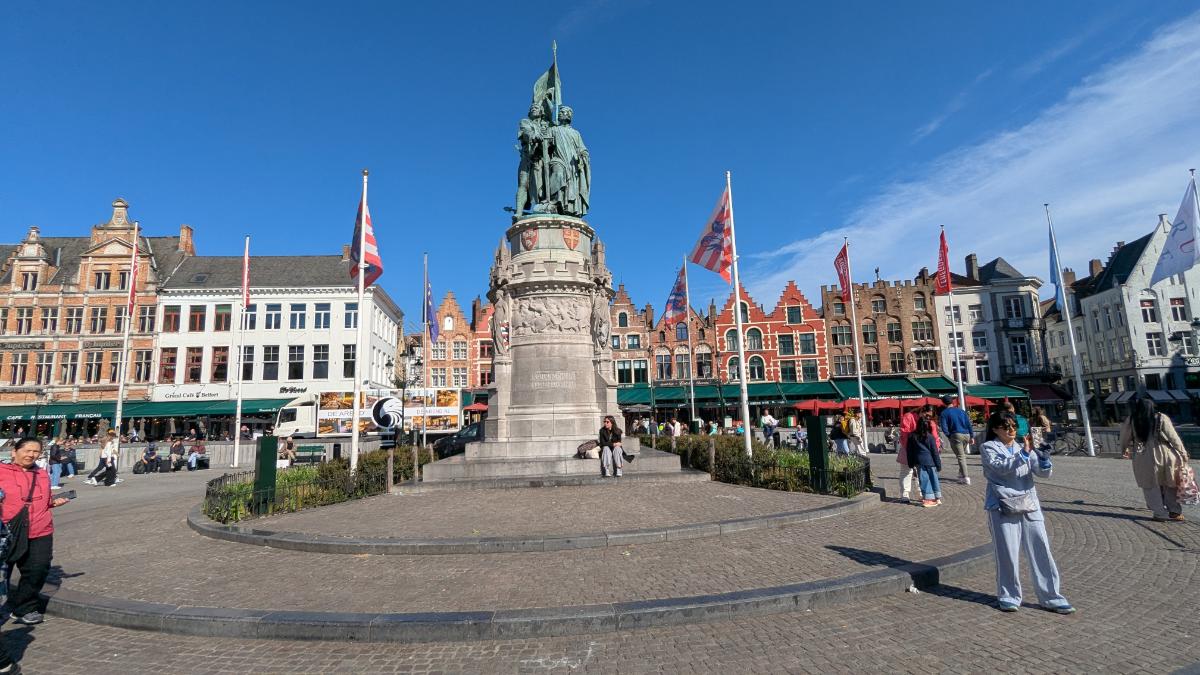
After a delicious food tour, instead of the usual walking tour, we decided to hop on a boat tour this time and glide through city water veins under the low bridges.
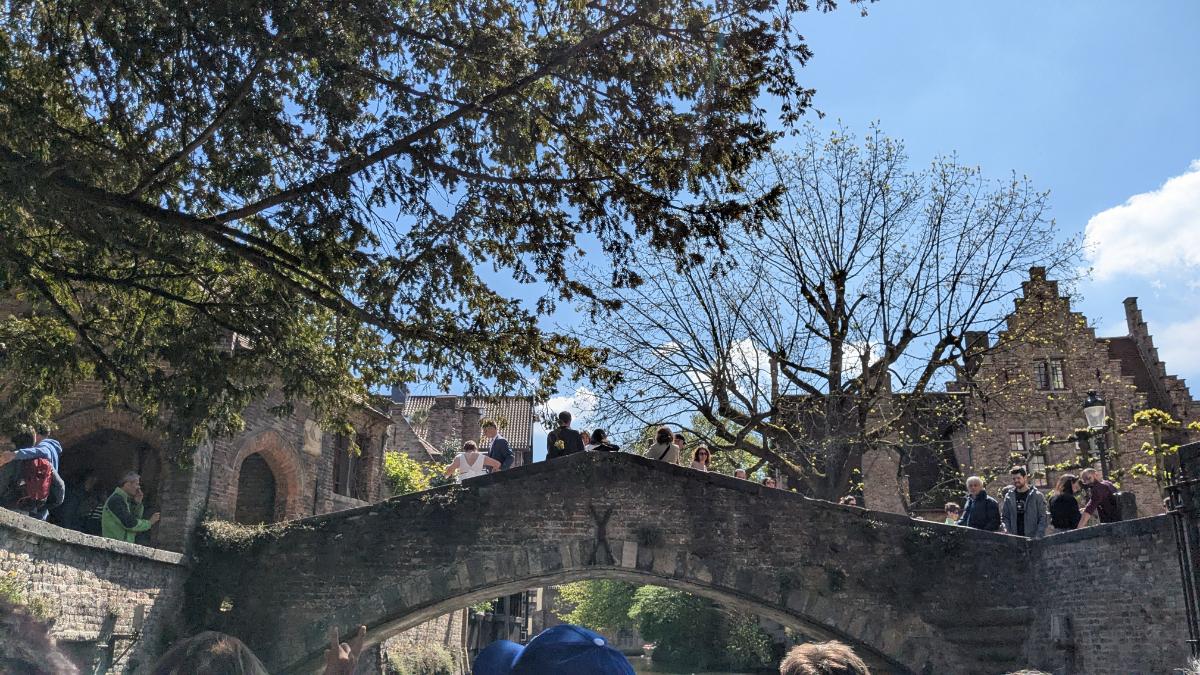
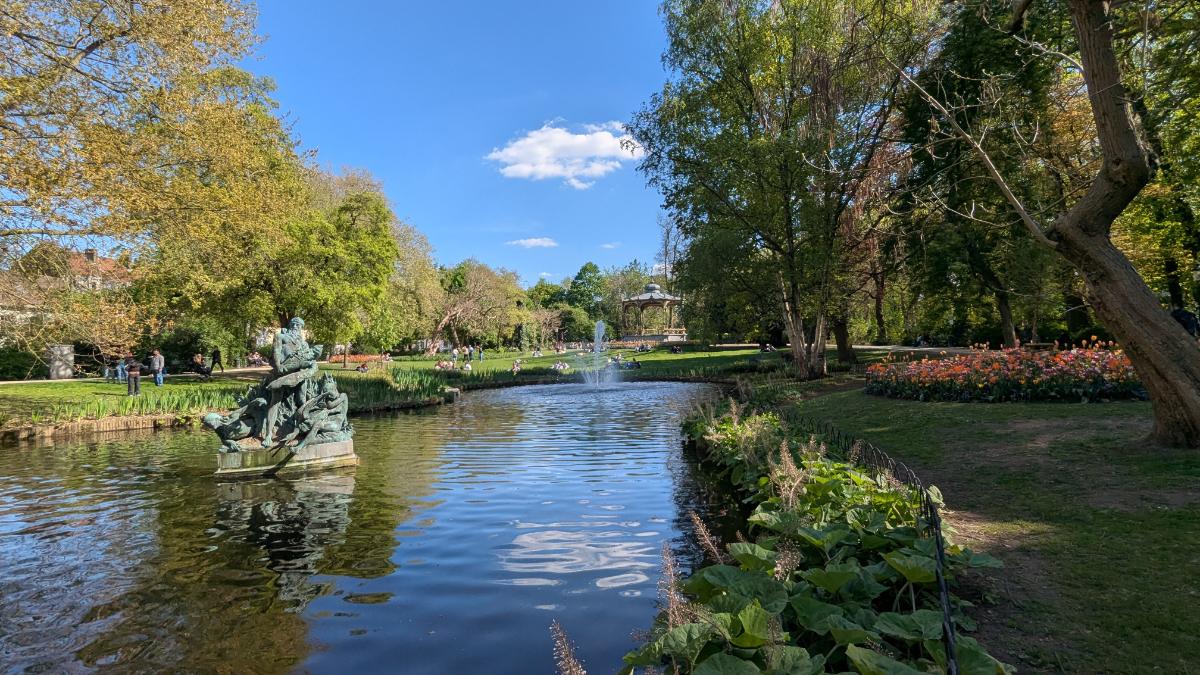
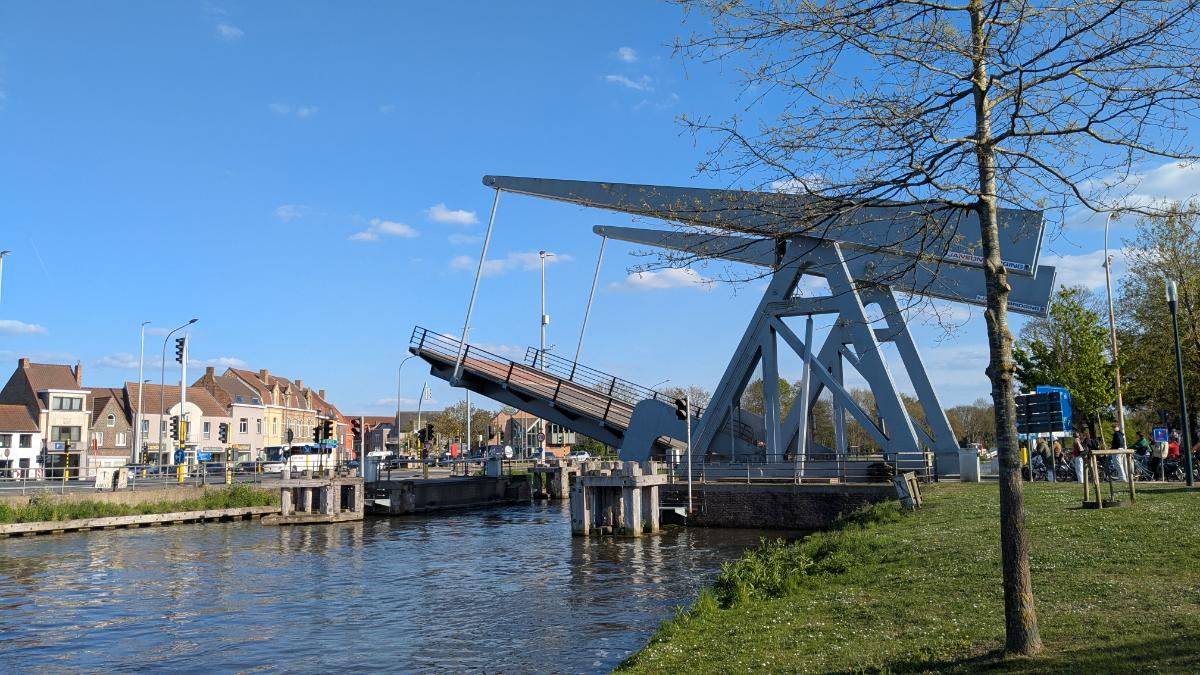
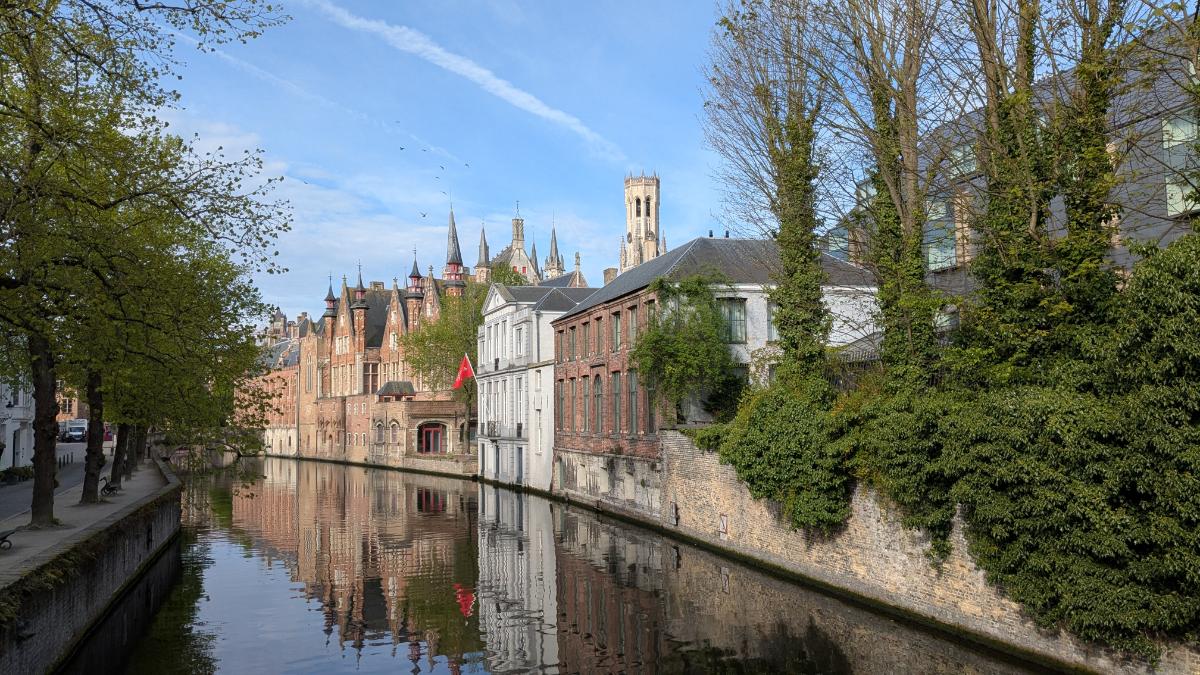
The four full days were just enough to experience the city vibe and visit some neighboring cities like Blankenberge and Ghent.
BLANKENBERGE
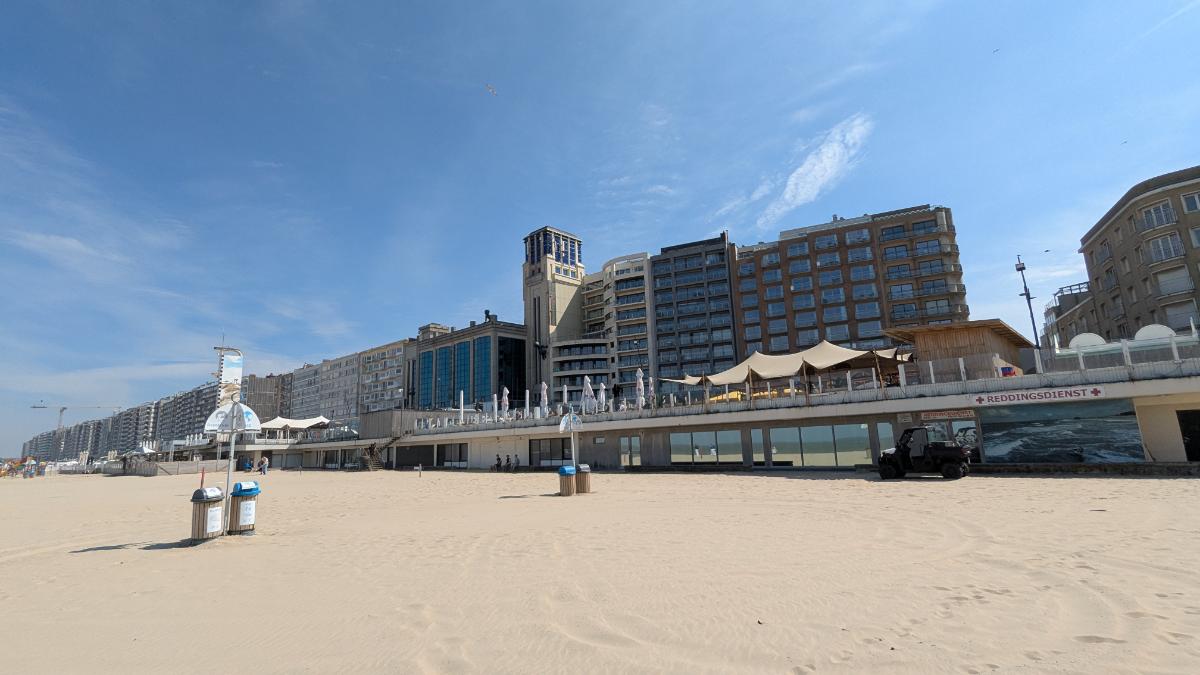
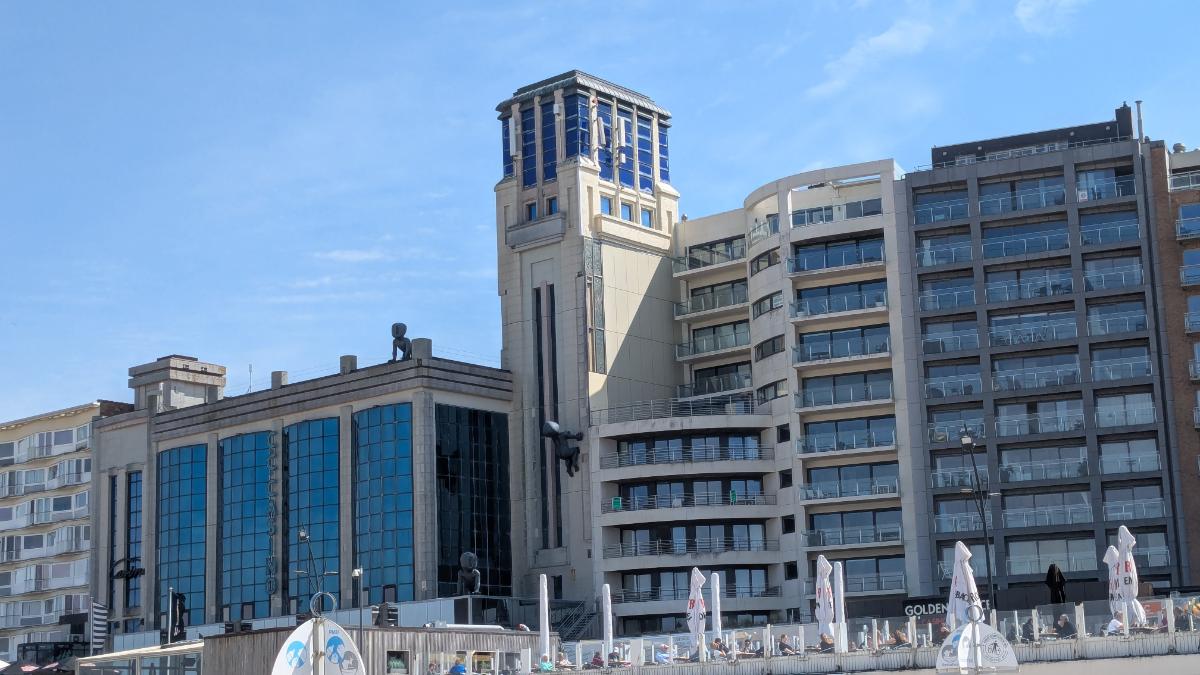
This coastal town with a long sandy beach, promenade and a busy marina is situated less than 20 km north of Brugge. The town is known for its art nouveau and some old 17th century Flemish-Renaissance style buildings that we didn’t get to sea, because our main point was the beach.
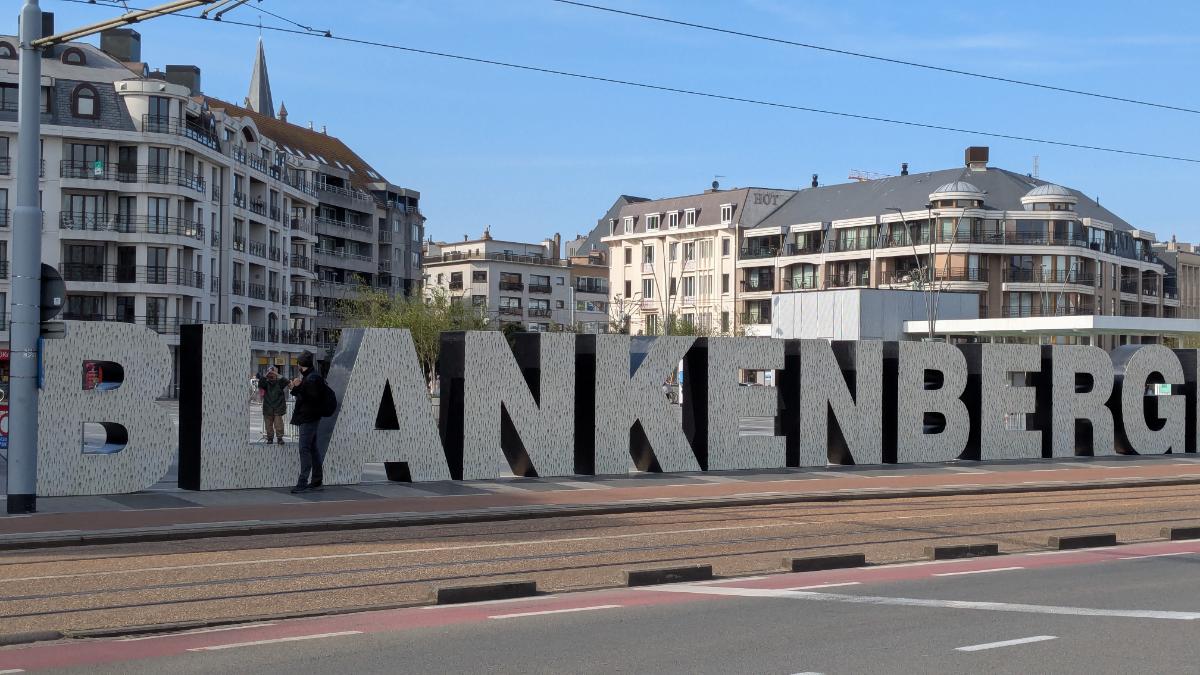
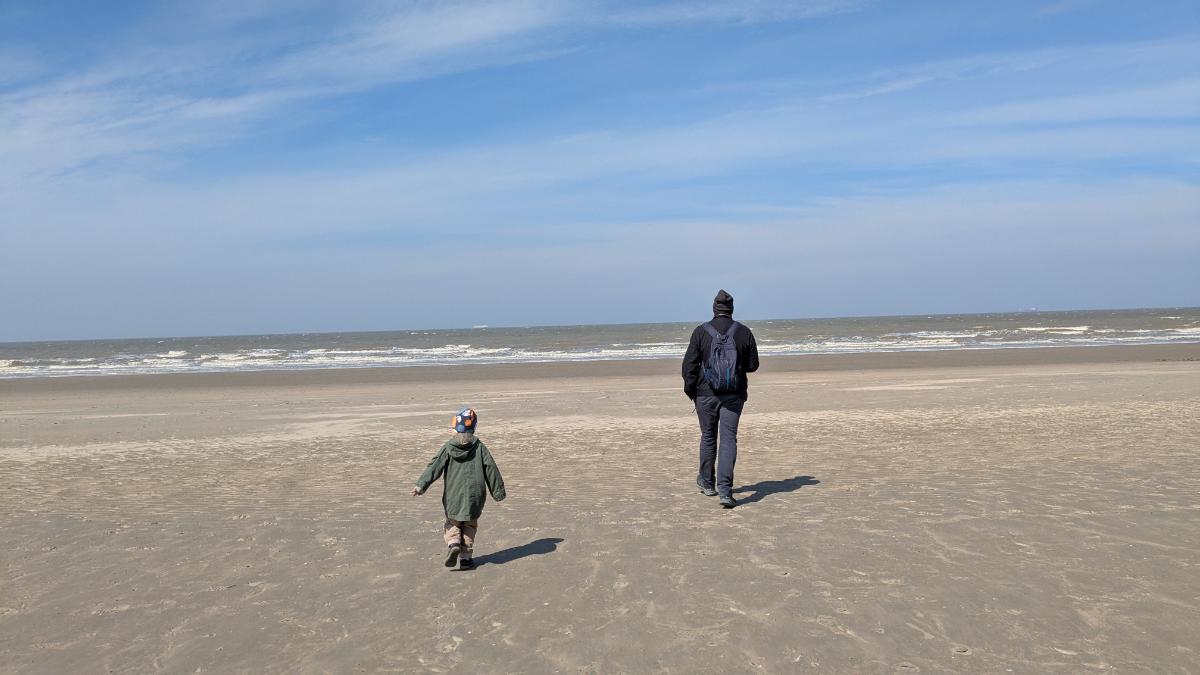
We love coastal cities, we even live in a one, and we adore sea and the beaches, but I don’t know where our mind was to go out to the North Sea. Although a sunny warm day, the beach day in mid April in Belgium way waaaay too windy and cold. We got blown away by the wind and M got delayed cold when we got back to Oslo. Still, it was a nice day out, eating ice cream and driving the local public transport. Avoid buses, as they stop on every single stop and beyond, go for the trains that are clean, fast, on time and affordable.
GHENT
Ghent on the other side was a total hit.
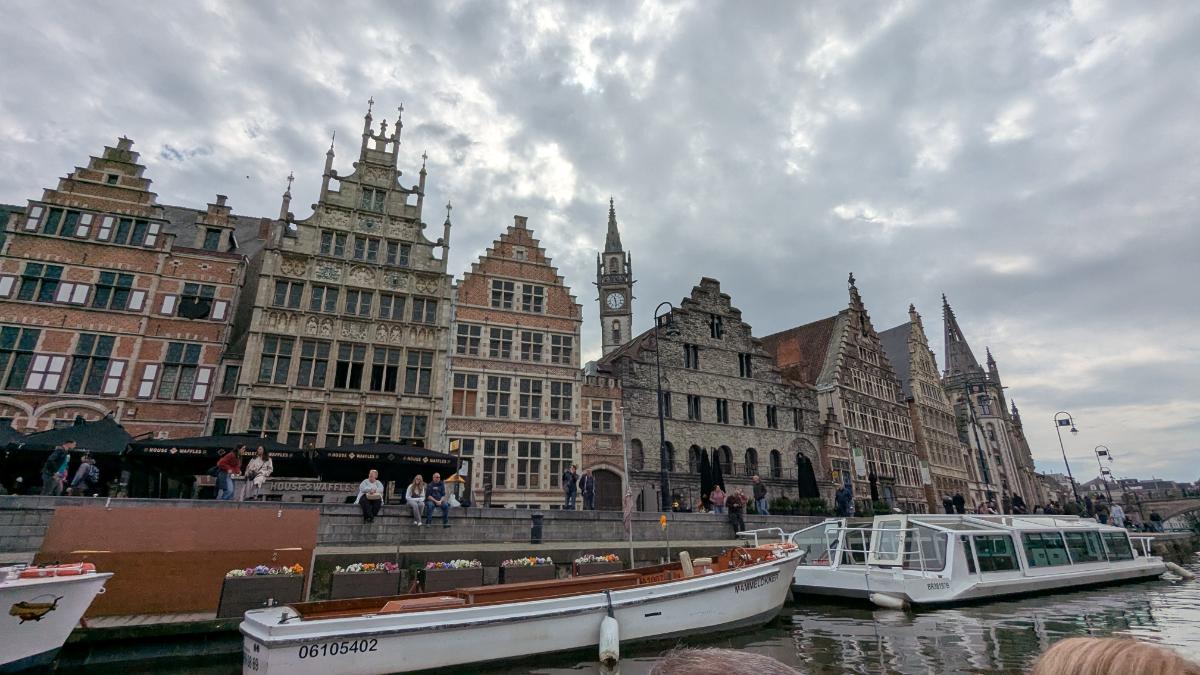
The third largest city in the country, after Brussels and Antwerp, Ghent is better known and visited than Brugge.
With a population of more than 200 000 inhabitants, Ghent is visited by four times more visitors every year. No wonder, as the medieval center, also a pedestrian zone, is well preserved and oh so charming and beautiful.
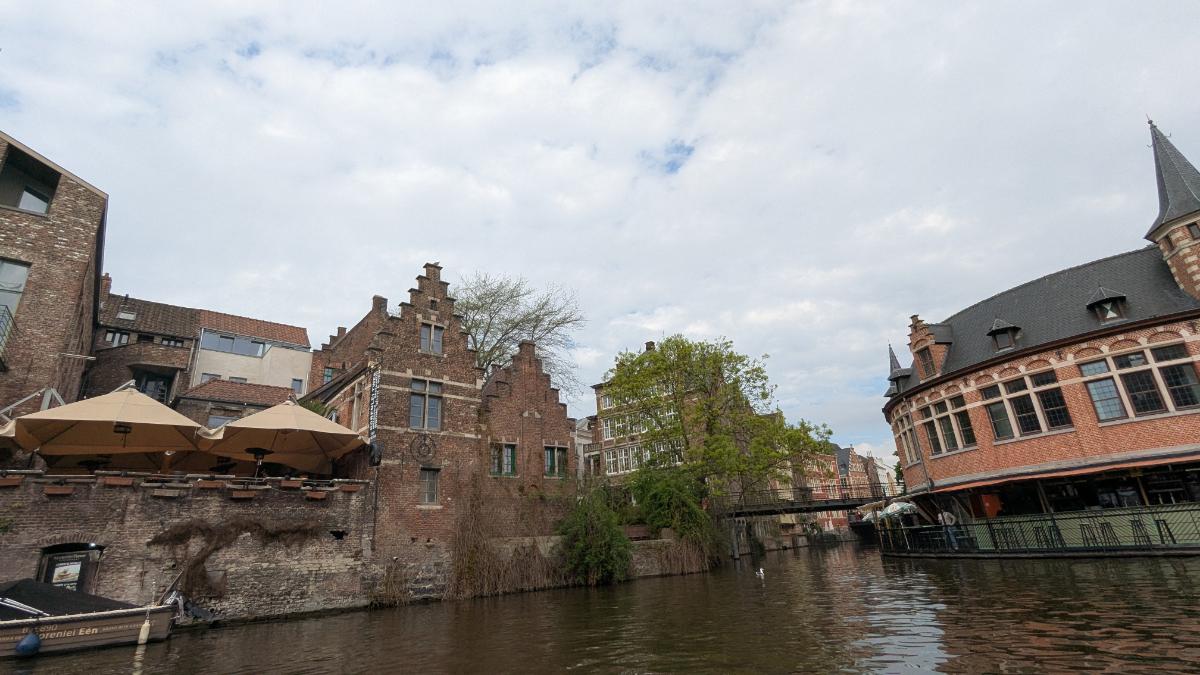
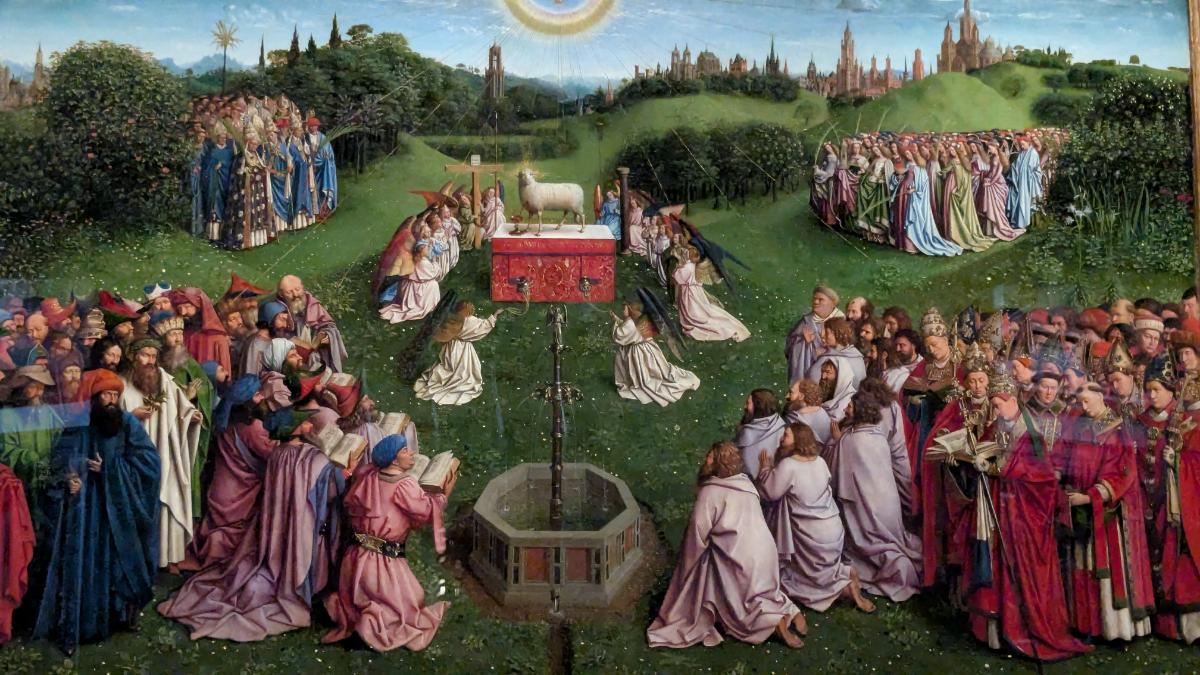
For me, once enthusiastic art historian, now just a lover of all beautiful and tasty stuff, Ghent was a must destination due to its altarpiece, the Adoration of the Mystic Lamb painted by the van Eyck brothers at the beginning of 1400.
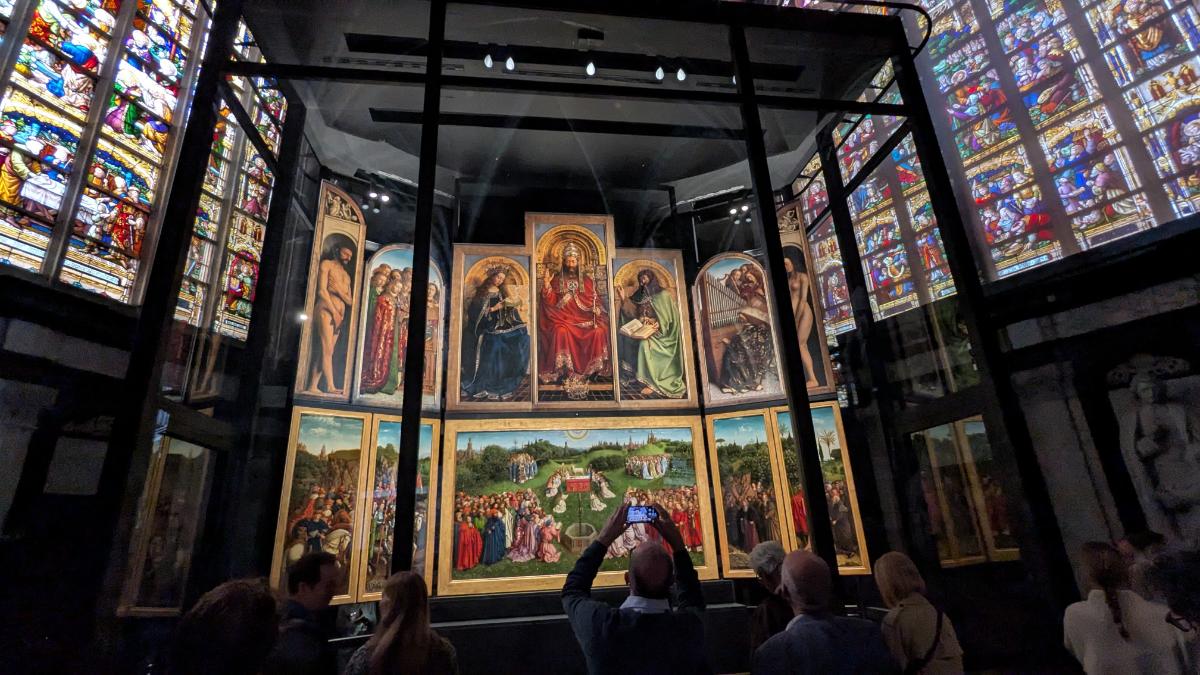
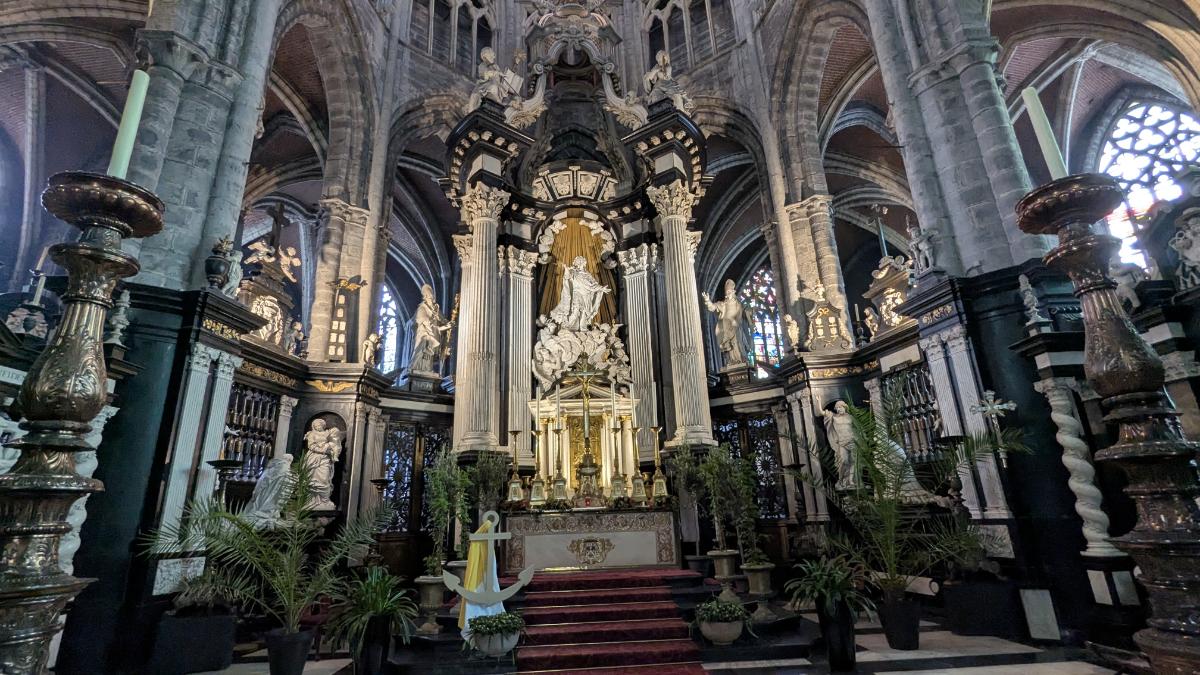
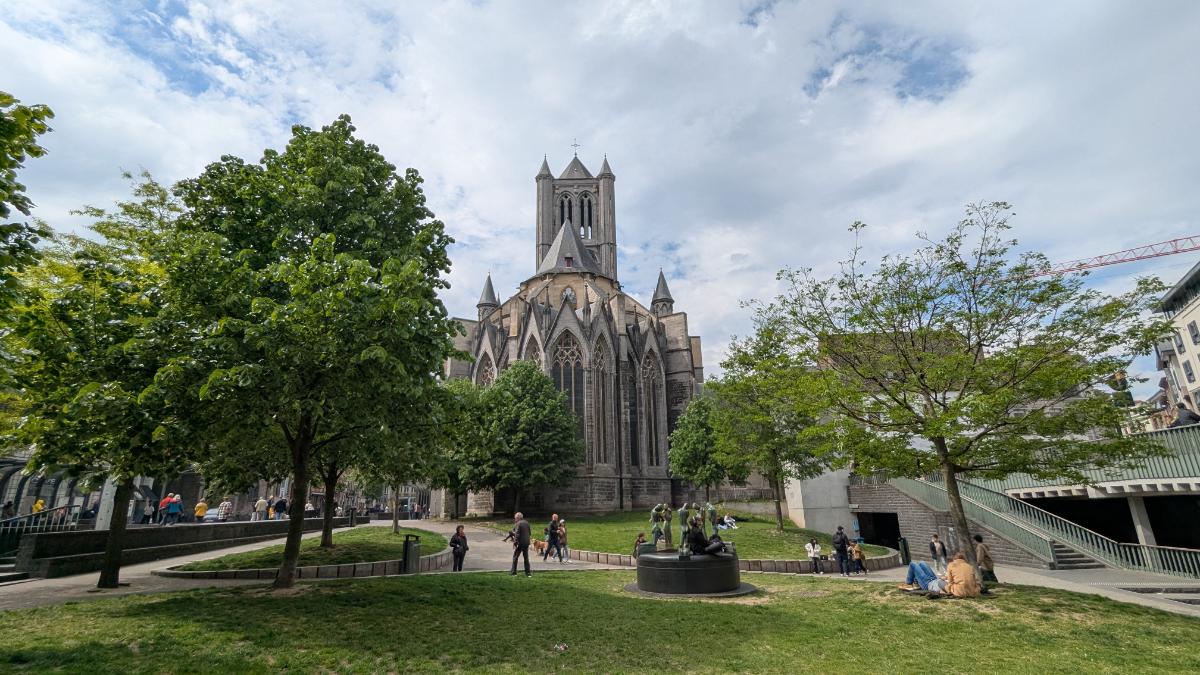
Considered a masterpiece of European art and identified as “the first major oil painting’’ by some historians, the Ghent altarpiece is kept and exhibited in the St Bavo cathedral, the 89-metre-tall Gothic building, from late 1200.
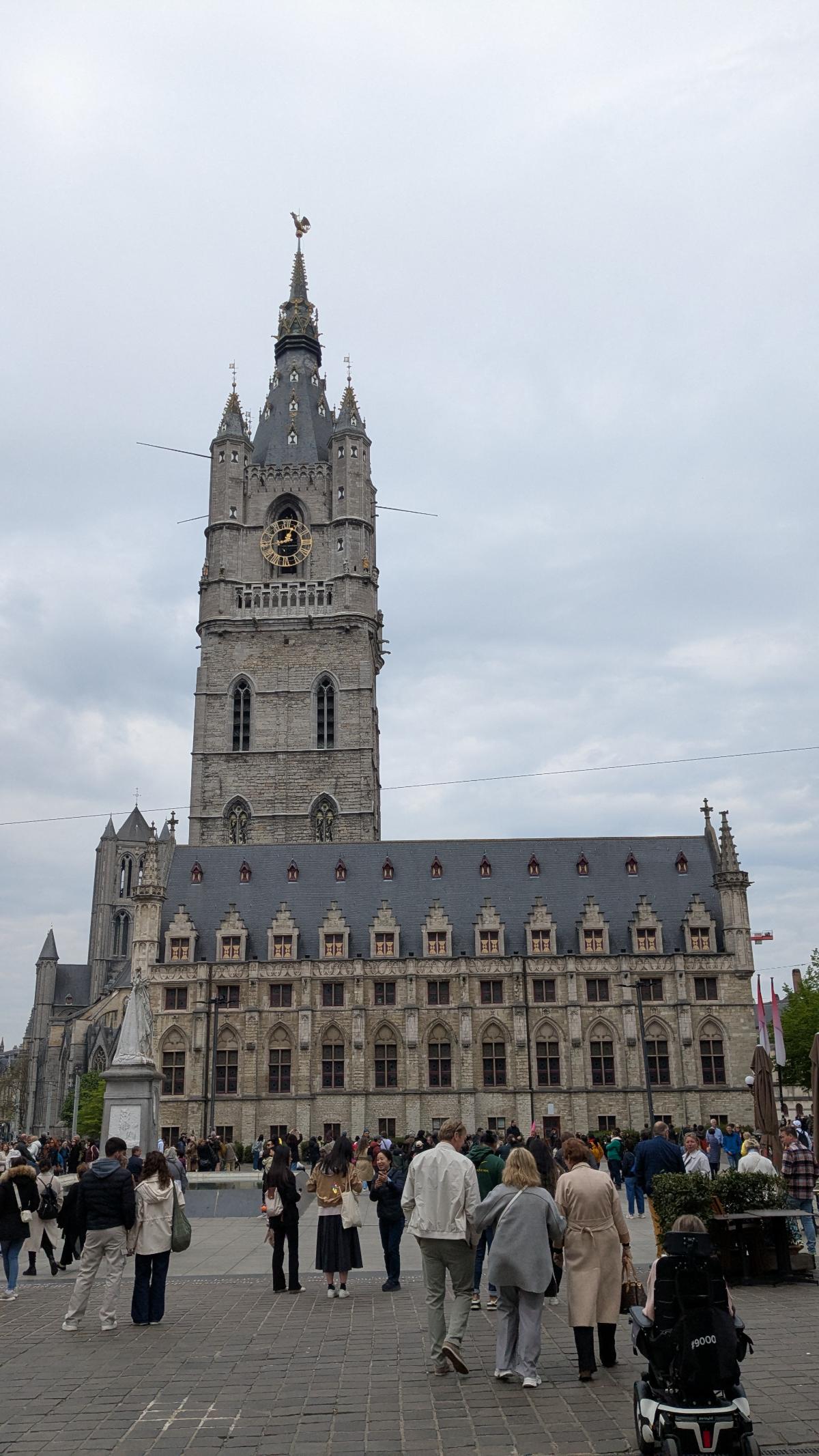
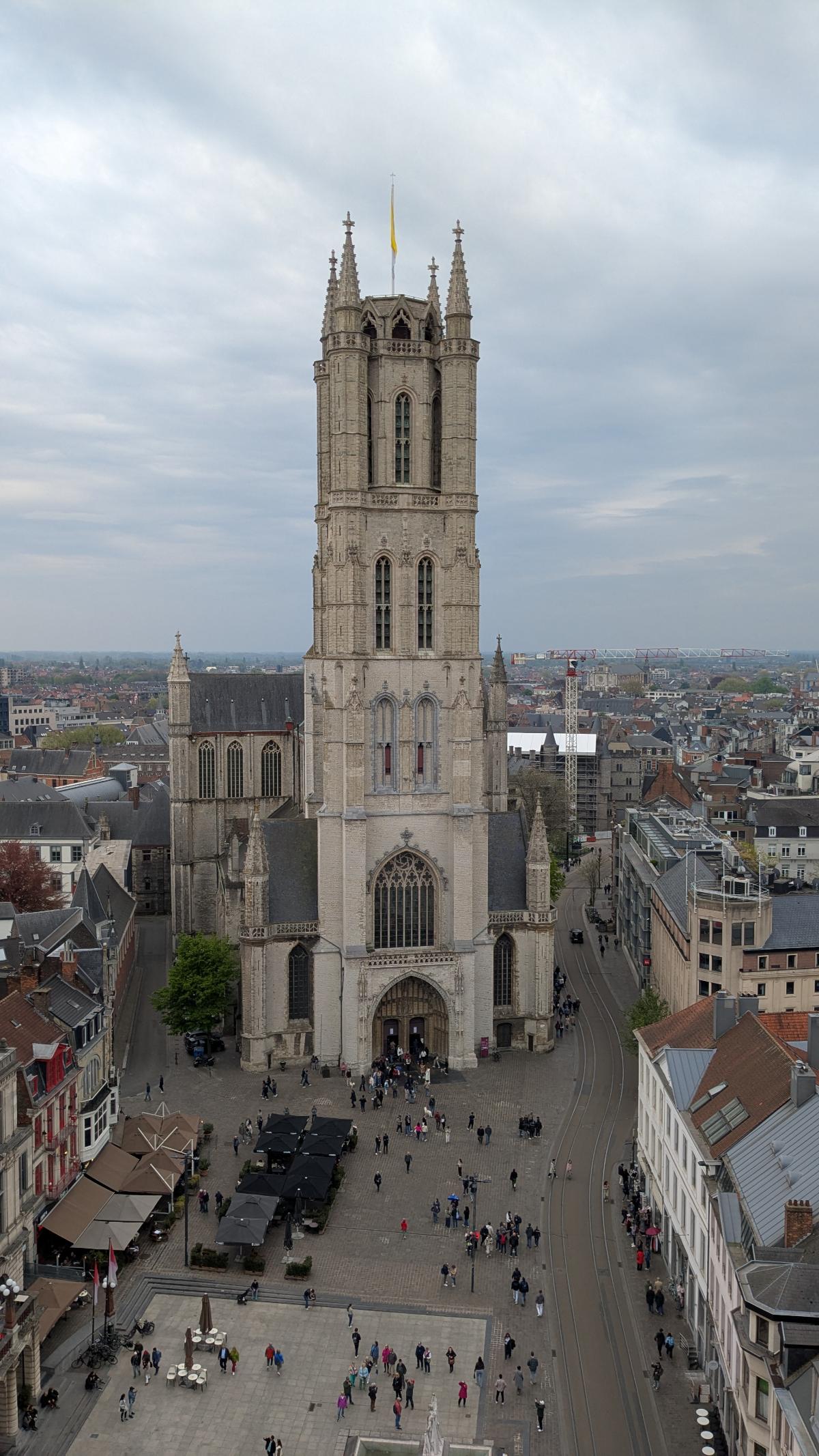
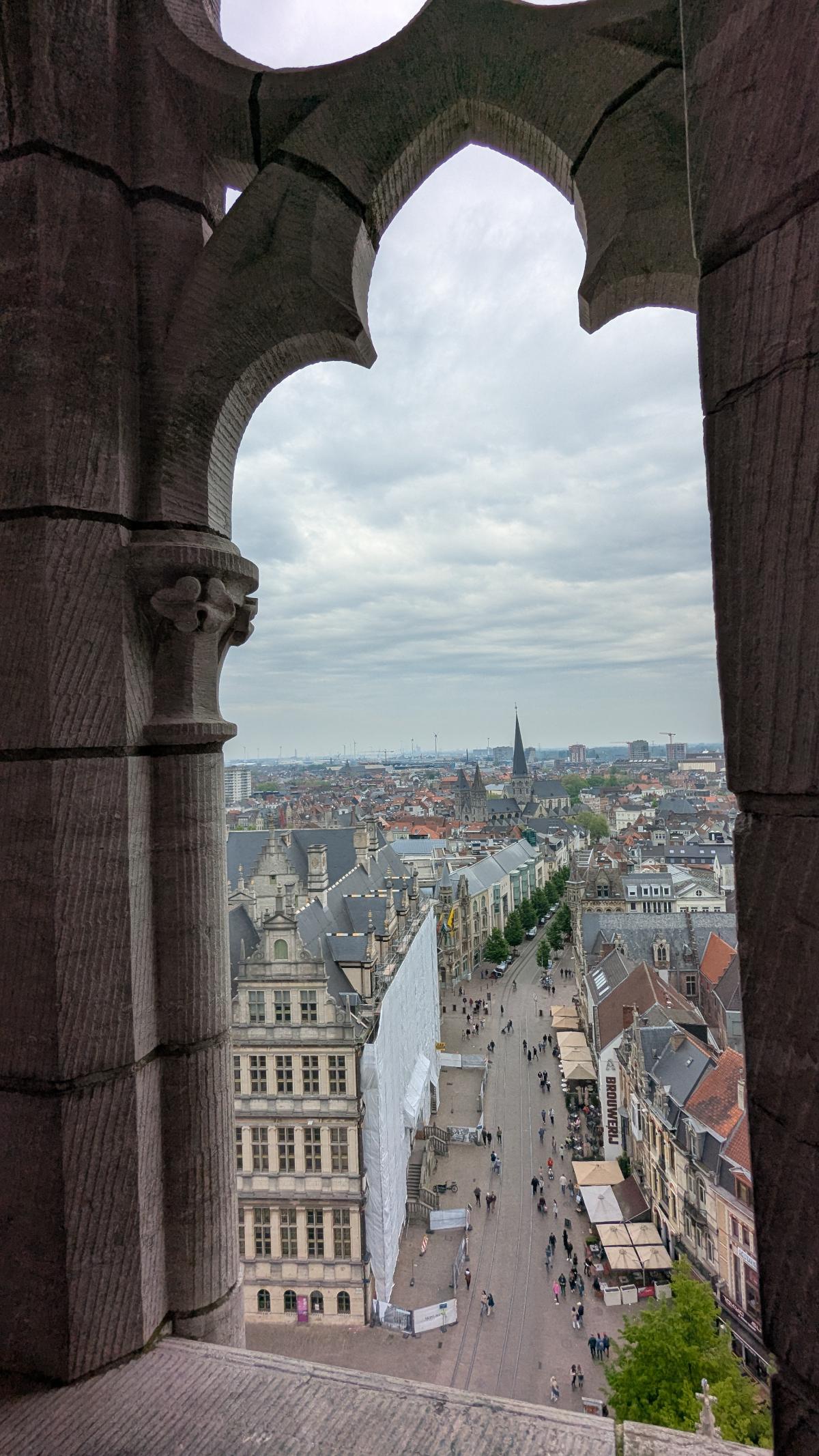
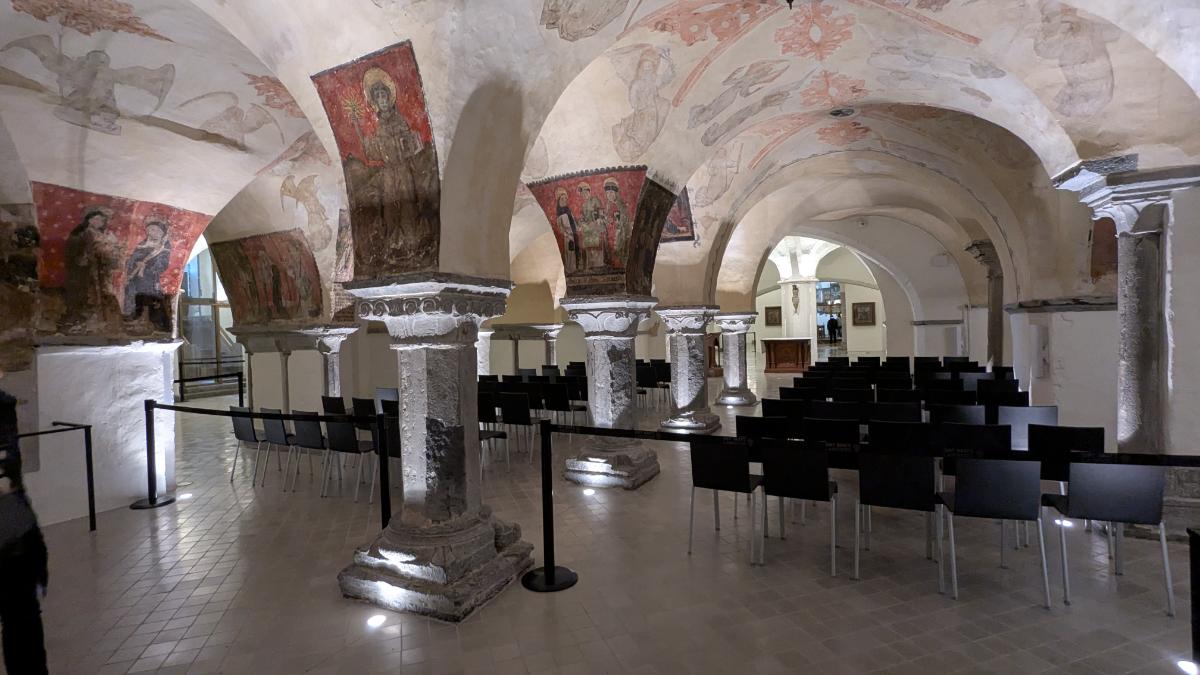
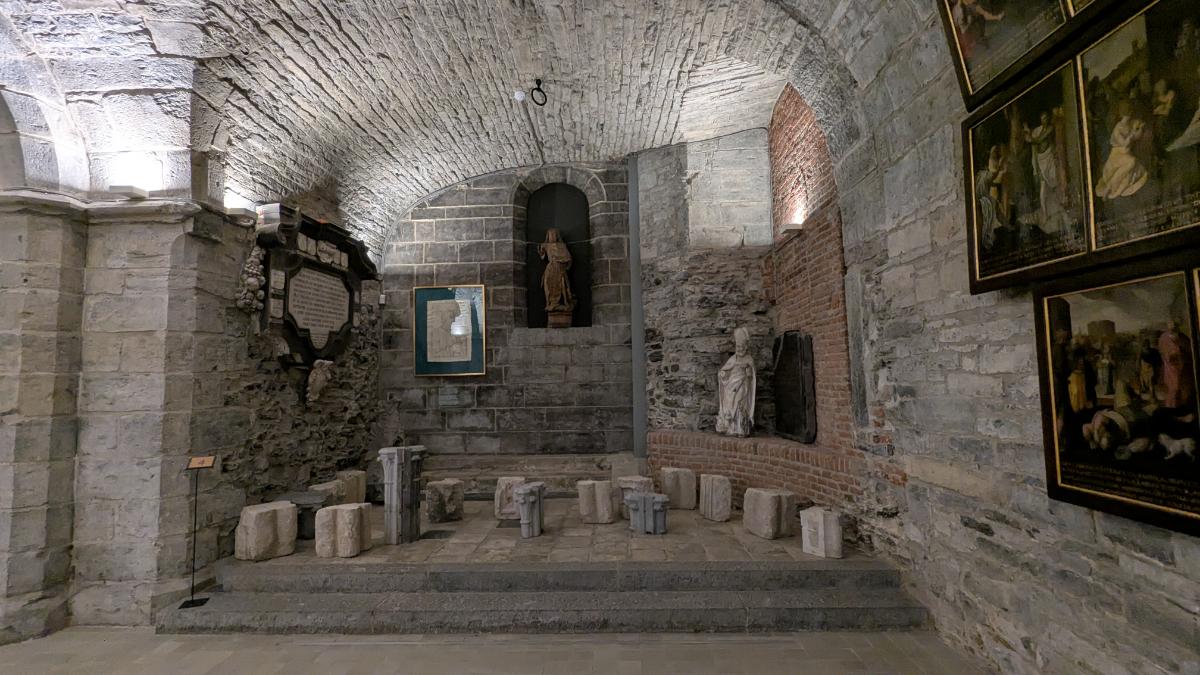
While the boys were enjoying trampolines behind the east facade of the church, I treated my self with an audio visual AR guiding tour of the crypt and the full half an hour of painting adoration.
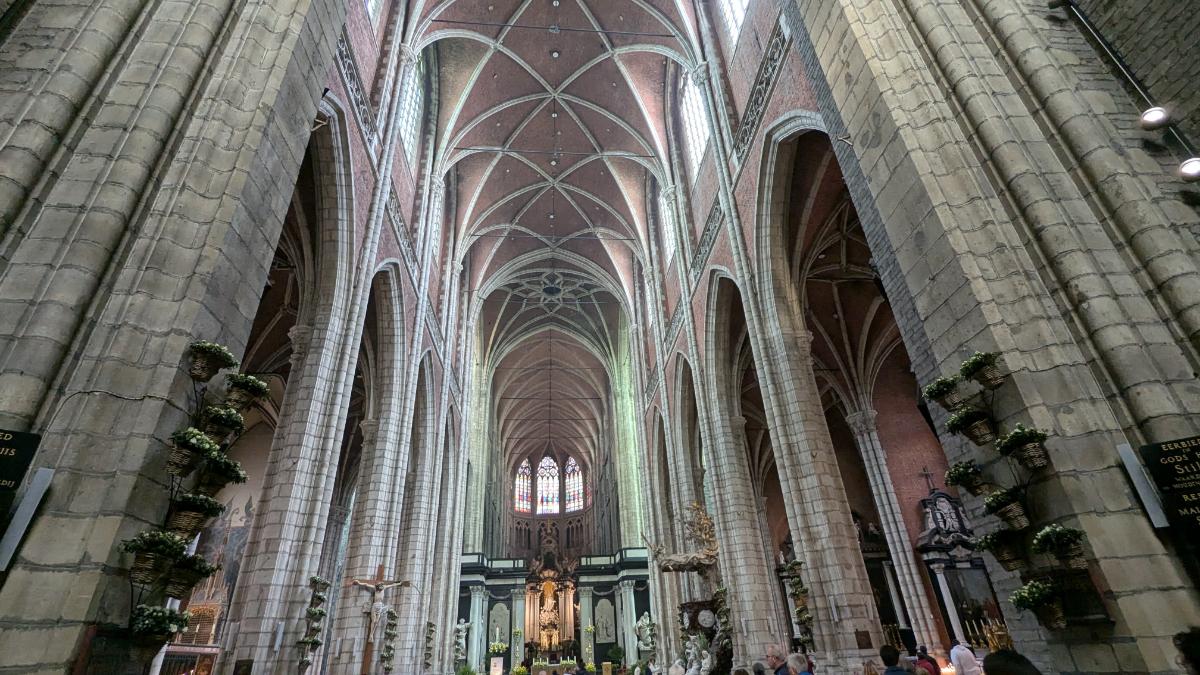
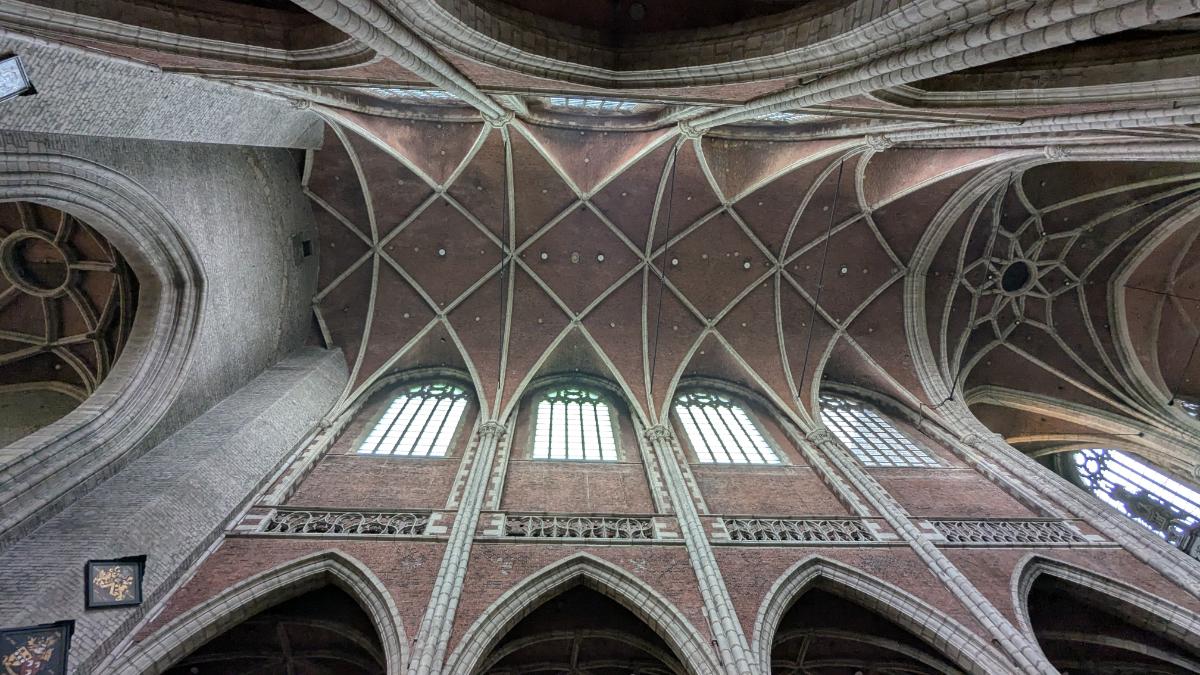
Ever since a virtual reality experience of van Goghs life I gave up on my traditional old fashioned believes where art and technology live separate lives. I just gave in, and I was not disappointed.
The Augmented Reality, (AR) is a technology applying a virtual holographic layer on top of the real world. Using a AR device, 3D figures appear and merge with the real environment. So unlike Virtual Reality (VR), with AR you can still see the real world around you.
During the tour and walking through the crypt, you are guided by the 15 century bishop who is narrating the historical background of the church building and its evolution through centuries.
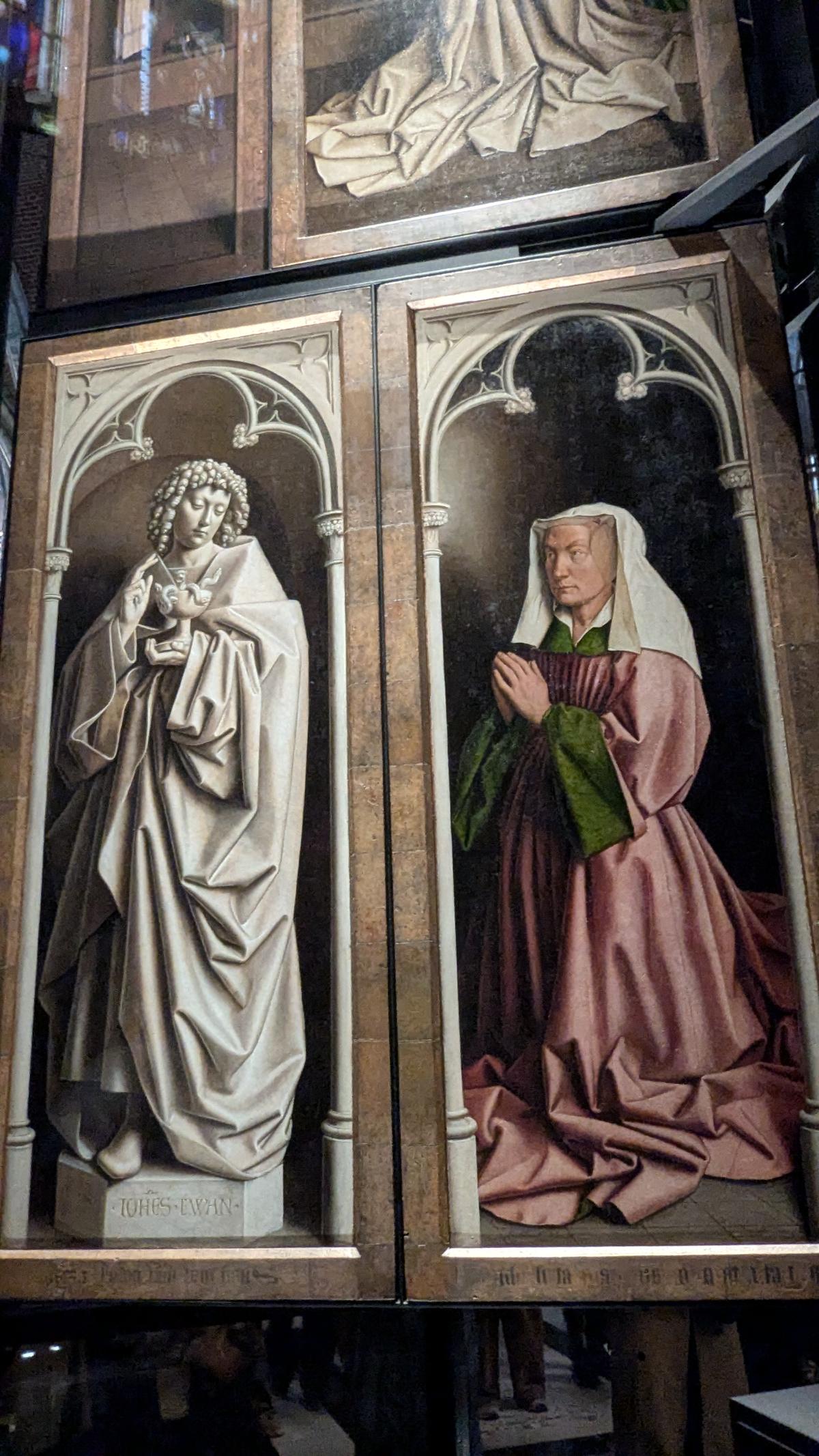
The Ghent altarpiece was commissioned by a wealthy merchant Joos Vijd and his wife who wanted to secure their after life positions, by donating this magnificent work of art.
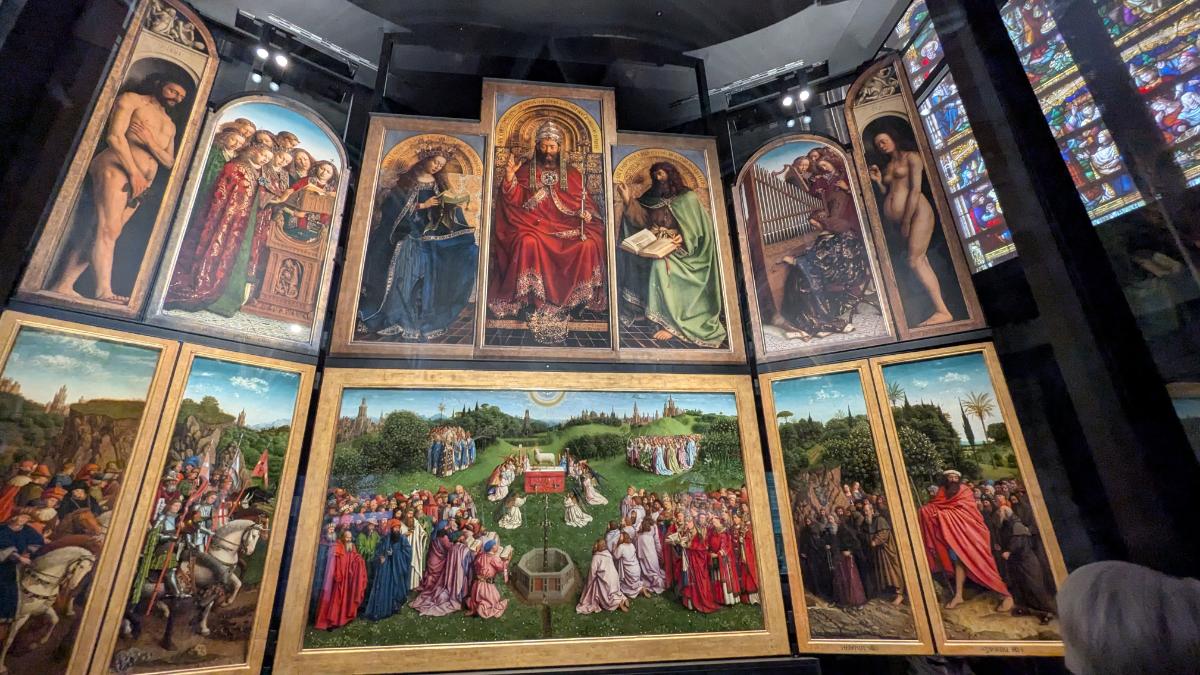
More than a hundred characters, painted on 20 panels depicts the central story of Christian salvation.
The altarpiece follows the traditional medieval practice of polyptychs that worked as visual “story machines.” Since they were combined of several pieces they were meant to be opened on special days and closed early and later in the day, or during ordinary days.
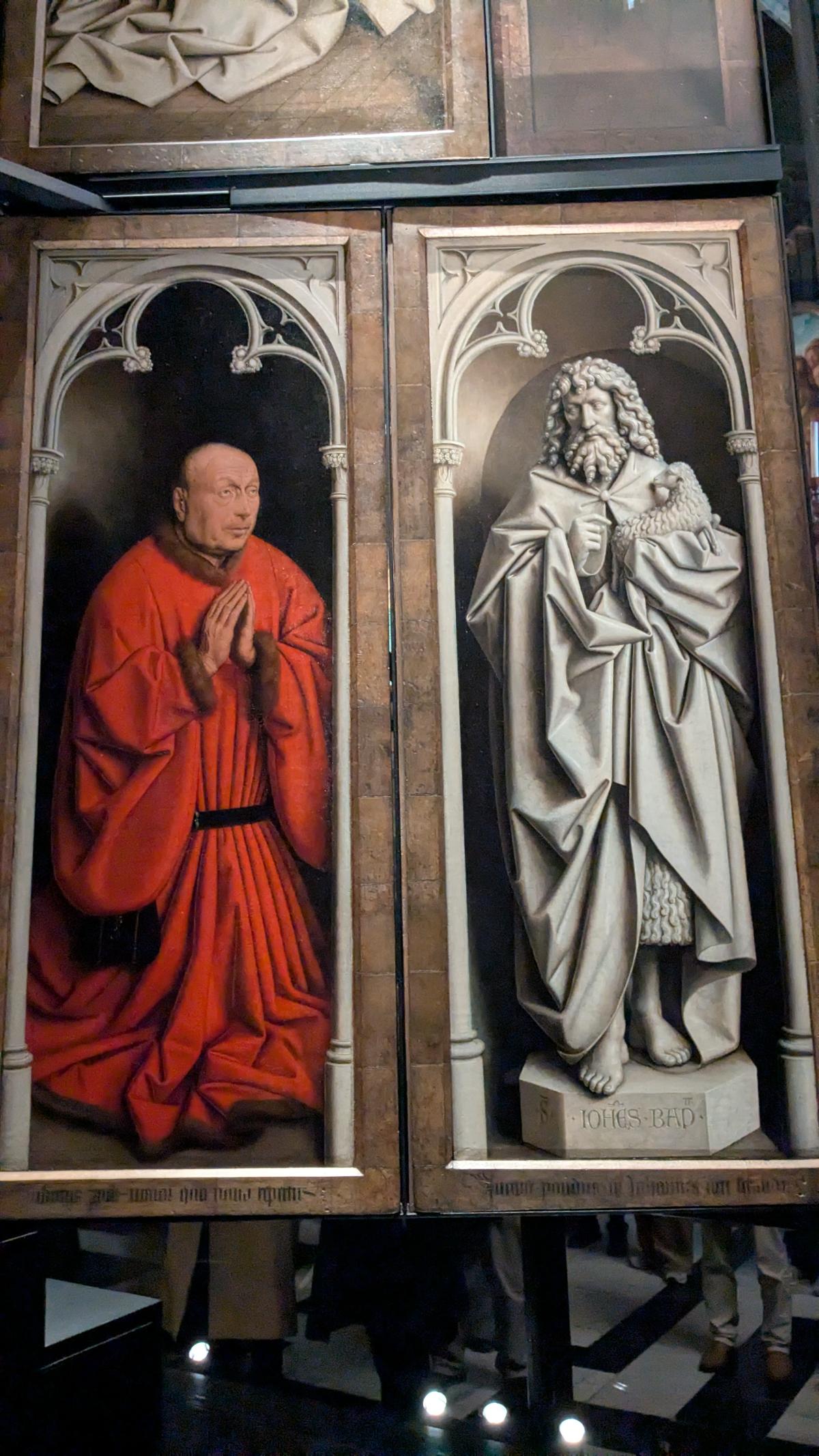
The altarpiece has been moved several times over the centuries and it has been a victim to more than dozen crimes or thefts since its creation.
The most famous or known, thanks to the Hollywood production is portrayed in the 2014 movie The Monument Man, starting George Clooney and Matt Damon. The movie based on real, historical events follows an Allied group from the Monuments, Fine Arts, and Archives program. The main task for the group was to find and save pieces of art and other culturally important items before Nazis decide to destroy or confiscate it during the war.
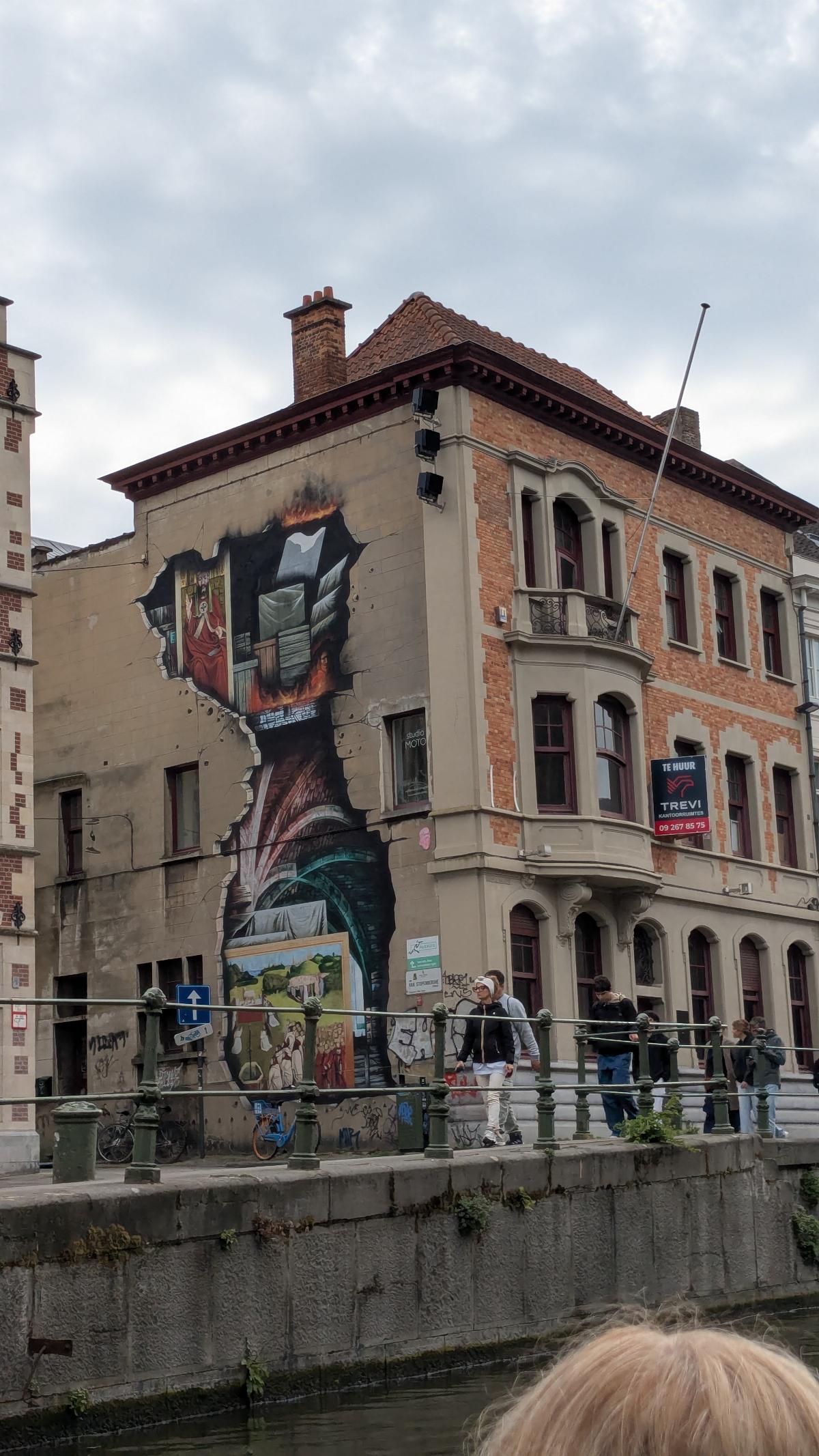
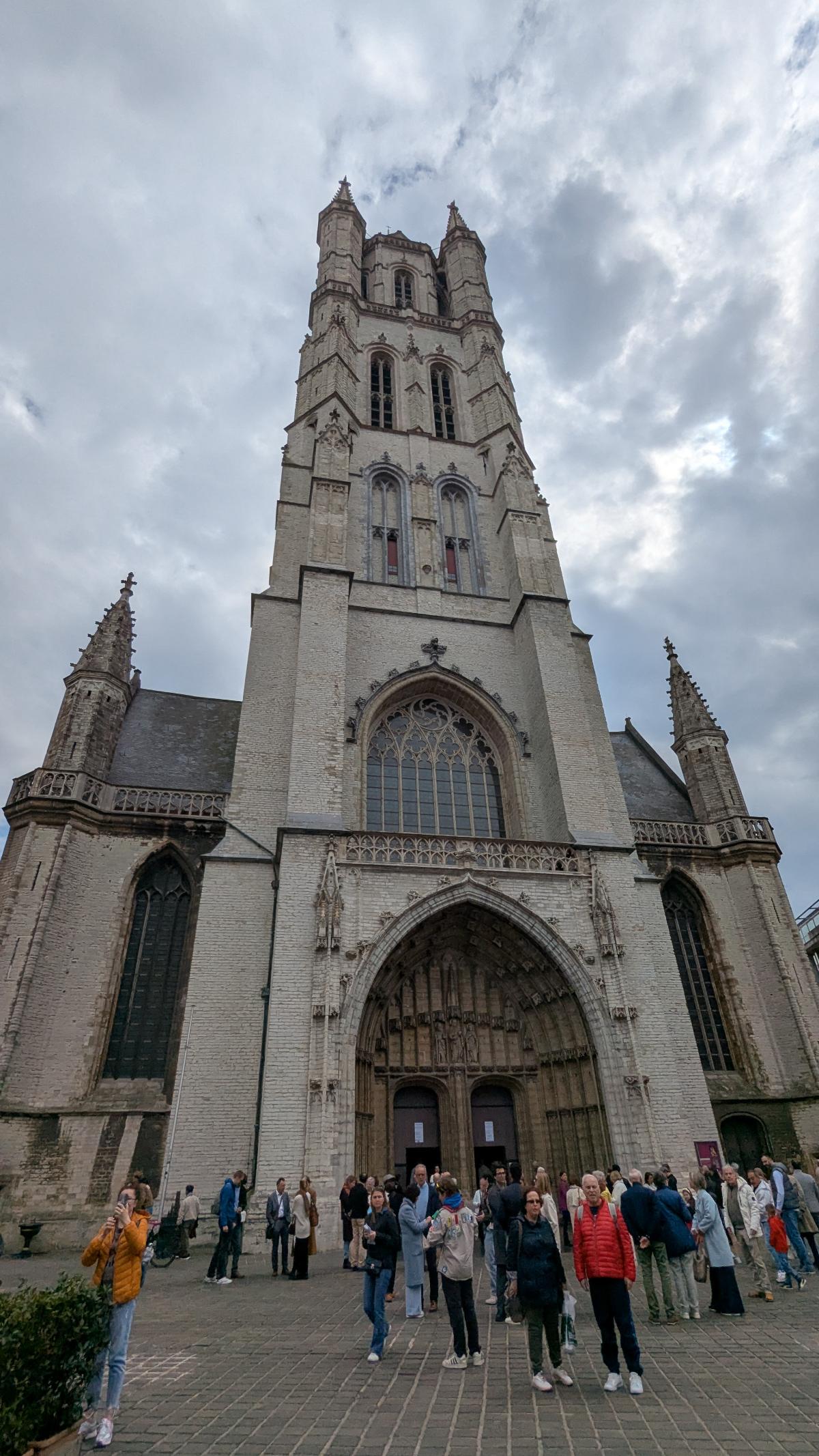
Parts of the movie, mentioning stolen Ghent altarpieces, at the beginning of the war, and later stored in the salt mines in Austria, was actually filmed, and later forever kept on a wall mural in Ghent.
BRUSSELS
Although the capital and major hub of Belgium, no to mention its de facto role as the capital of EU, Brussels was not our hype. At the beginning of planning the trip I remember we considered the idea of being located in Brussels with day trips to Brugge and Ghent, but I don’t recall why we dropped it. But I am glad that we did.
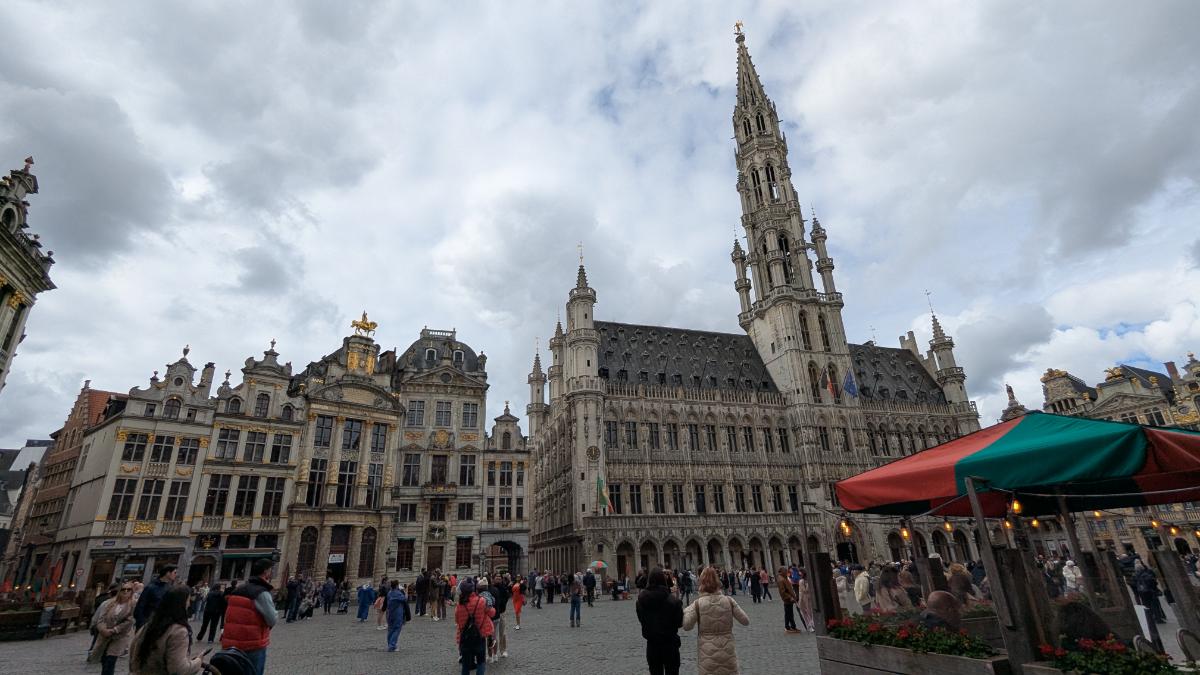
Too loud, too big, dirty and overcrowded it was perfect for arrival and departure and a short lunch break.
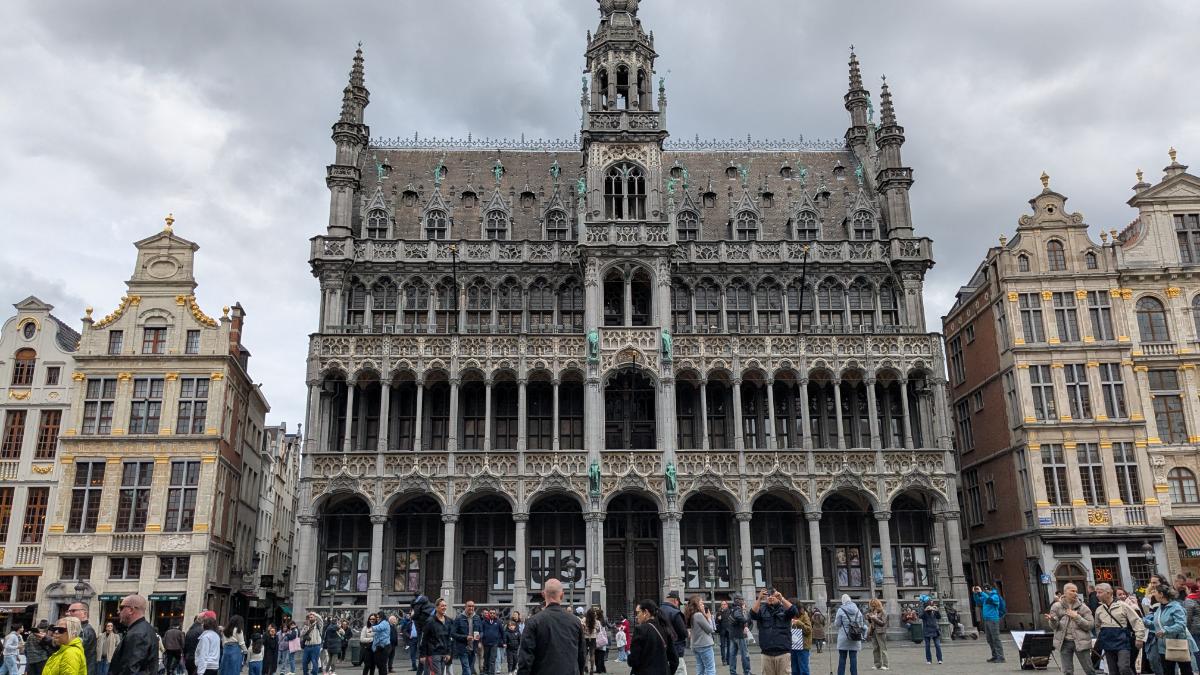
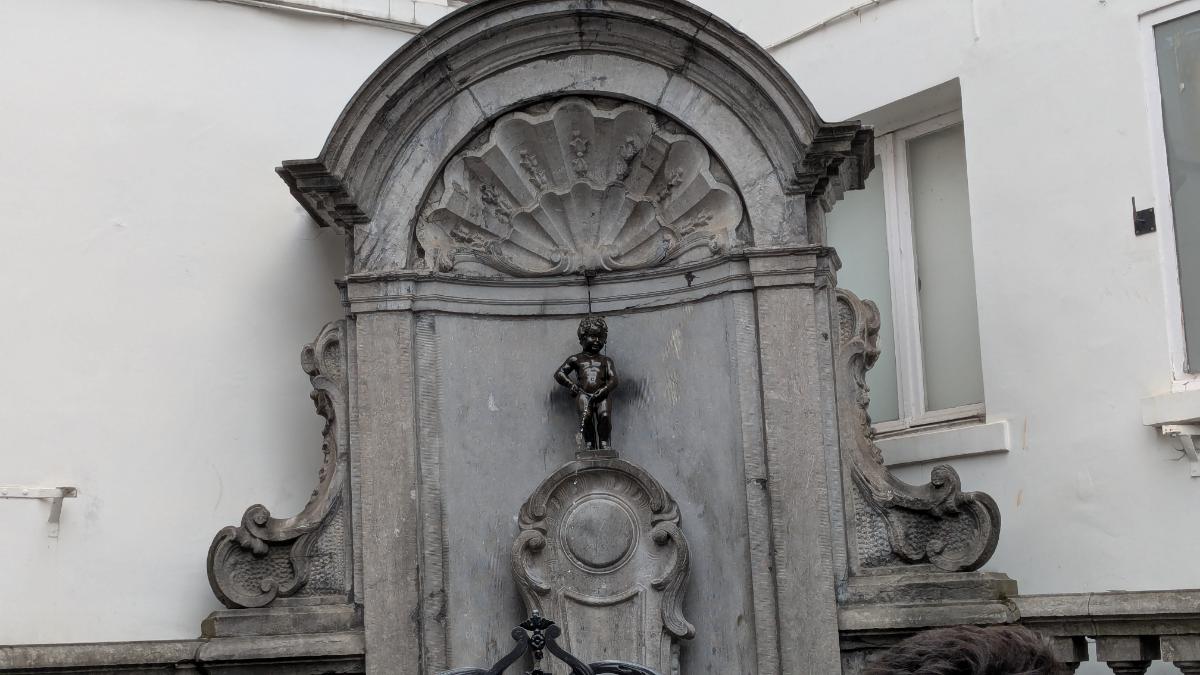
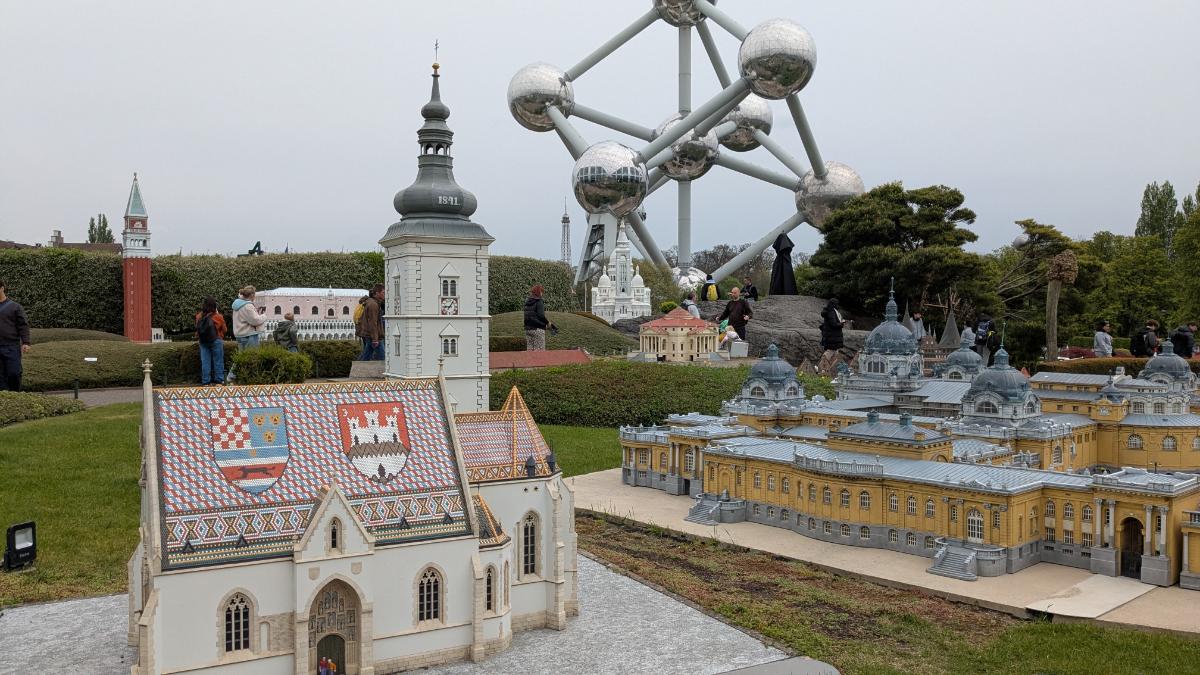
The only thing worth visiting in Brussels, according our parental experience is the Mini Europe park.
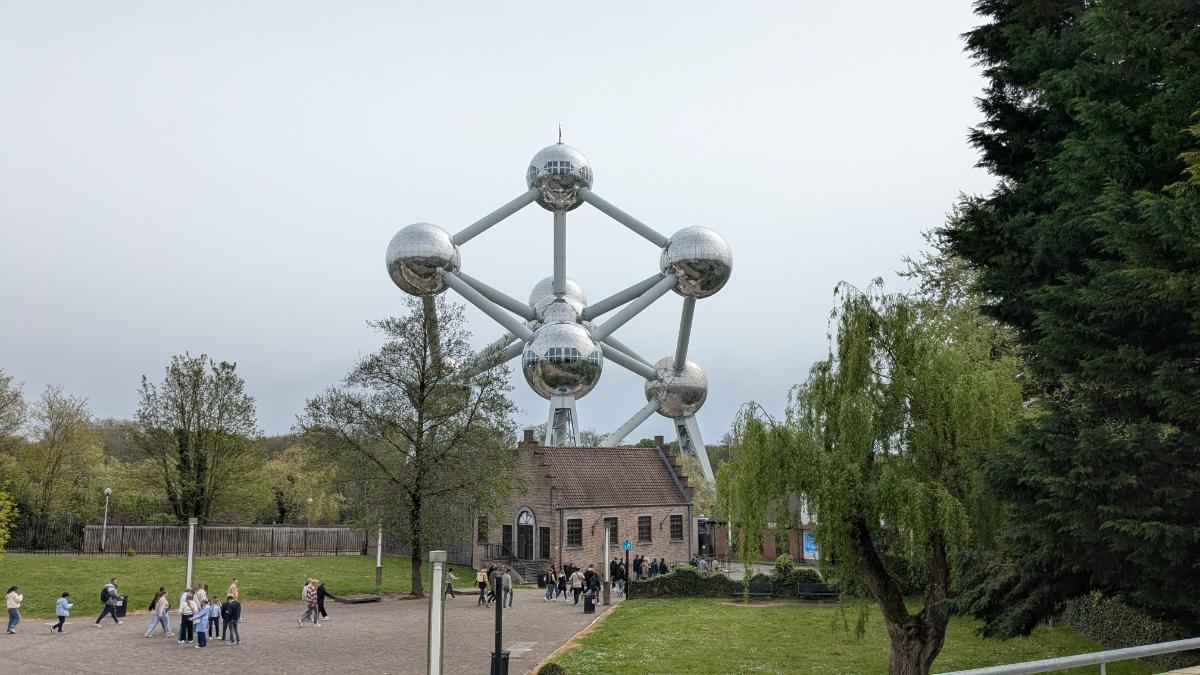
At the foot of much more famous Atomium, lays entertainment park with reproductions of monuments in the European Union and other countries. Around 80 cities and 350 buildings at the scale of 1:25 in total are on display.
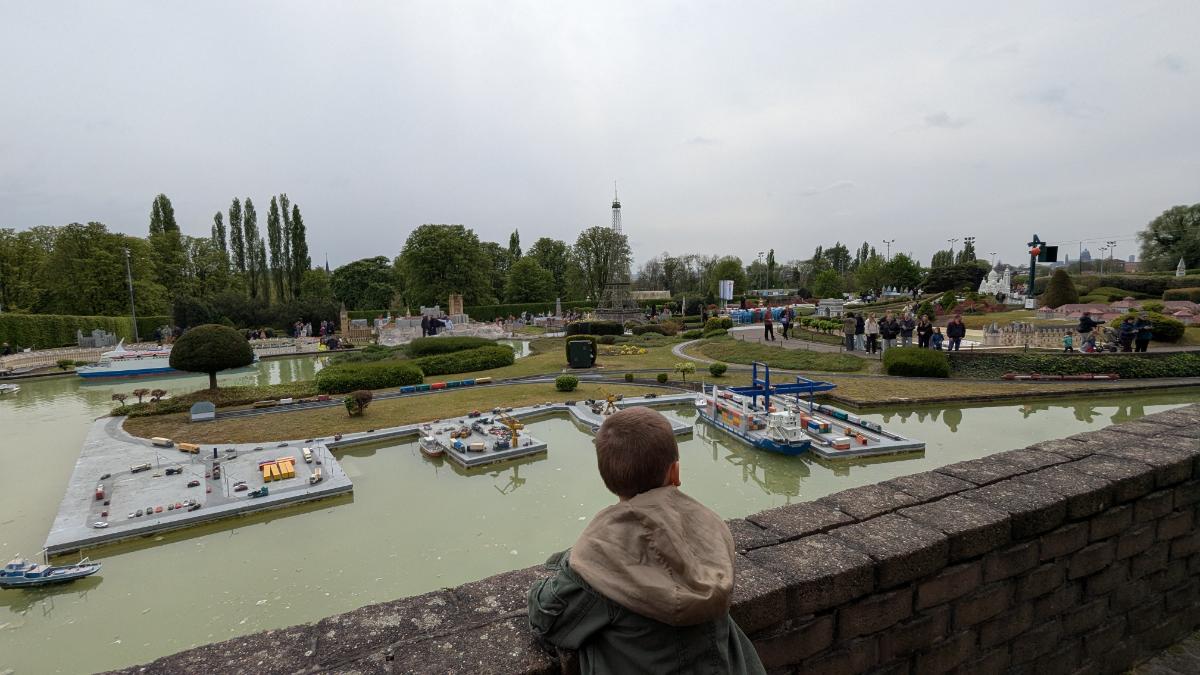
The area surrounding countries and monumental buildings is connected with mini pathways, river streams and railway.
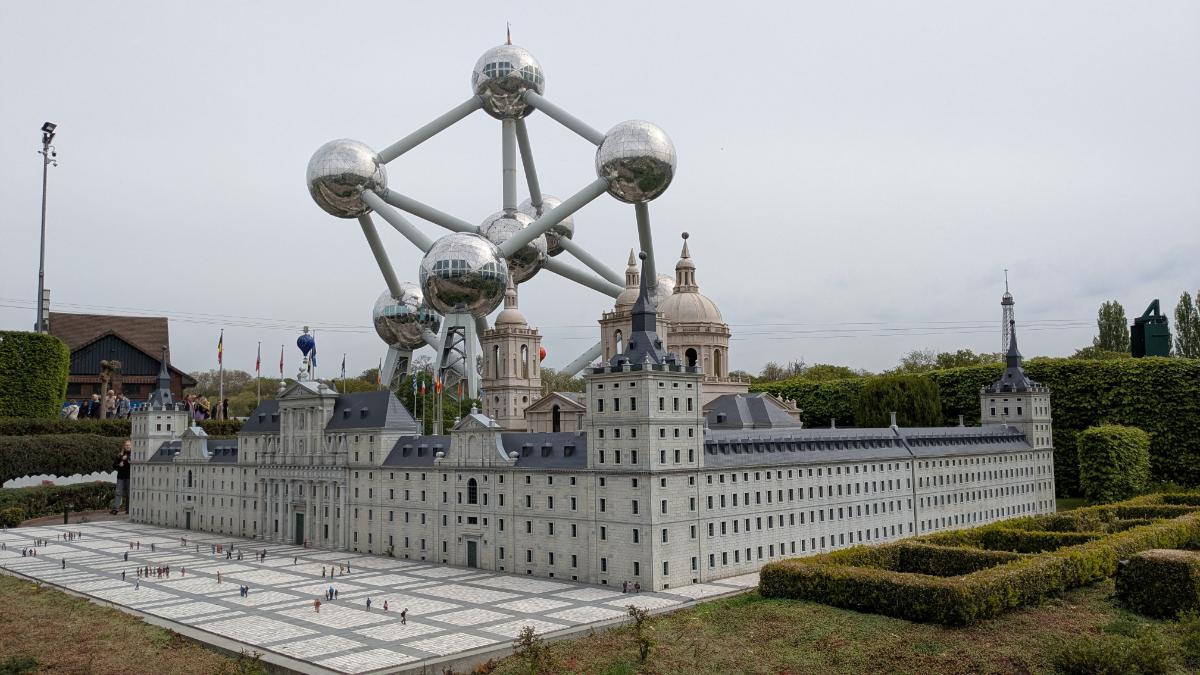
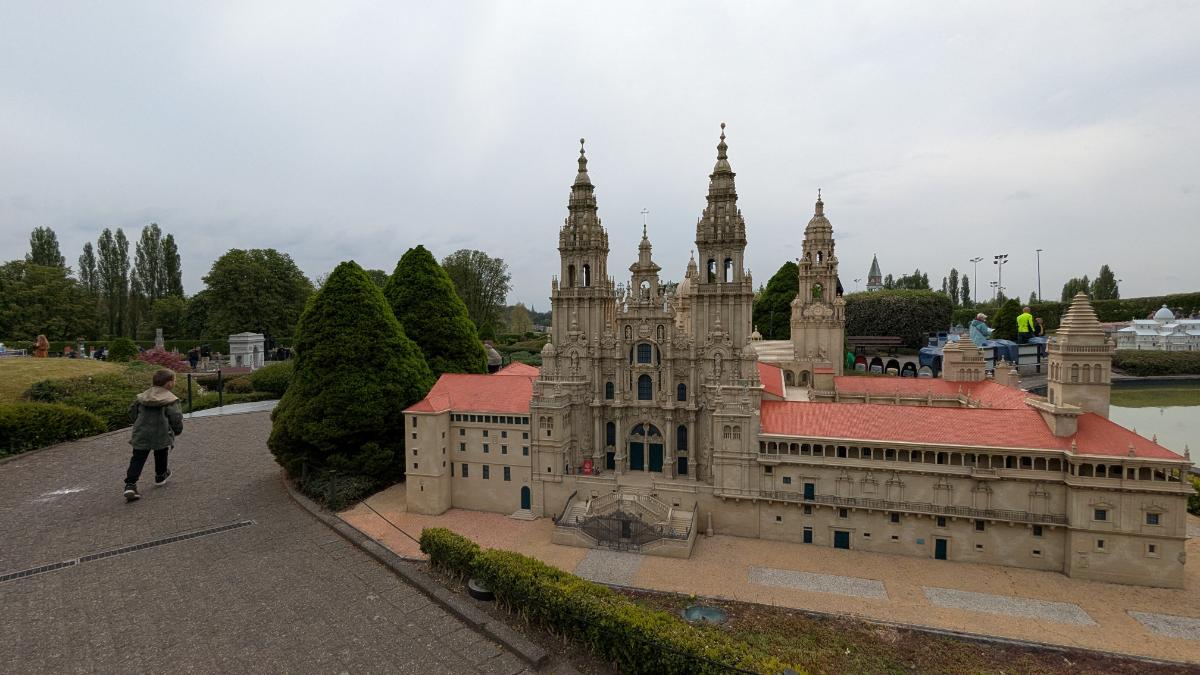
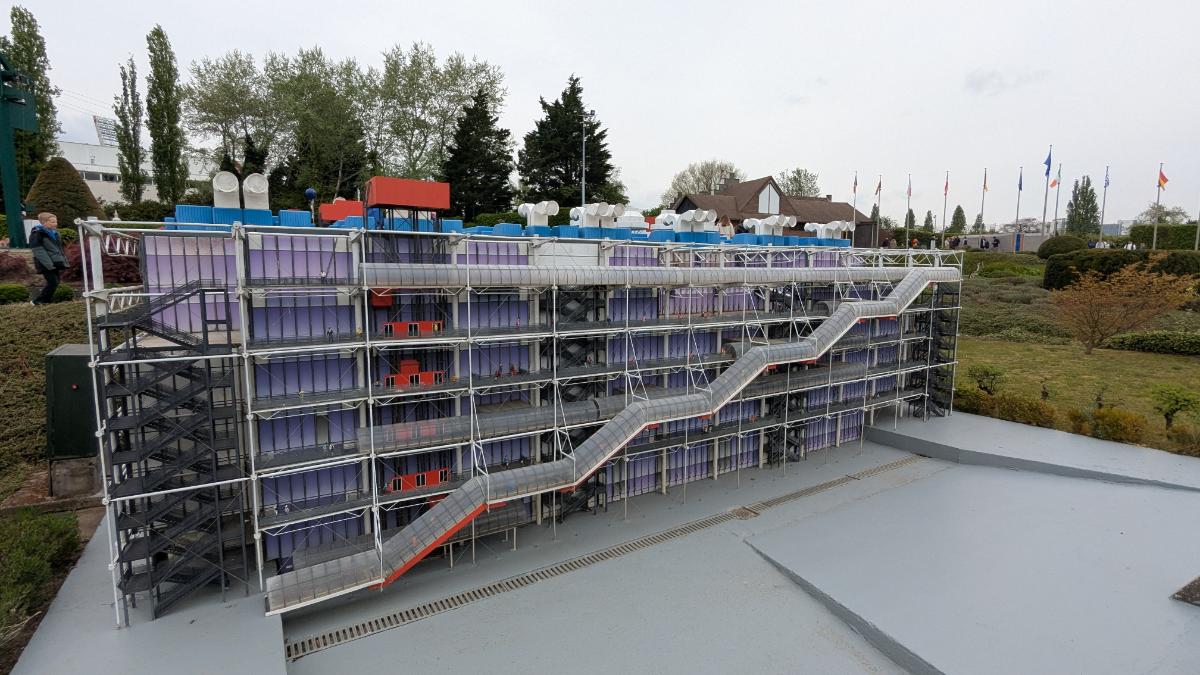
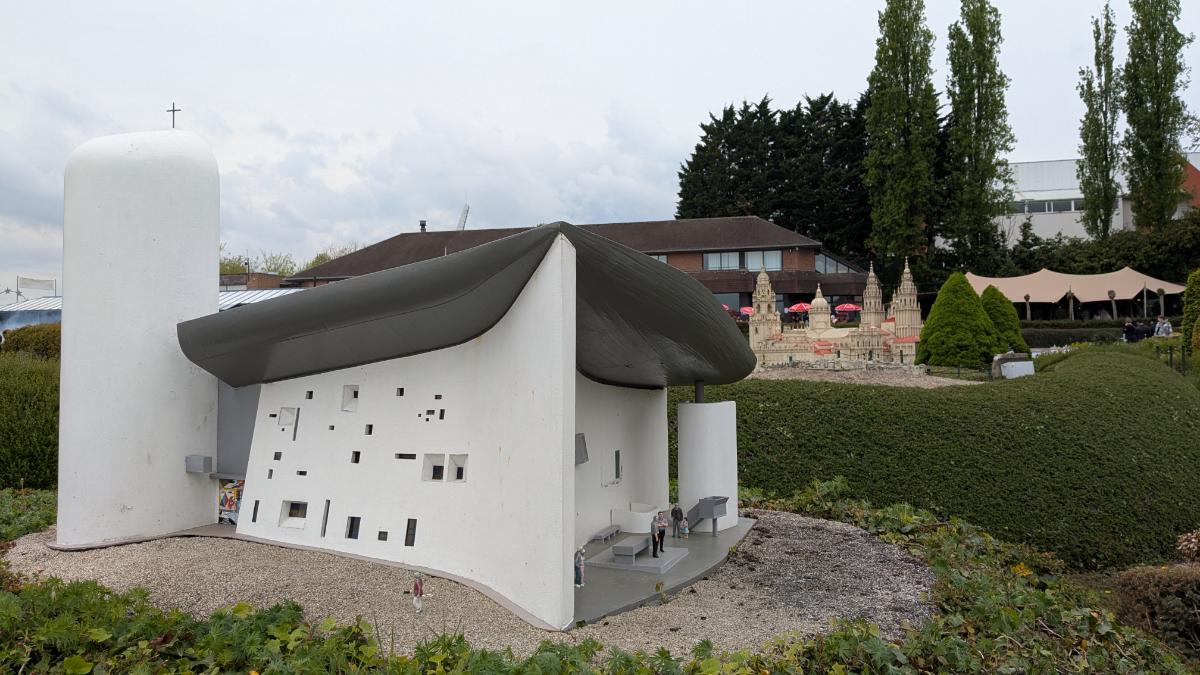
The park is visited by around 350 00 visitors yearly, and is a great place for both kinds and adult likes 😊
Spending several hours with a kid interested in anything that is moving, and my appreciation for architecture is definitely worth the 40 euros entrance fee. M was still below the height based fare, so his ticket was free of charge. Win win!