Tourism has been a big part of my professional development. During university studies in Zgb, I have completed the tour leader course and I have been working as a freelance tour leader for children and a local tour guide for the adults. Not a big difference at all, except the adults were allowed to taste alcohol while guiding food tours in Oslo
After a while of freelancing, and becoming a mother I needed more stability and prediction in my life, which meant finding a steady job. No easy. Not easy even if you are fresh out of college, especially not easy if you don’t master the language perfectly and have experience from other fields. In order to land some office job, 8-16, within tourism I have stumbled upon adult education. Decided to get a student loan and get back to school for a year. Best decision in a long time.
Reiselivskoordinator educational direction covered different theory topics within travel industry adding two field trips during the year.
One trip was dedicated to discovering Norway and the other was mandatory travel outside the country.
Given the fact one of our student colleagues was working as tour guiding company in Spain, we were encouraged to discover a bit more on what they do and where they take Norwegian guests.
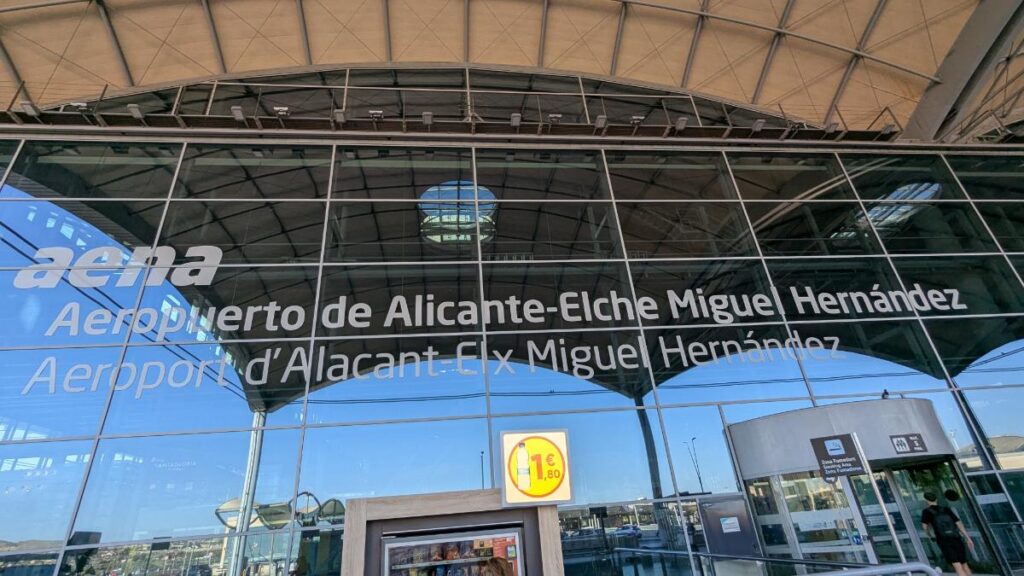
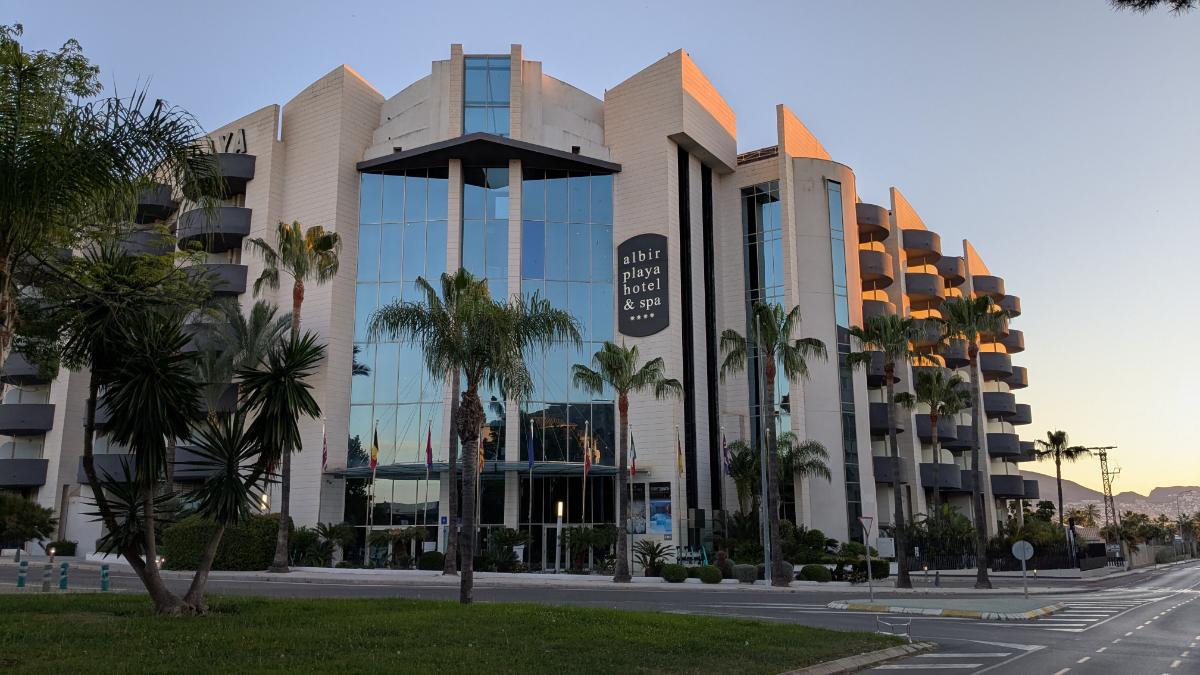
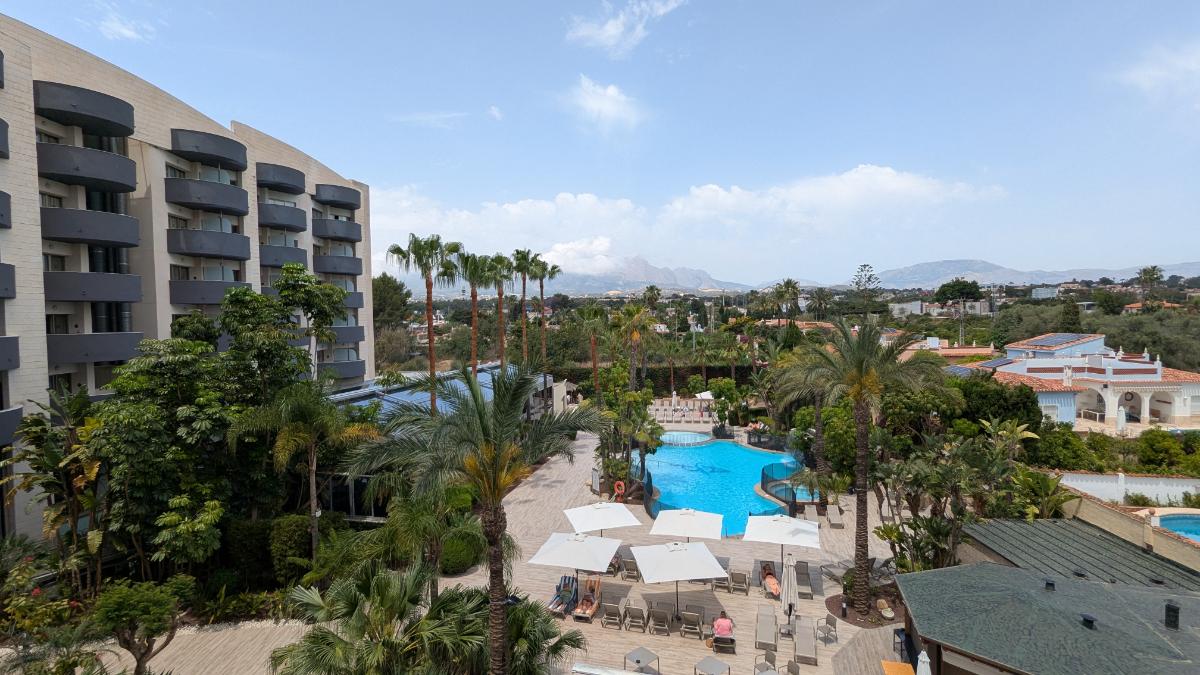
Arrival and departure airport was Alicante, from where we had a short drive to L’Albir, that was our home for next couple of days. The students were sharing rooms in a fantastic Albir Playa Hotel & Spa, just short walk from the center of the town and the beach.
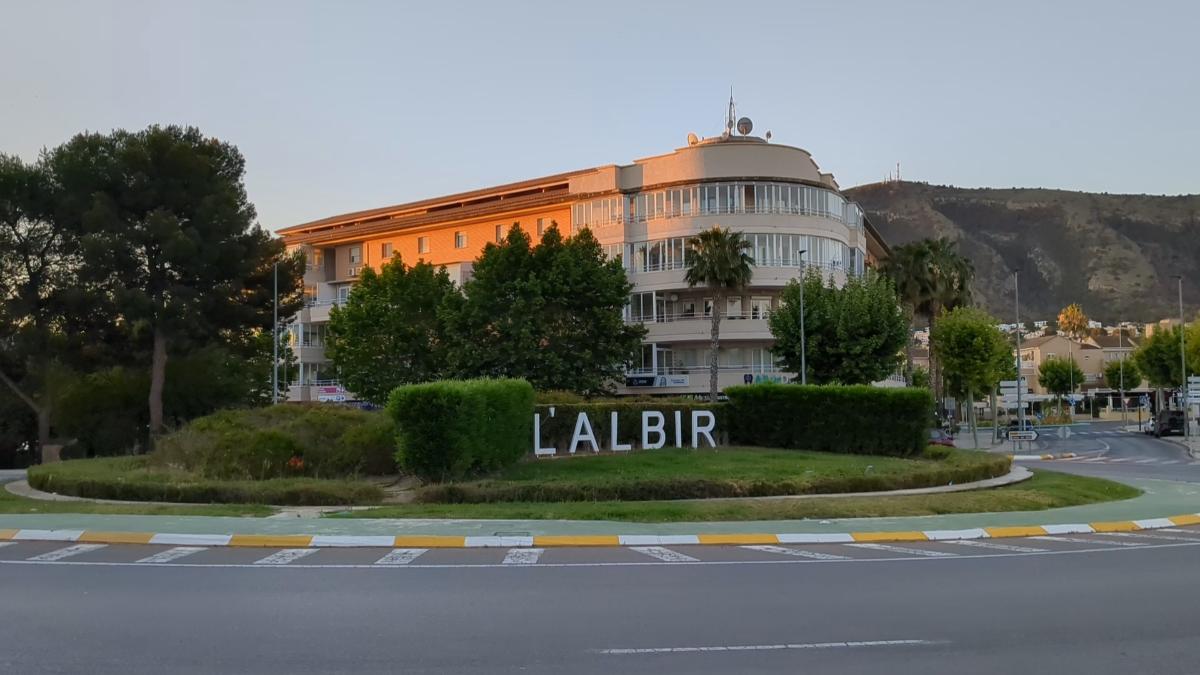
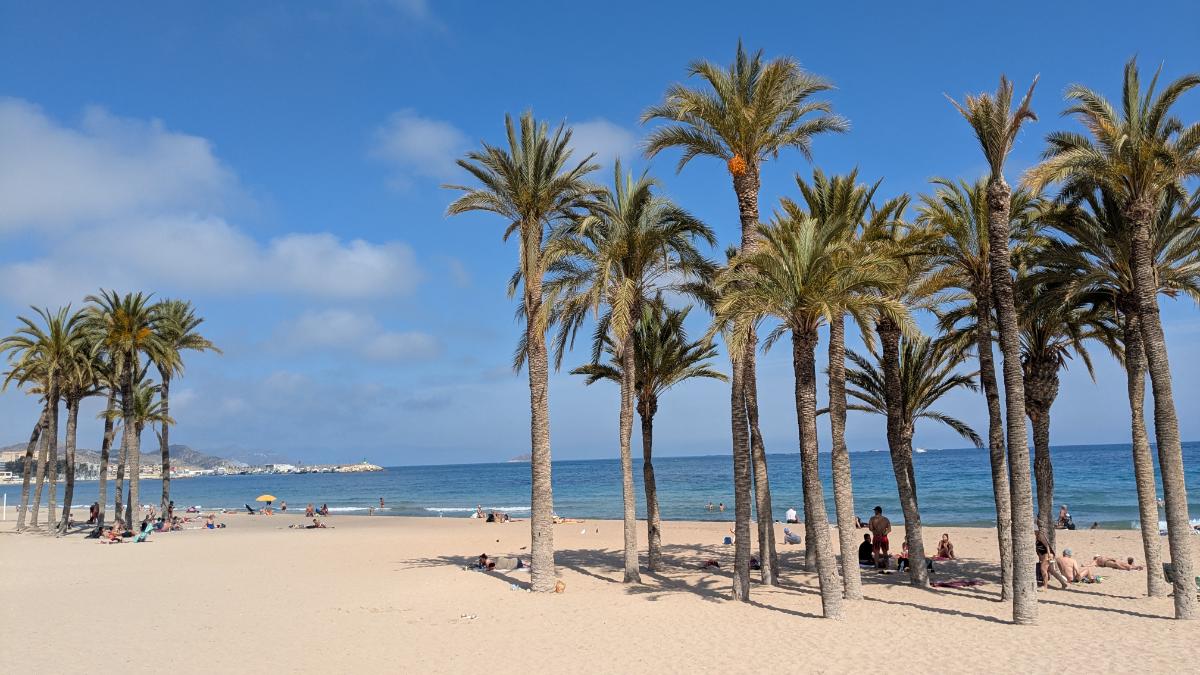
L’Albir is popular, tranquil seaside resort on Spain’s Costa Blanca. Very much beloved by the Norwegians that actually helped build the coastal infrastructure by frequent visits and eventually purchasing holiday or forever homes.
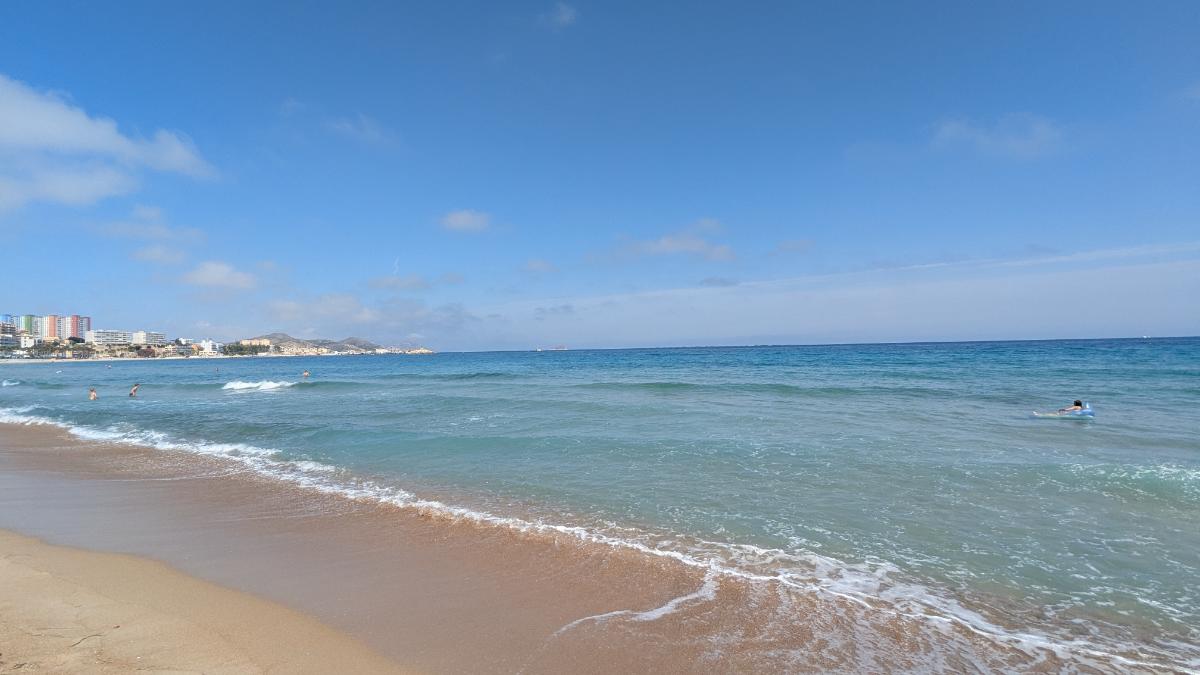
Many Scandinavians, especially Norwegians and Swedes, have settled in Albir and neighboring Alfaz del creating a community where you often hear more Norwegian, Swedish and Danish than Spanish, and where many local businesses offer Scandinavian services. The area is filled with Scandinavian-run restaurants, shops, institutions and even the Norwegian school, which together make the town widely known as “Little Norway”. Although the city maintains a Spanish core, its atmosphere is unmistakably shaped by a strong Scandinavian cultural influence.
As the train / bus network is quite decent From we visited several cities / towns in the area, starting with La Vila Joiosa a cute coastal colorful seaside town know for its chocolate production.

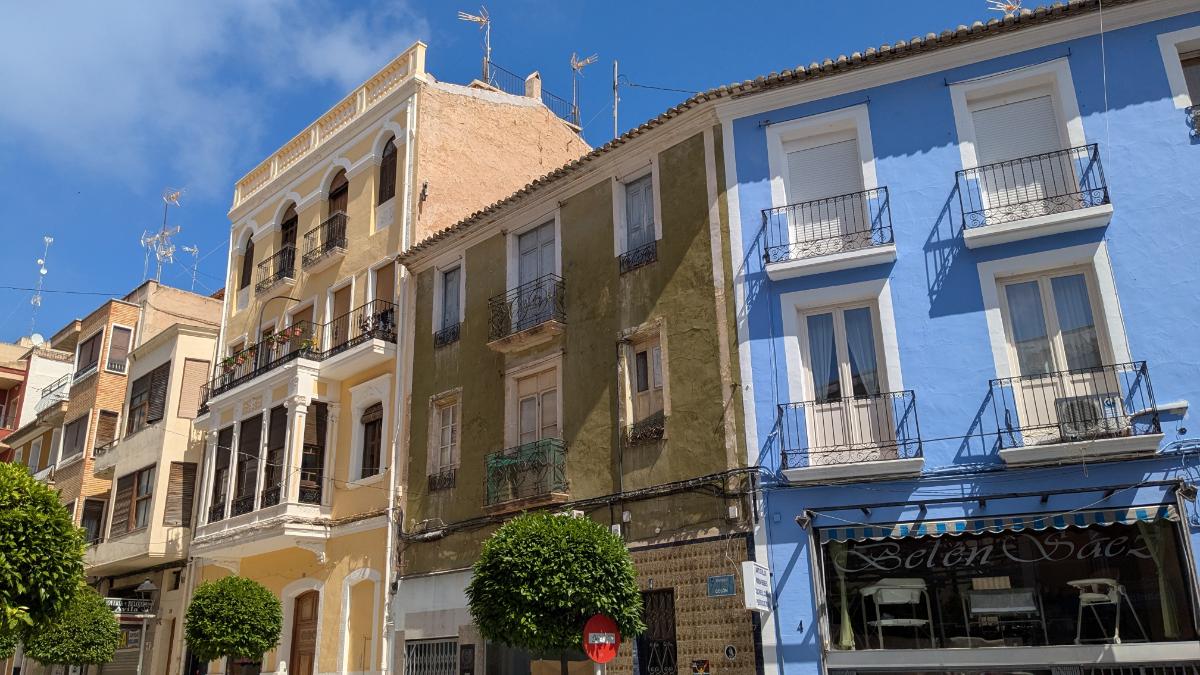
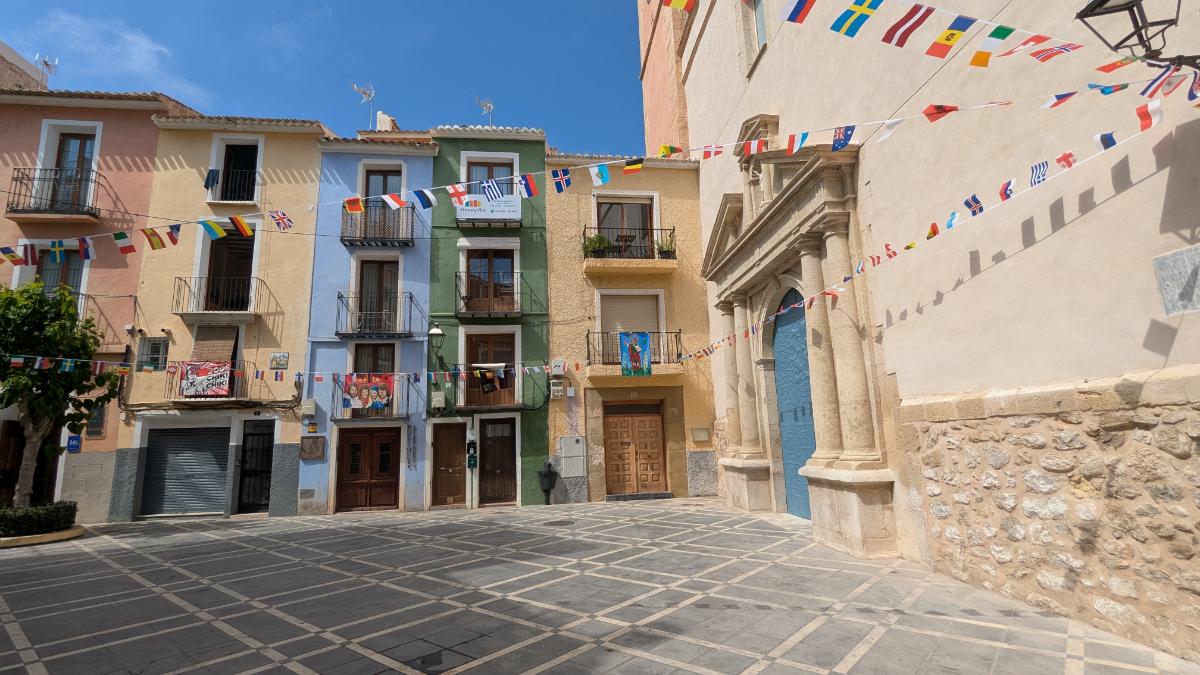
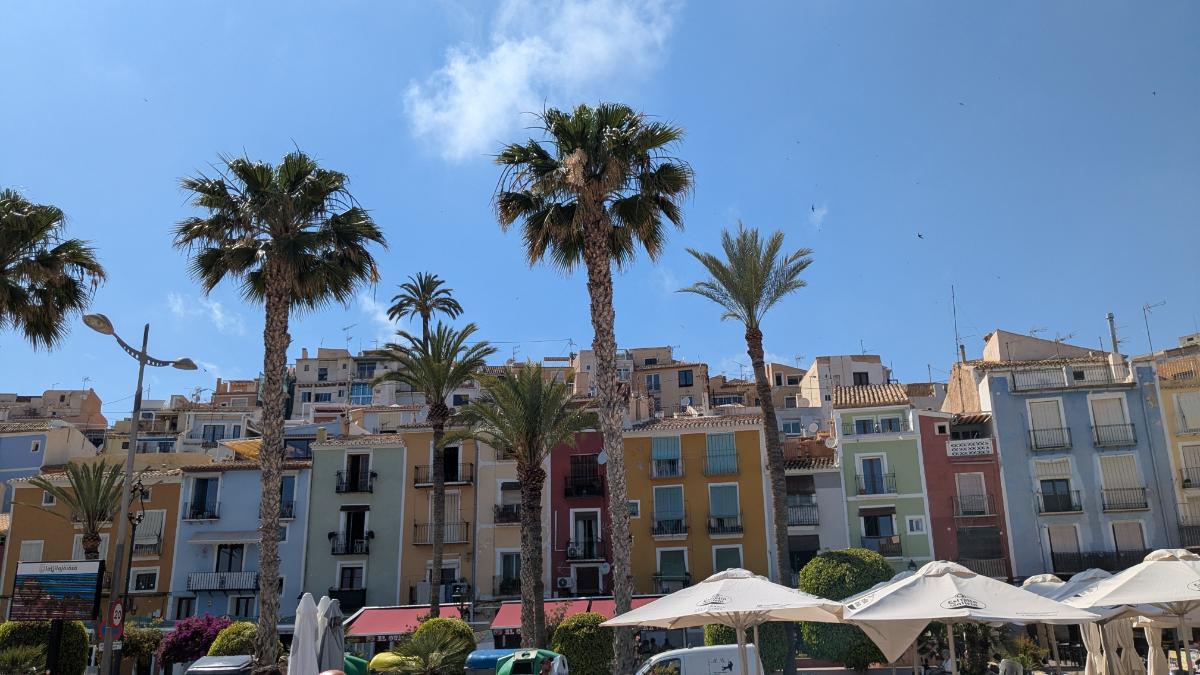
The well known Valor company began its history in Villajoyosa in 1962 although the family had previously made chocolate in other areas of the region. Making of the chocolate in the region already began in the early 1800s. The two basic raw ingredients, cacao beans and sugar, were easily imported from the Spanish colonies in central and south America via the port of La Vila. In the beginning, chocolate was a drink, and it took some time for the chocolate bars to become part of our (daily) life.
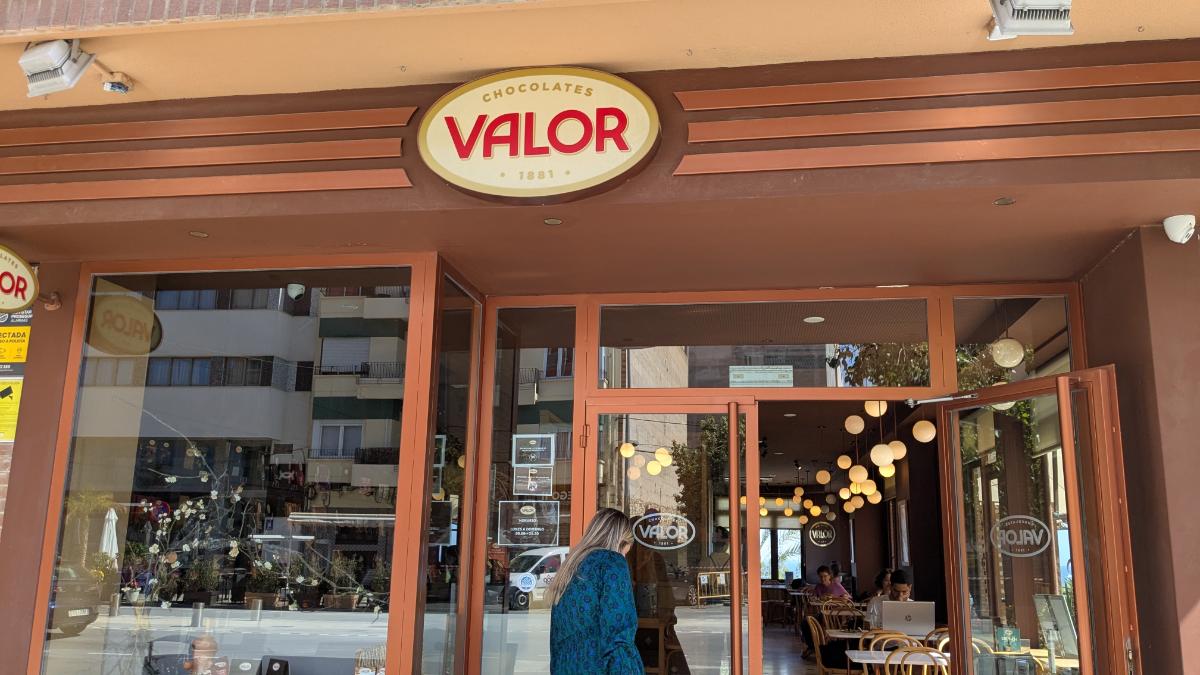
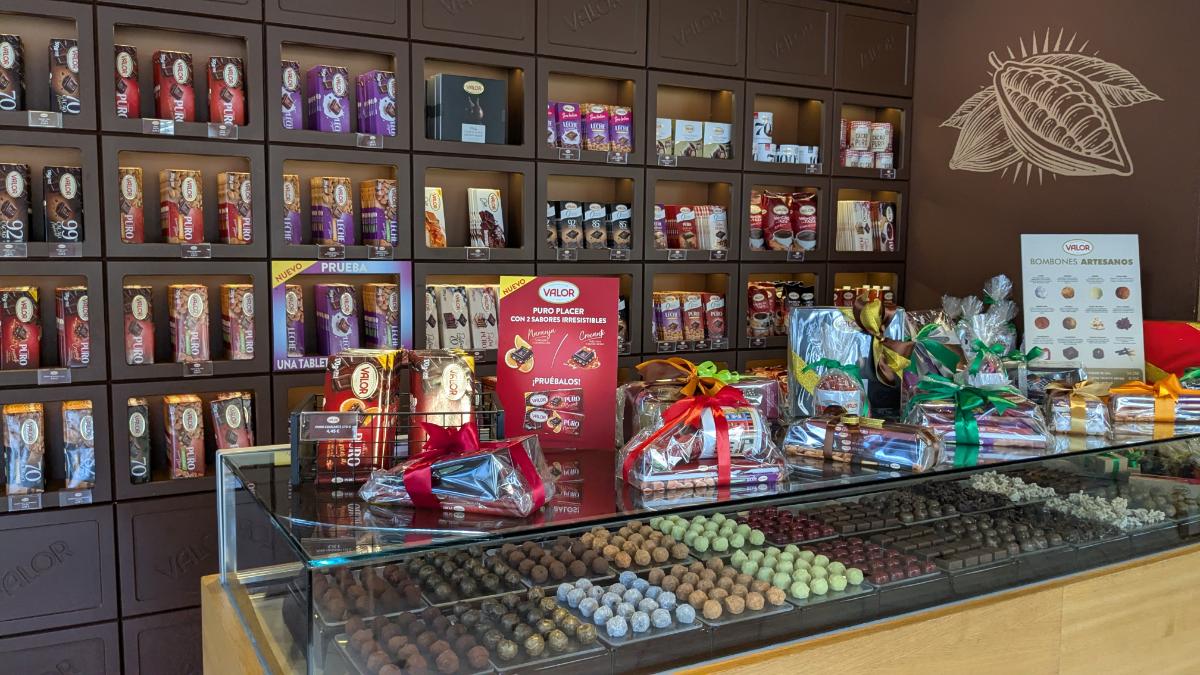
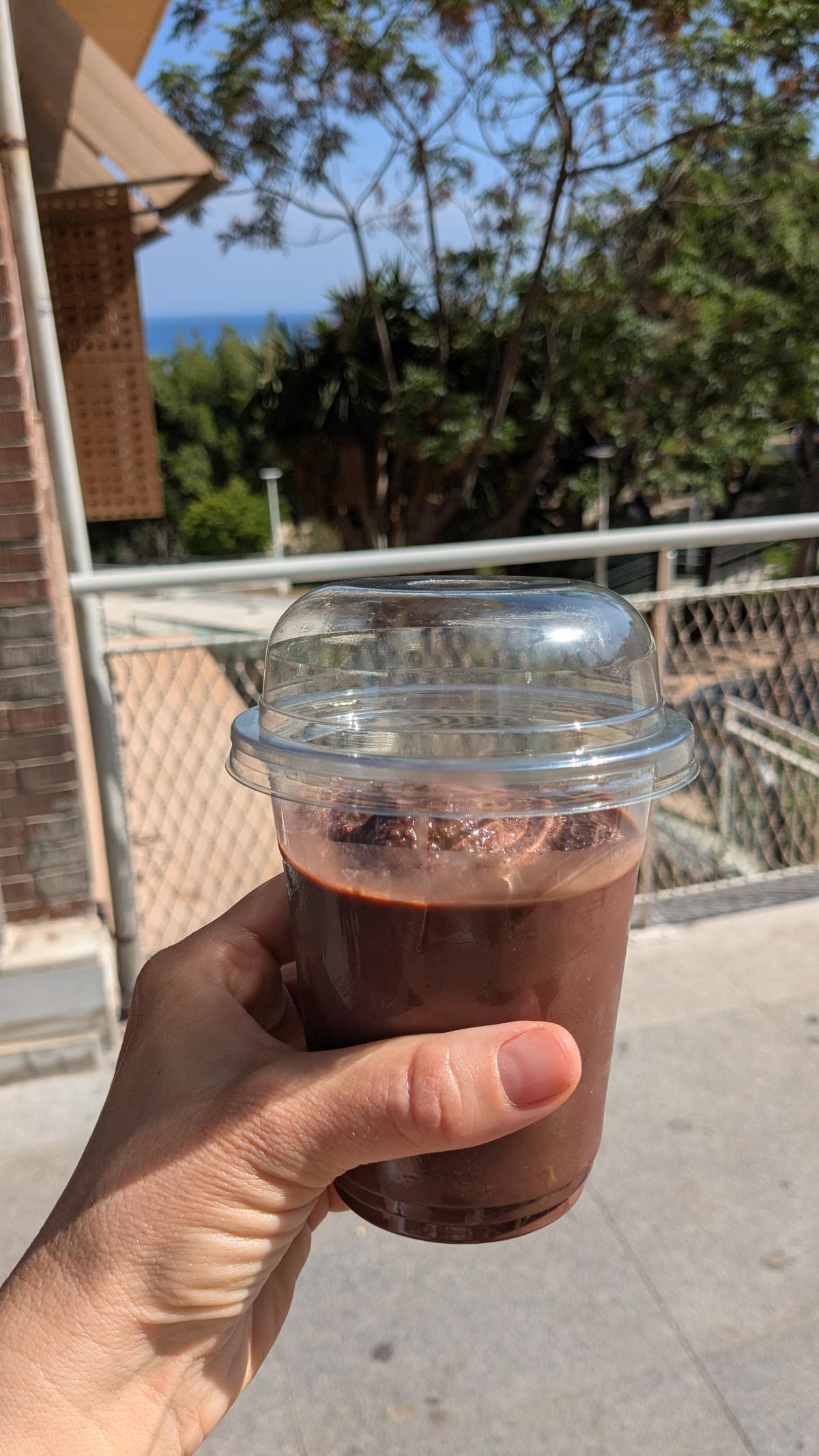
Today the company produce about 23,000 tonnes of chocolate a year, so it’s big business and I decided to try bit of it, climbing the stairs from the beach to get some warm chocolate with crispy churros. It was worth the climb.
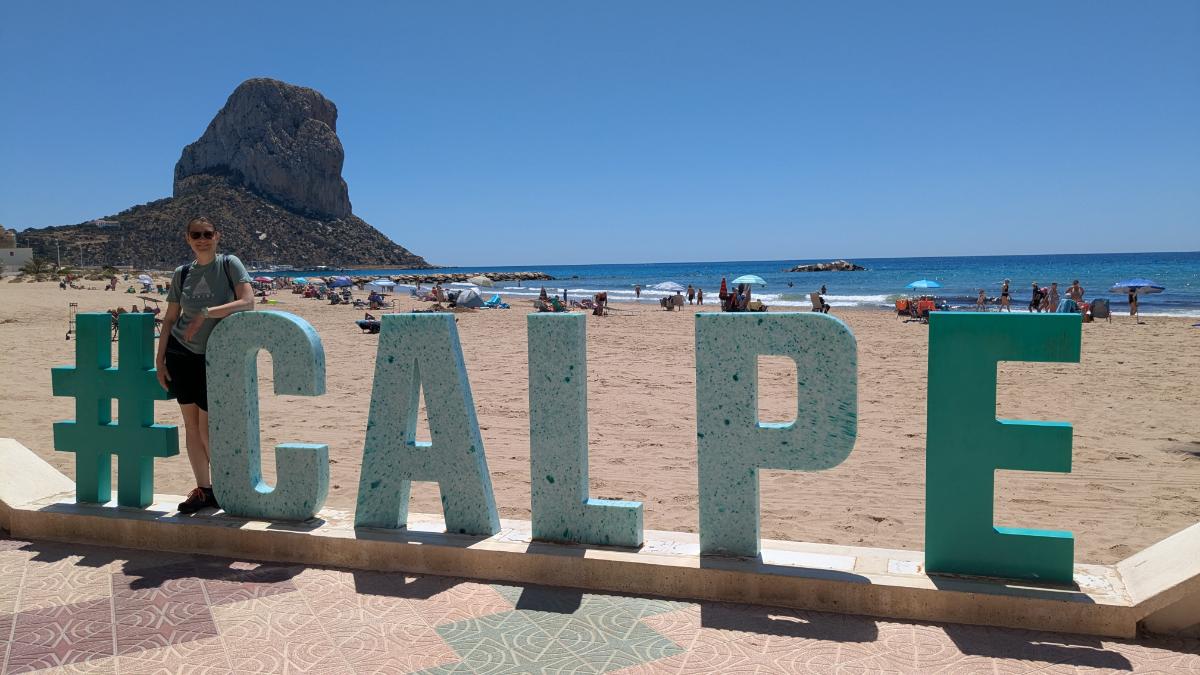
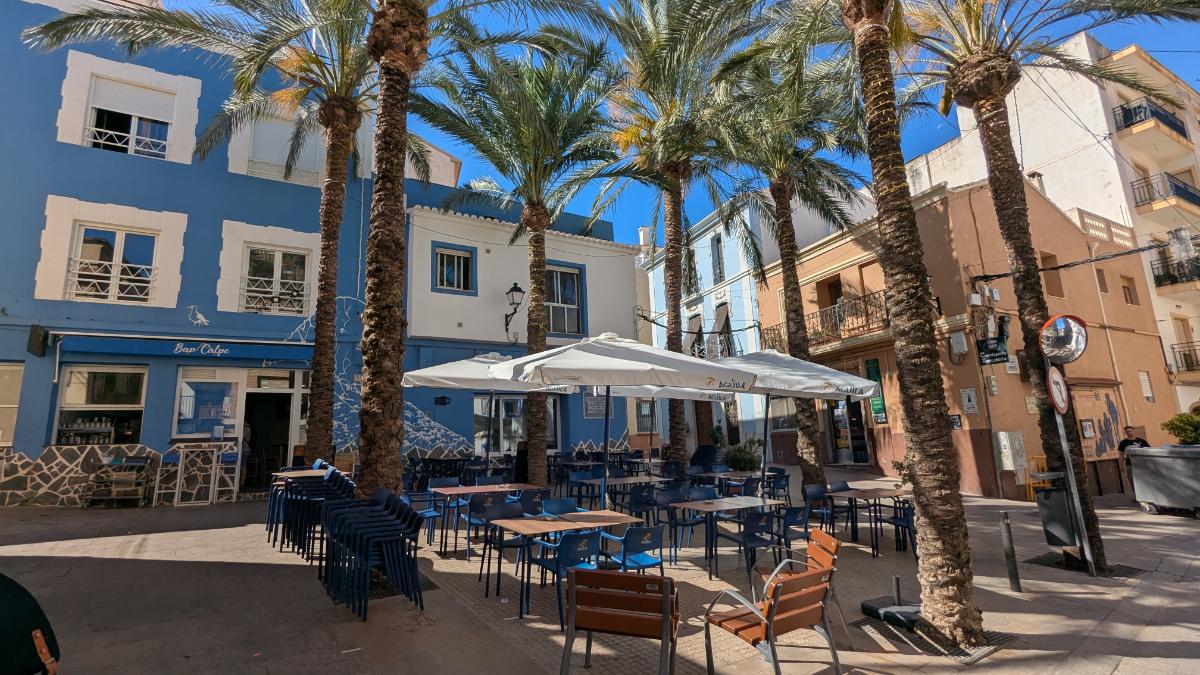
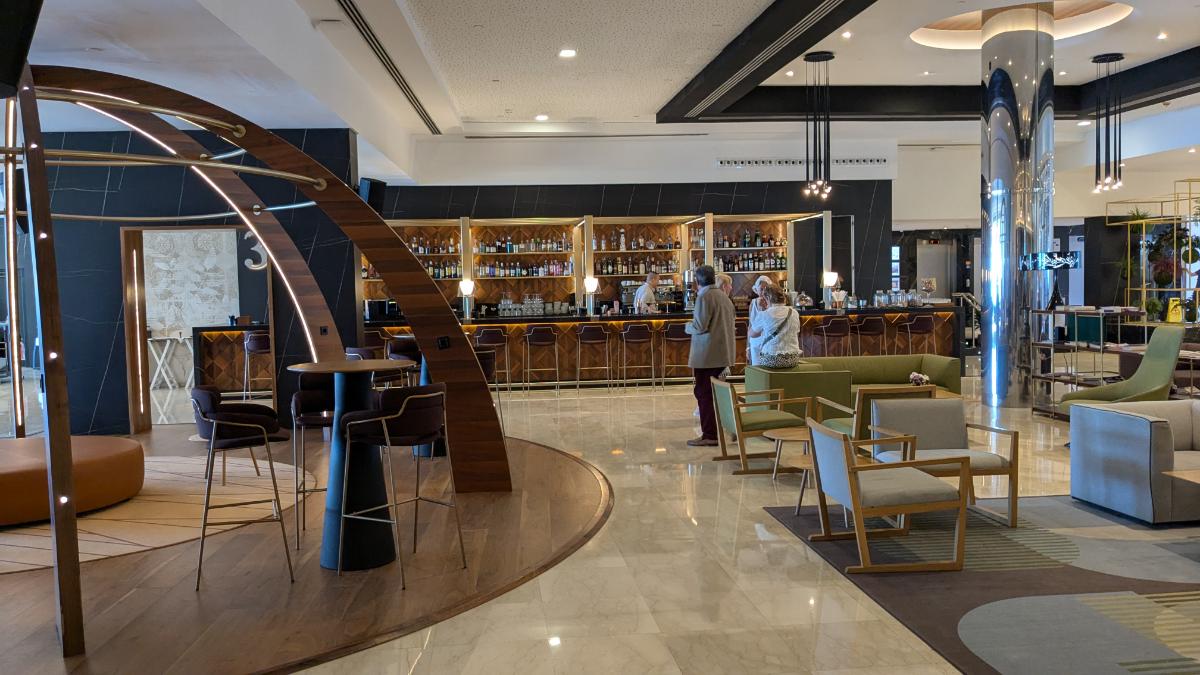
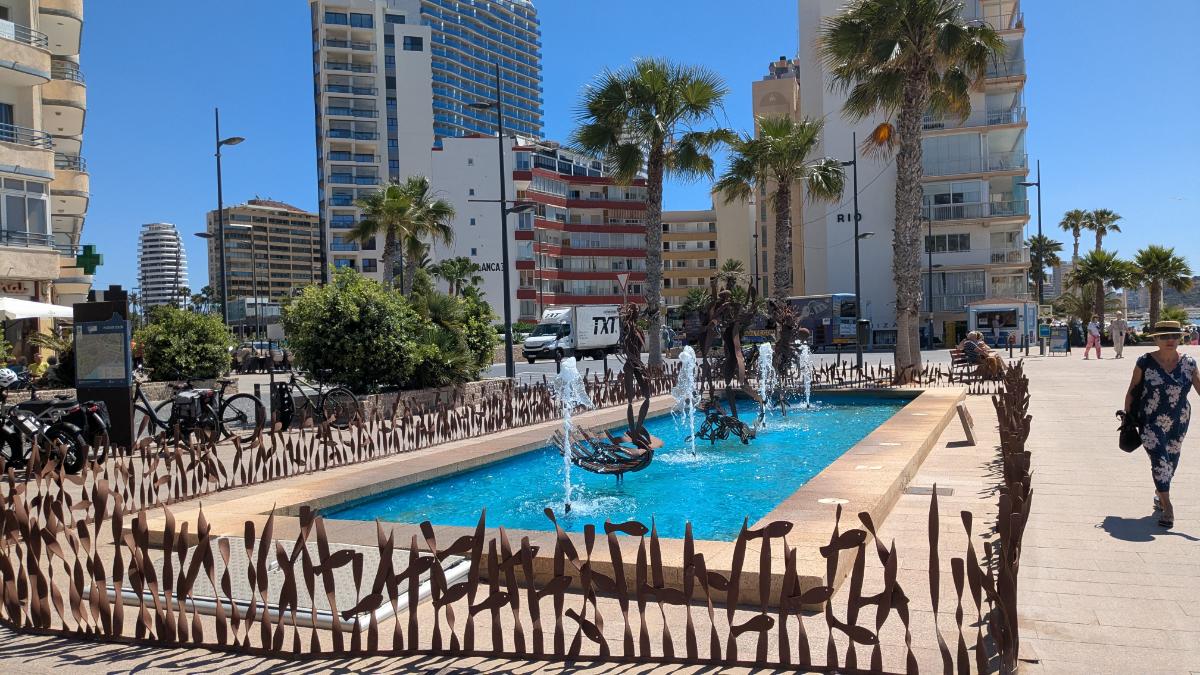
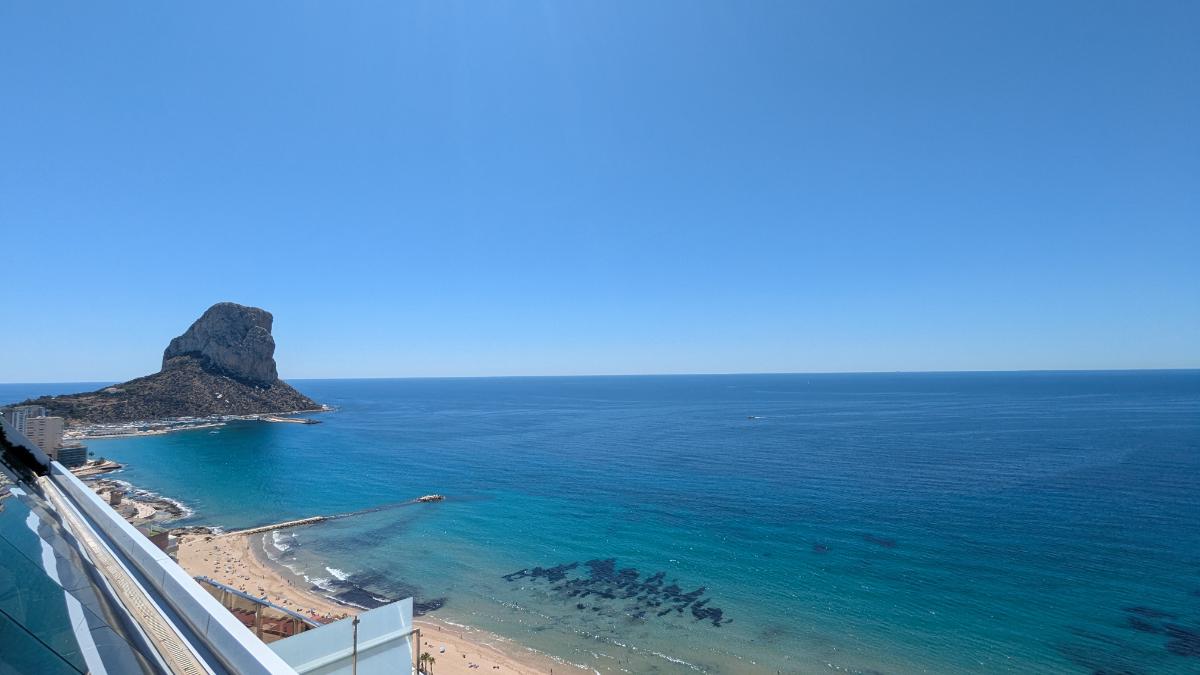
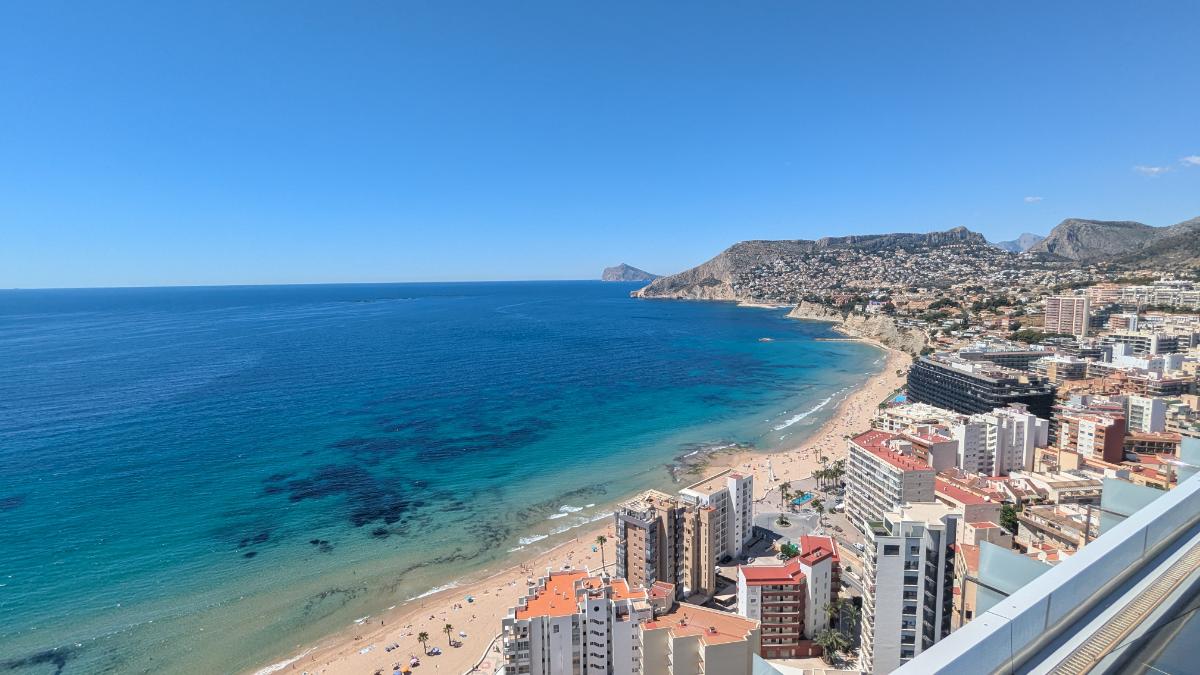
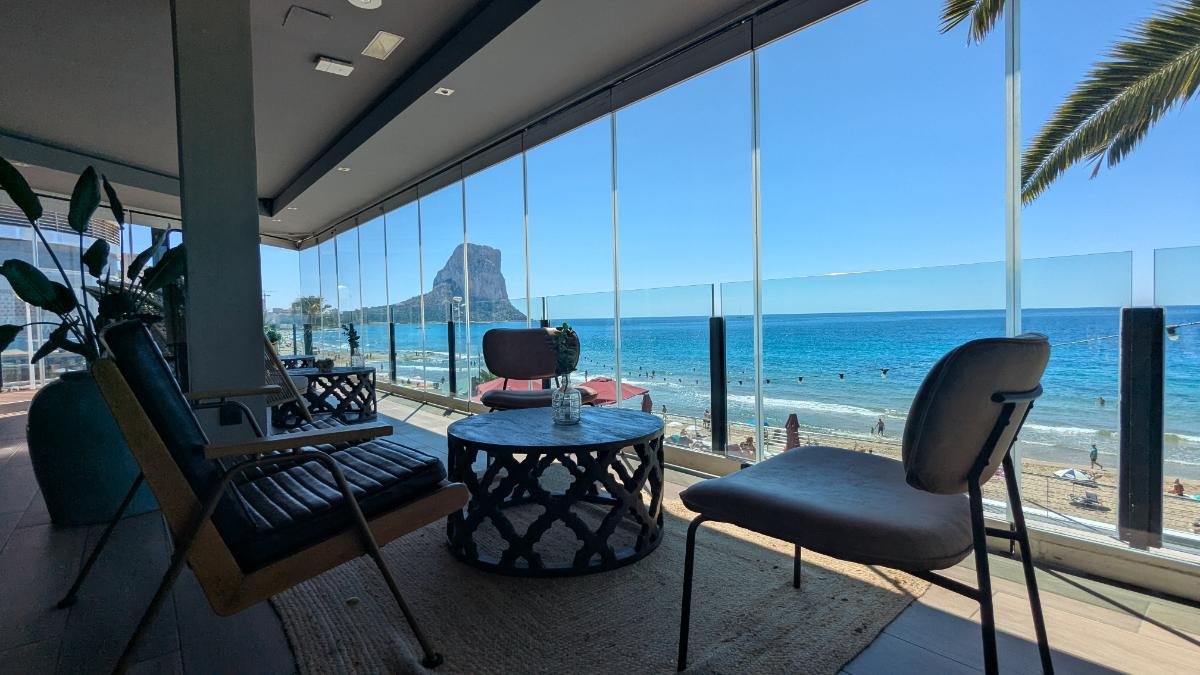
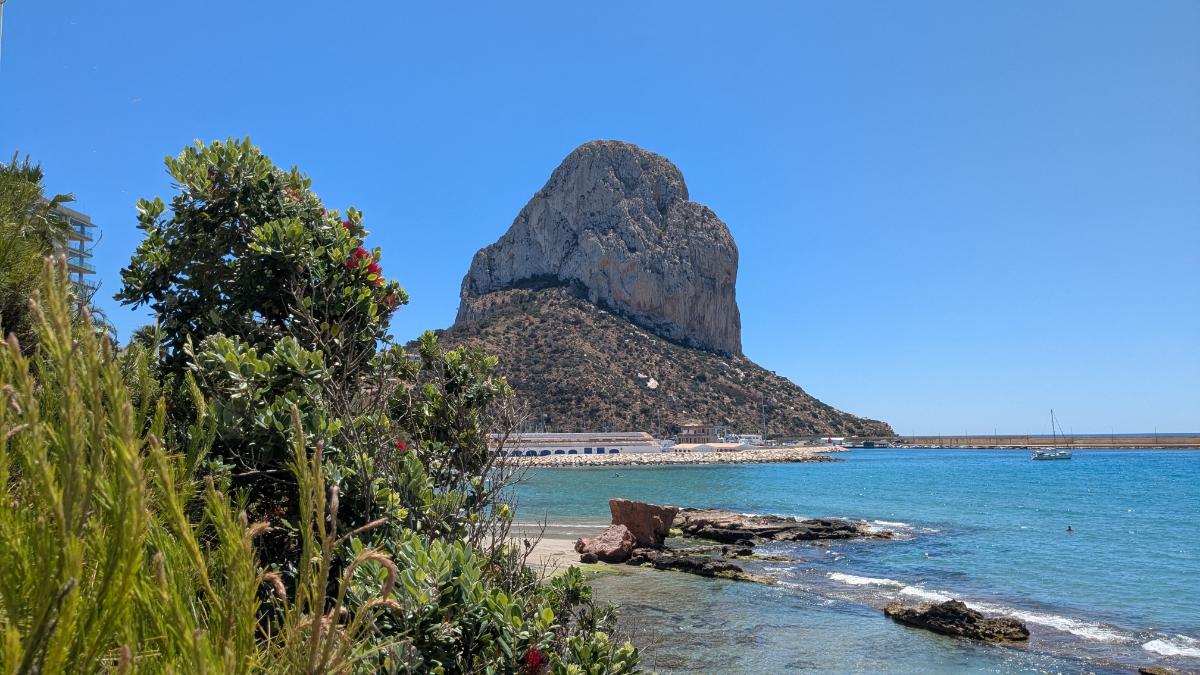
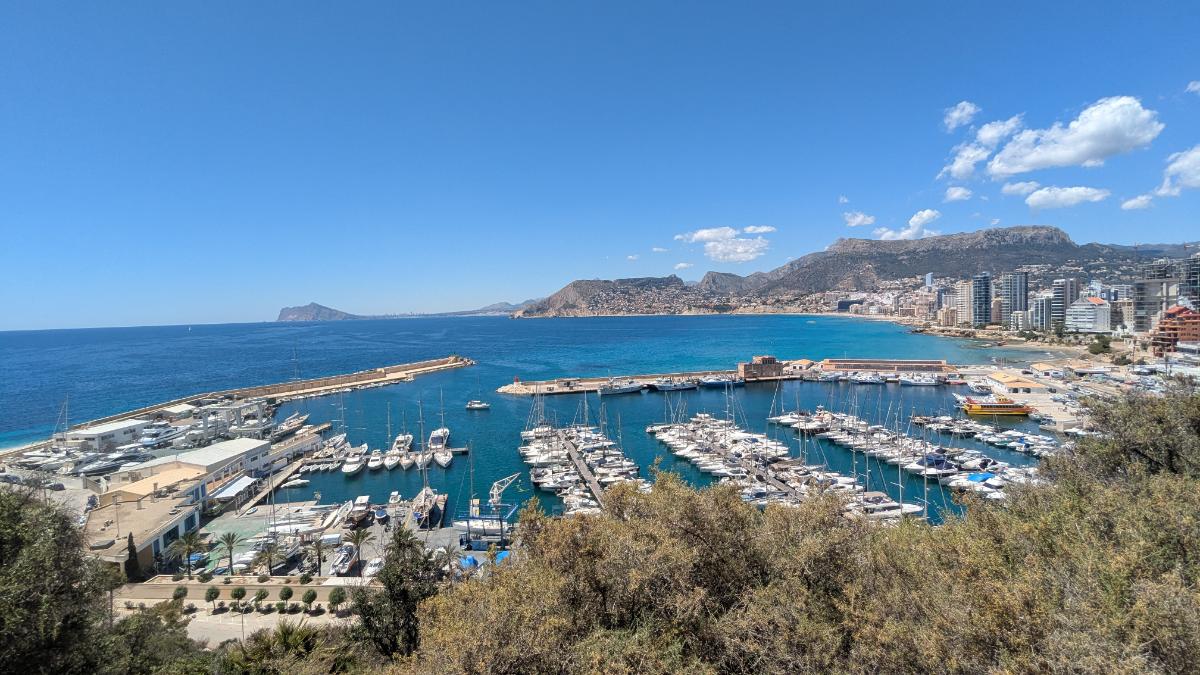
Calpe, some 20km north from L’Albir was our destination for the second day. We have visited several hotels in order to understand Spanish tourism economy as part of our education and the rest of the day was free roaming the city. Part of the group climbed up half way to the fantastic Peñón de Ifach is a huge limestone rock with thriving bird life, admiring the views of the coastline.
Our student colleagues who was our host as well in a way, greeted us with a traditional Spanish dinner in he home and on the last day, she and her husband (local guide for the Norwegian tourists) organized a half day trip to Tabarca.
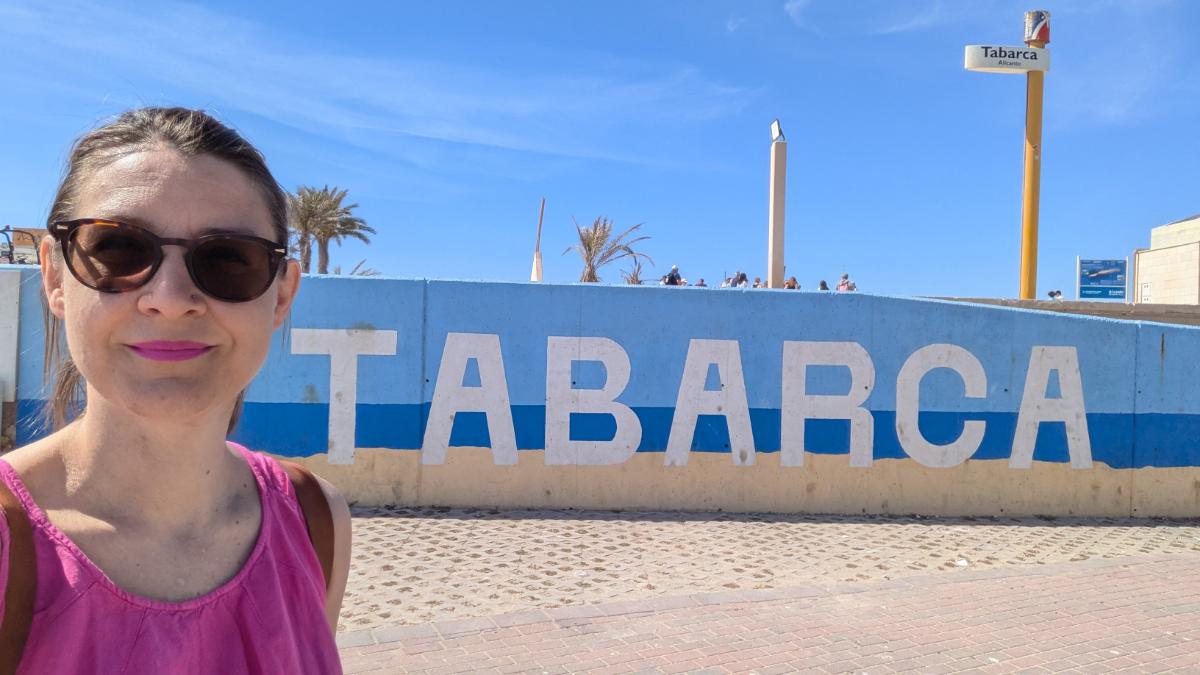
The island of Tabarca is the largest island in the Valencian Community, and the smallest permanently inhabited islet in Spain.
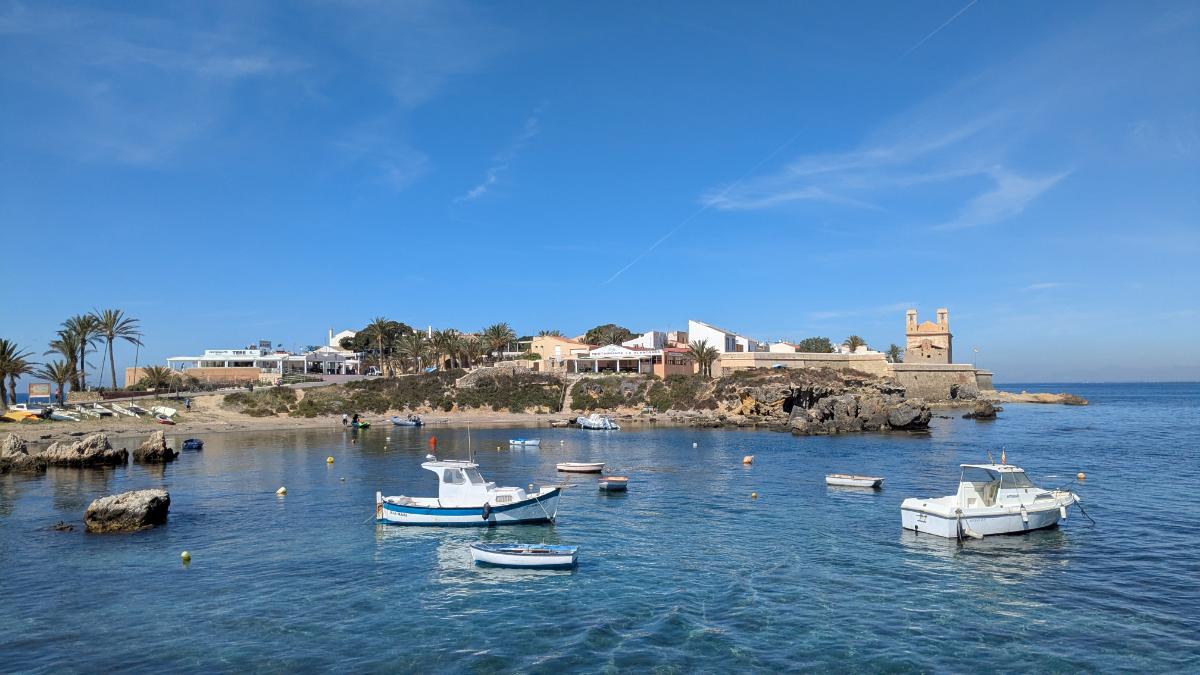
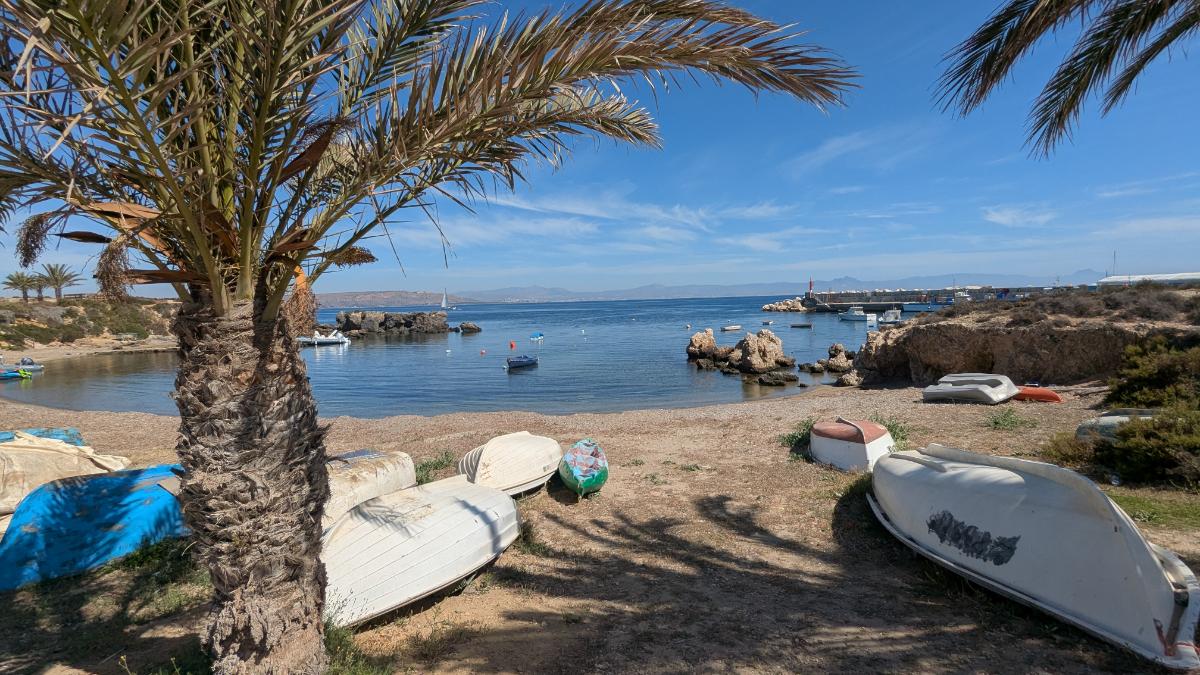
With the 1800 m width a maximum breadth of 400 m islet is perfect for walking and relaxed exploring. Population of 59 permanent inhabitants does doubles during the summer months when the tourists escape the city rush in a search fro peaceful and quite nights. We have been told, the sky is a different sky when on the island, covered in milions shiny stars.
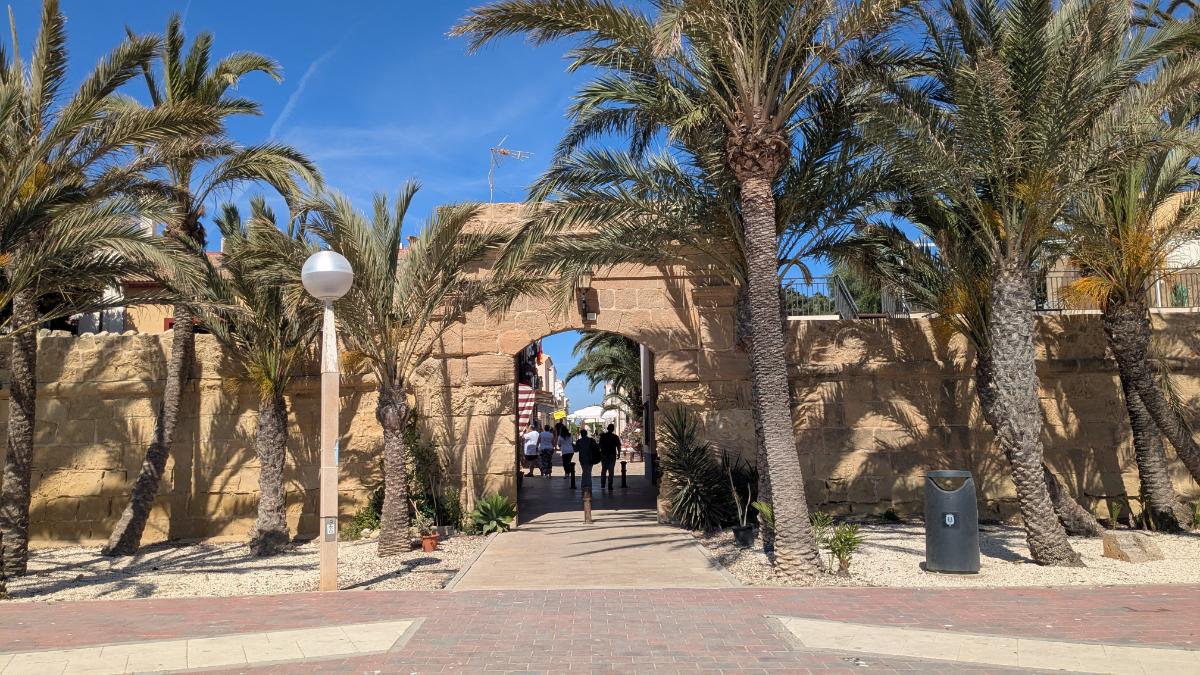
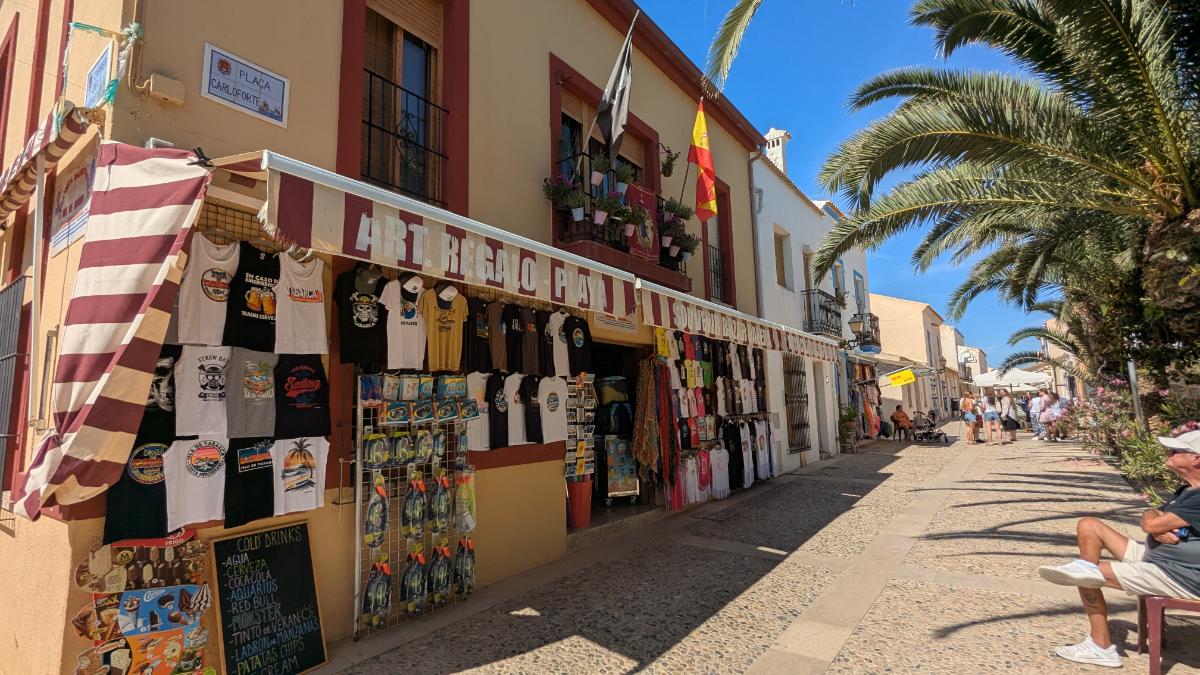
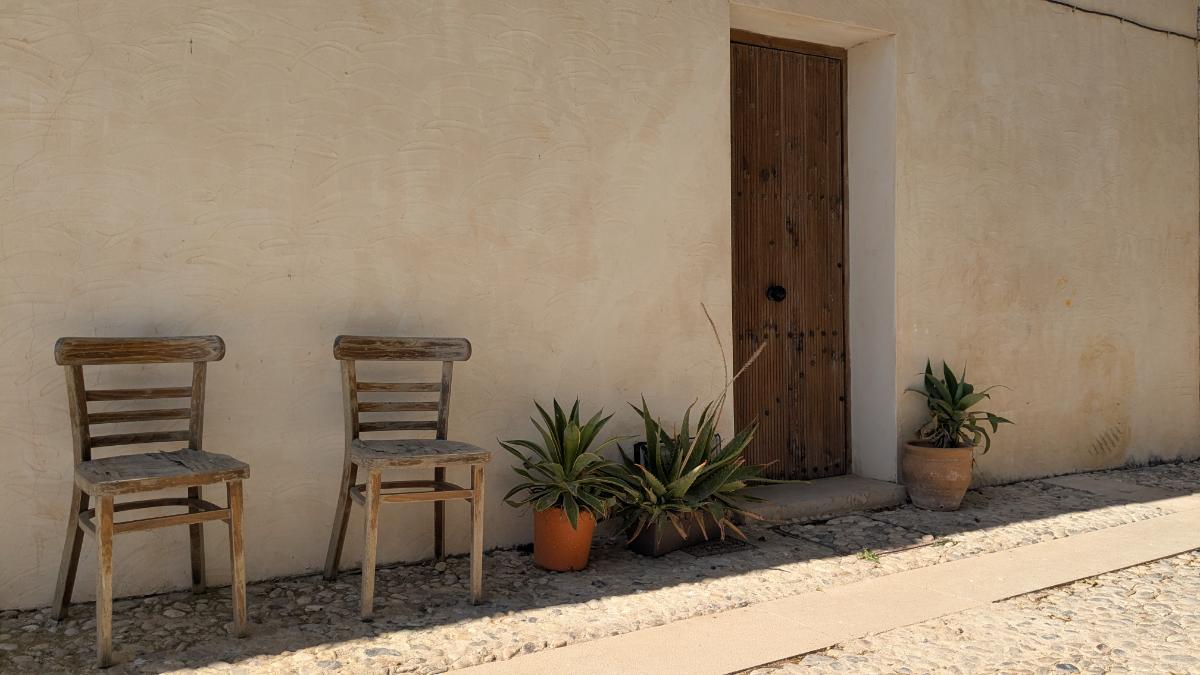
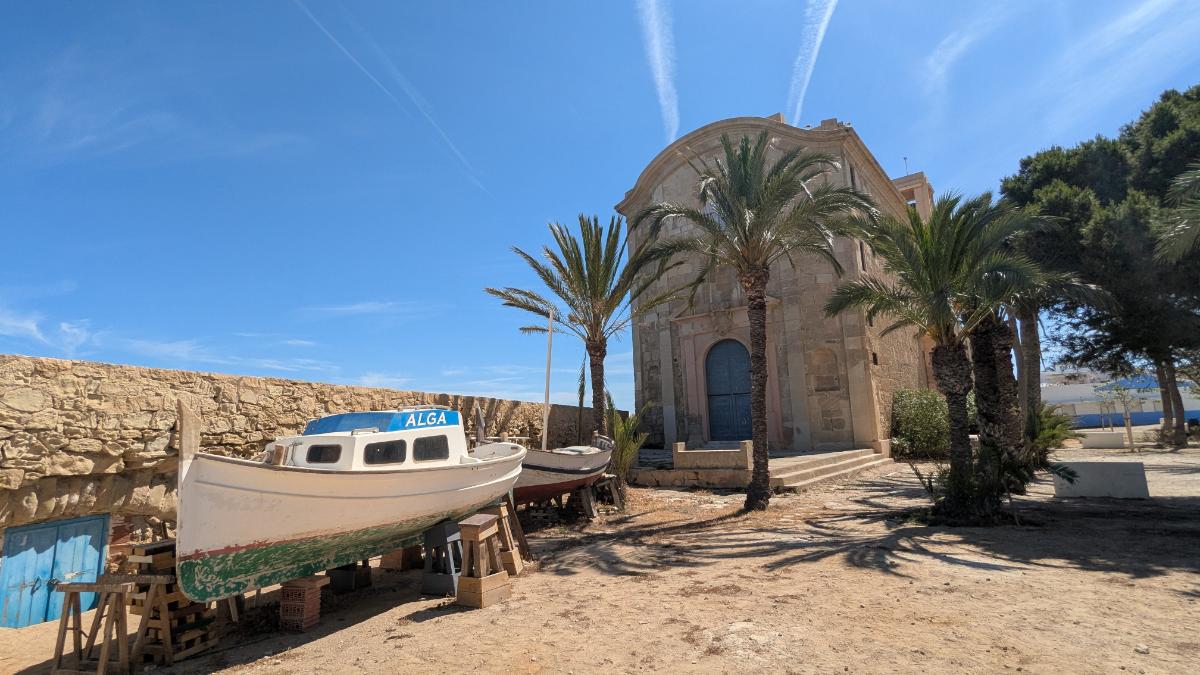
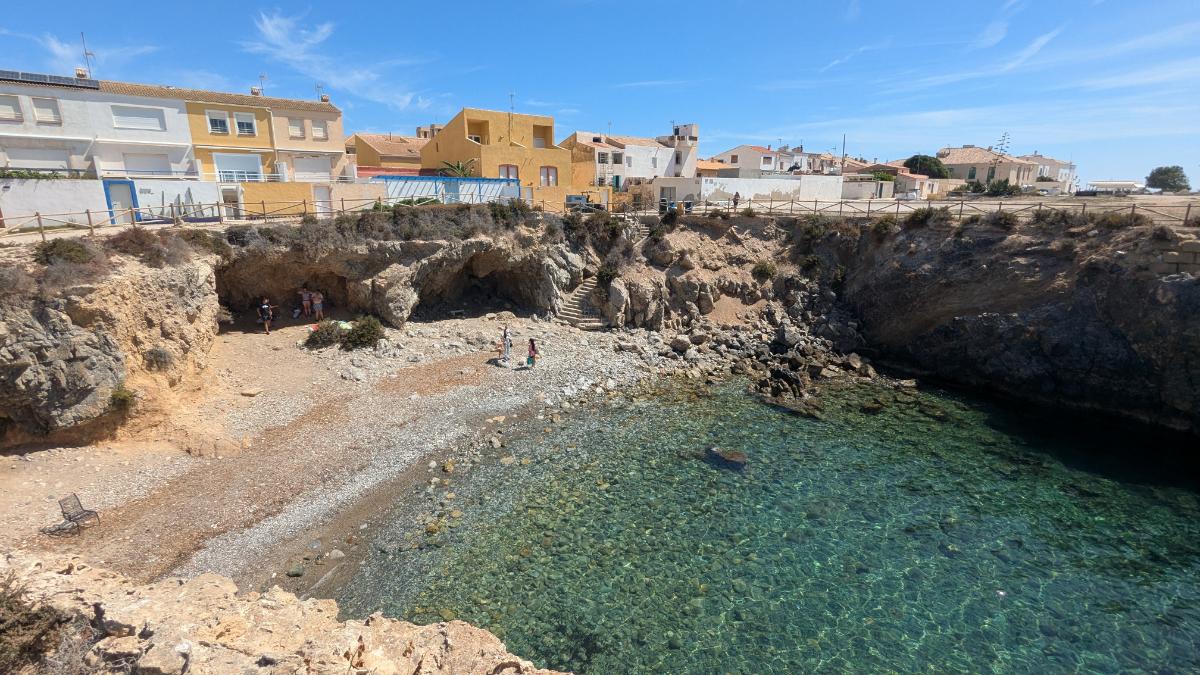
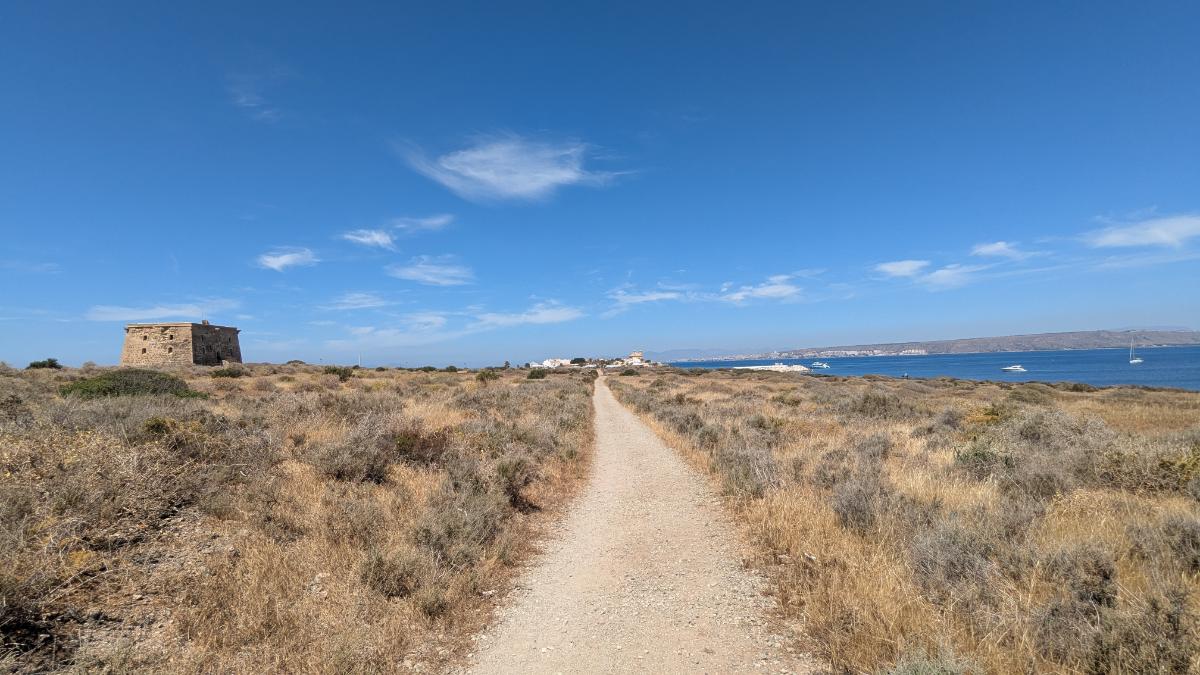
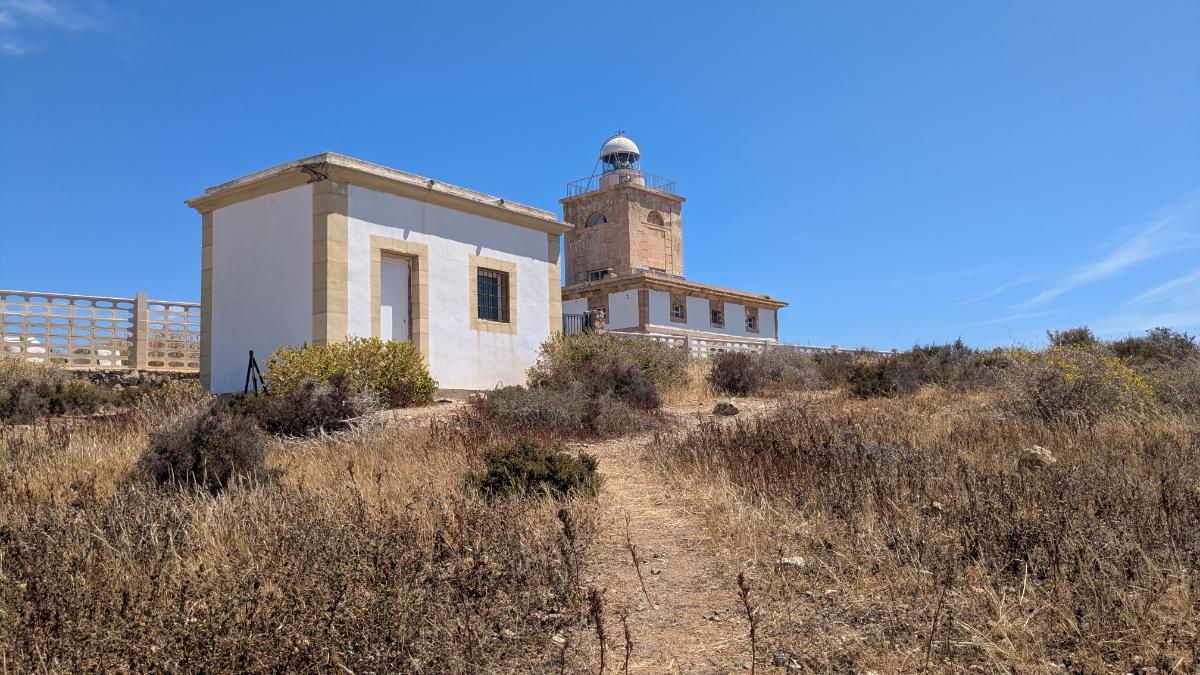
Tabarcas shores once sheltered Barbary pirates, but in the 18th century Charles III ordered the island fortified and settled by Genoese families freed from captivity in Tunisian Tabarca. A small village grew within the new walls, which today are protected as a Cultural Heritage Site.
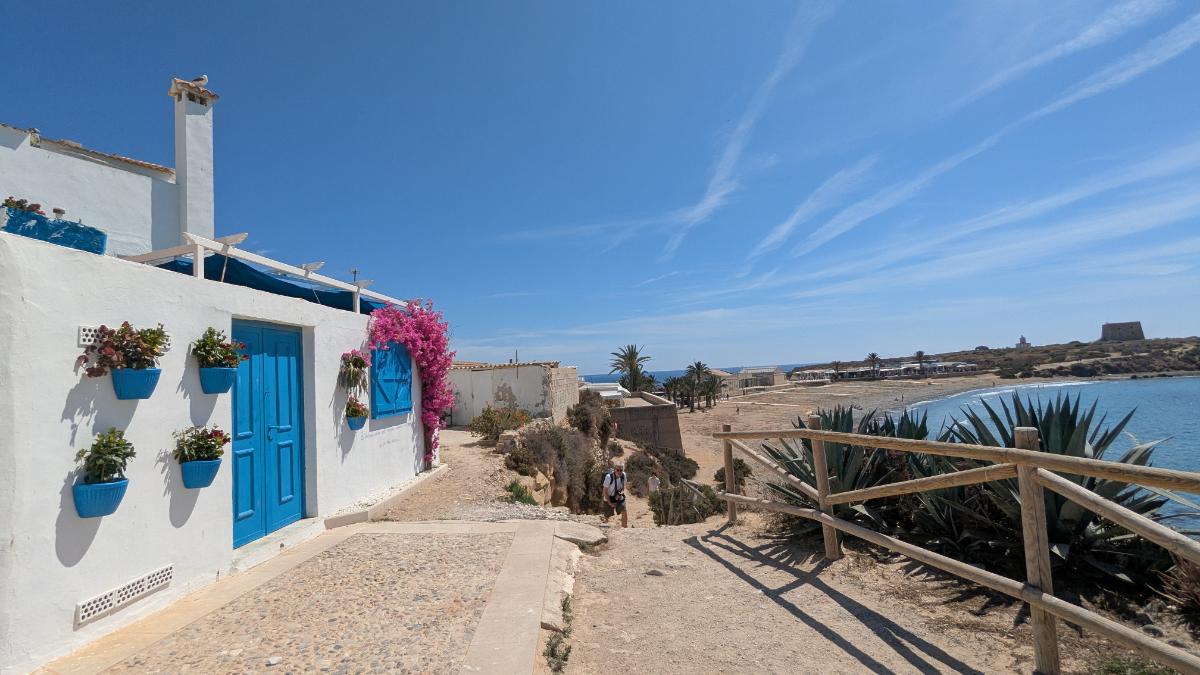
After visit to Tabarca and ravaging local Lidl and Pepco shop (I packed my self in the small suitcase and brought a big one ‘’smuggle’’ some local produces and summer clothes from M when I discovered the Polish clothing brad store) I joined the part of the group in Altea.

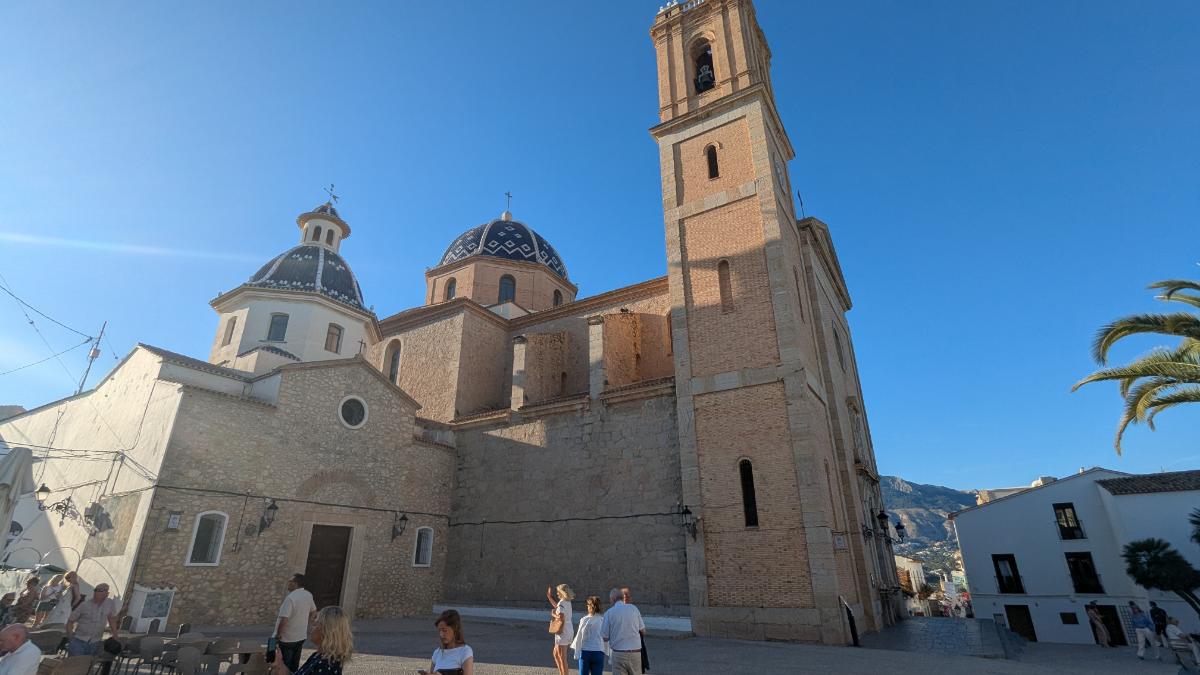
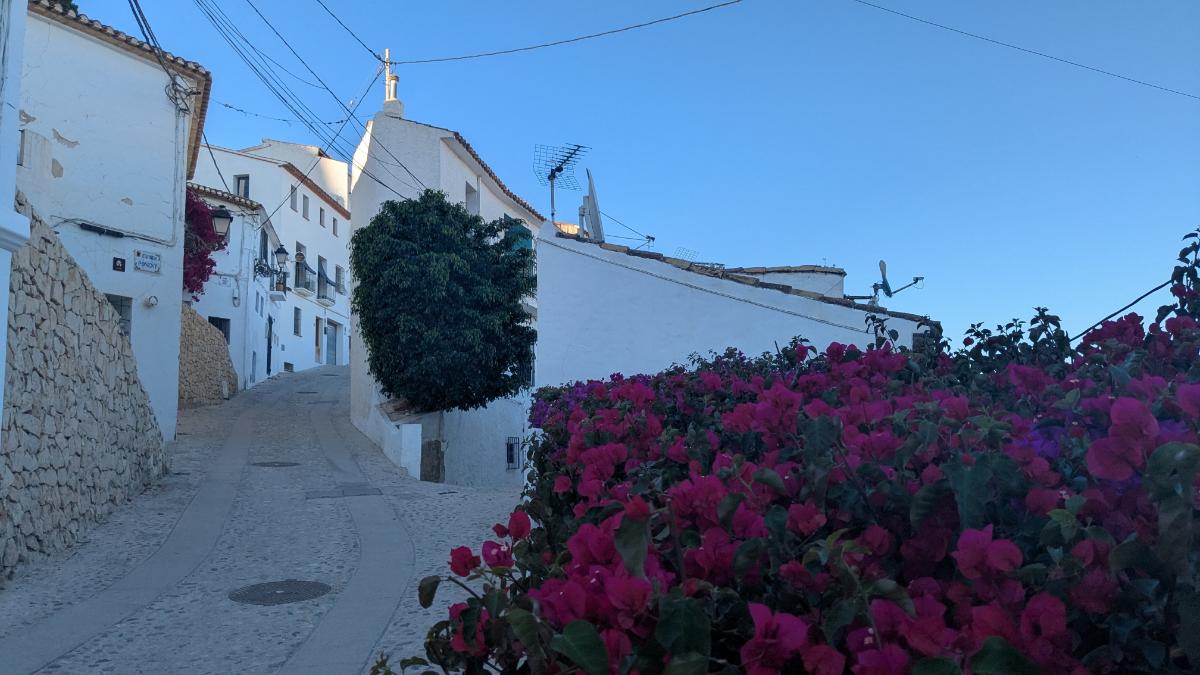
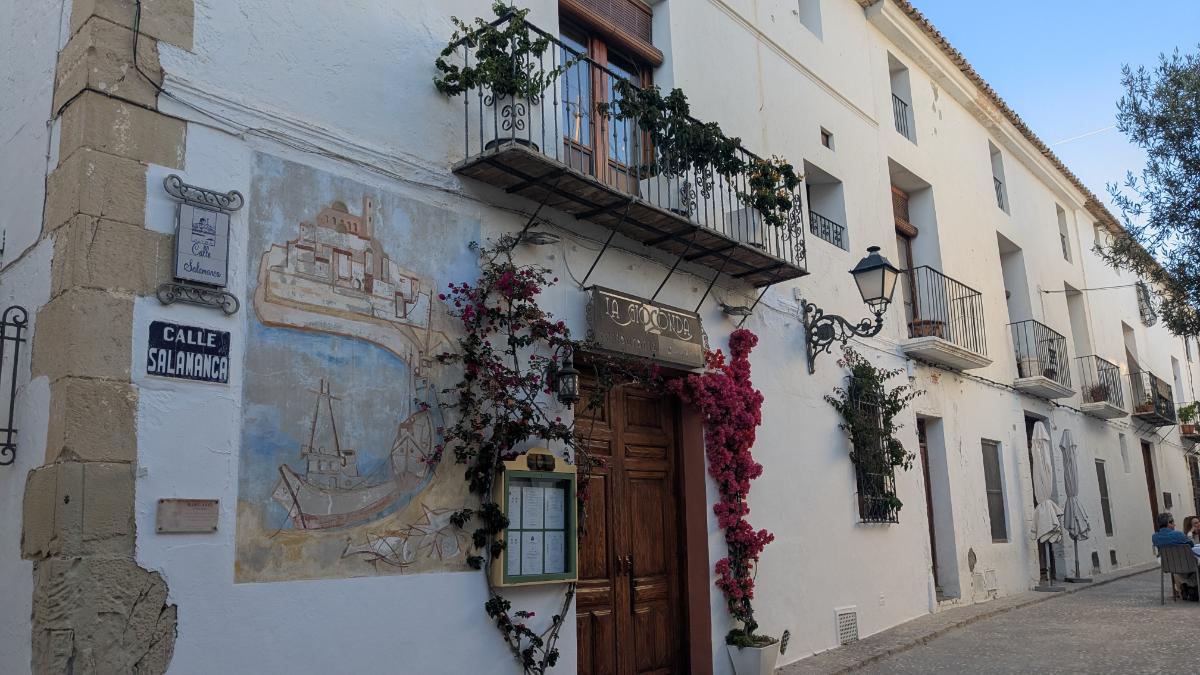
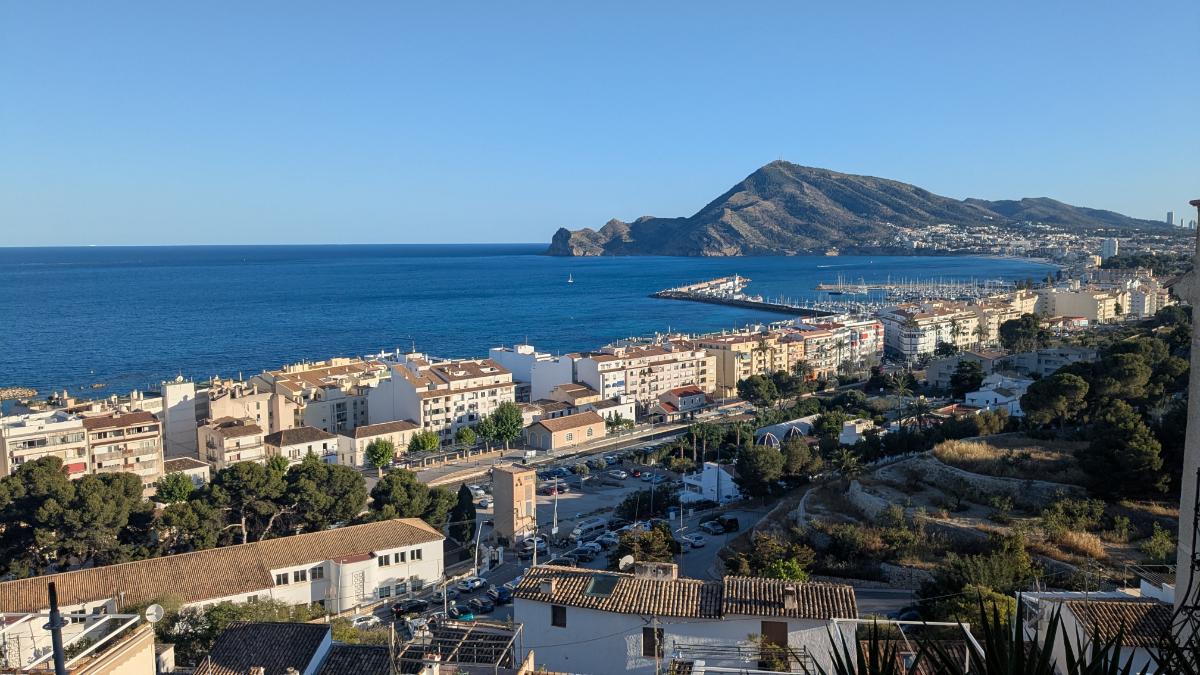
Beautiful village just 15 minutes by bus from L’Albir on the Costa Blanca is primarily known for its lovely old town with a beautiful church and church square at the top. Walking the stairs from the main road, up to the old town to admire the view and the church were a perfect ending to a study trip with fantastic teachers and colleagues. Definitely worth the study loan that I will be paying off for the next 2 years. 🤣