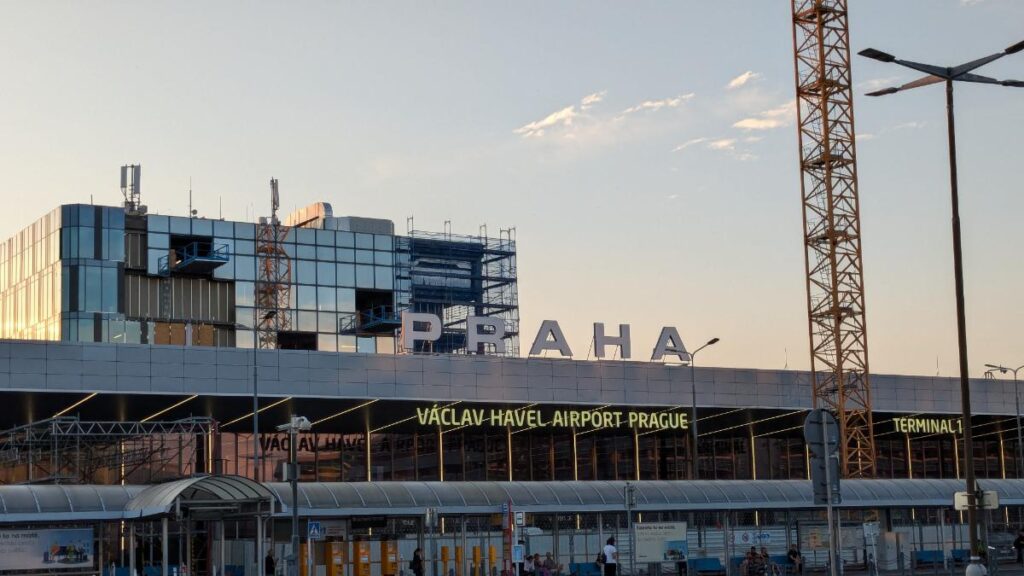
Back in 2019 we celebrated my 40th birthday in Rome. In 2024 I gifted us a trip to Prague for Debelis big 4-0.
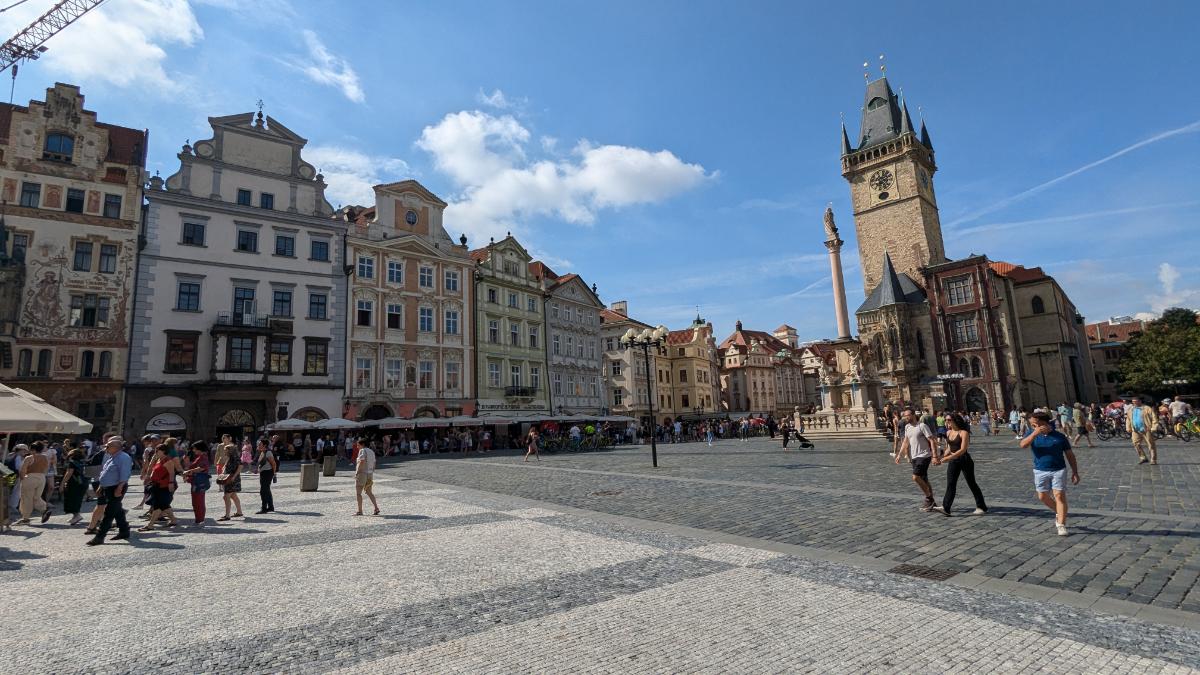
Prague was on our list for long as I remember and think of my Czech heritage. My paternal grand grandfather moved from Bohemia to than part of Hungarian Austrian empire and we even had some distant relatives back in Czechia. My surname in Czech means a bears den.
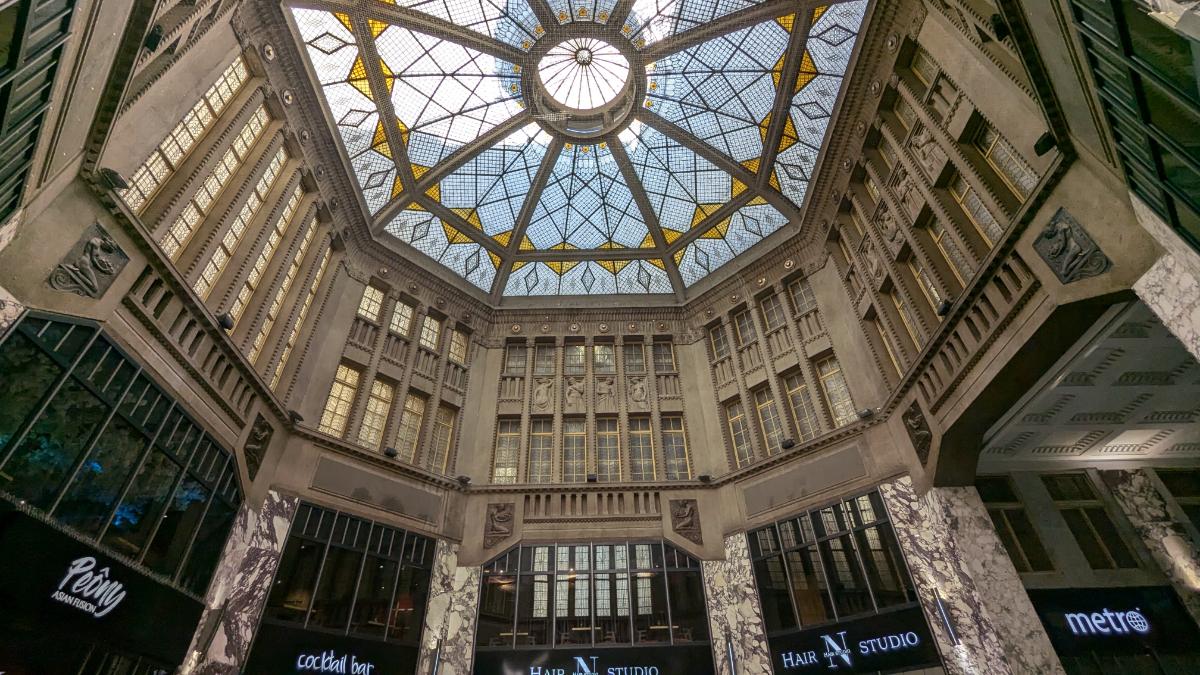
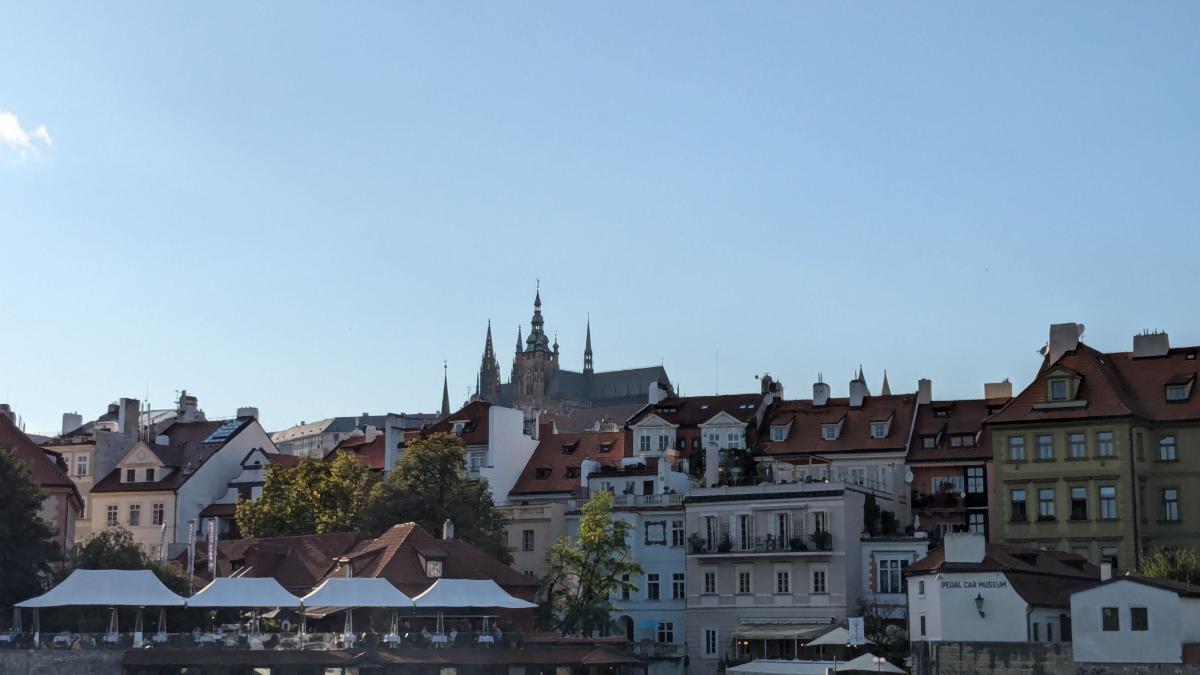
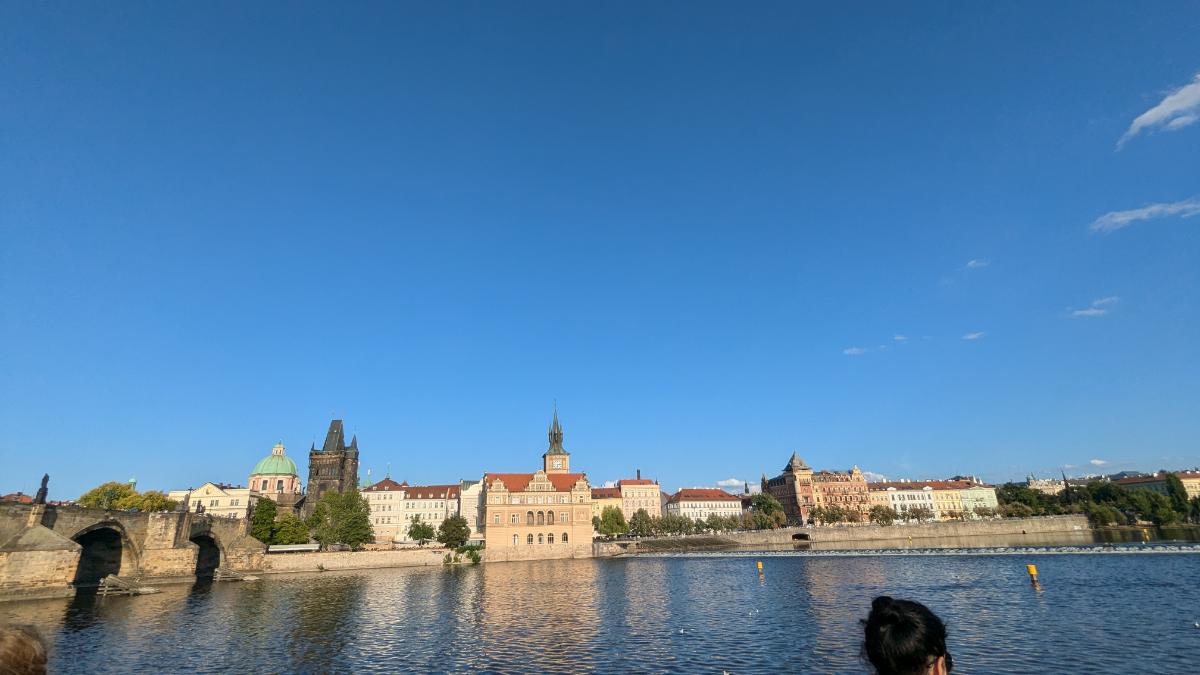
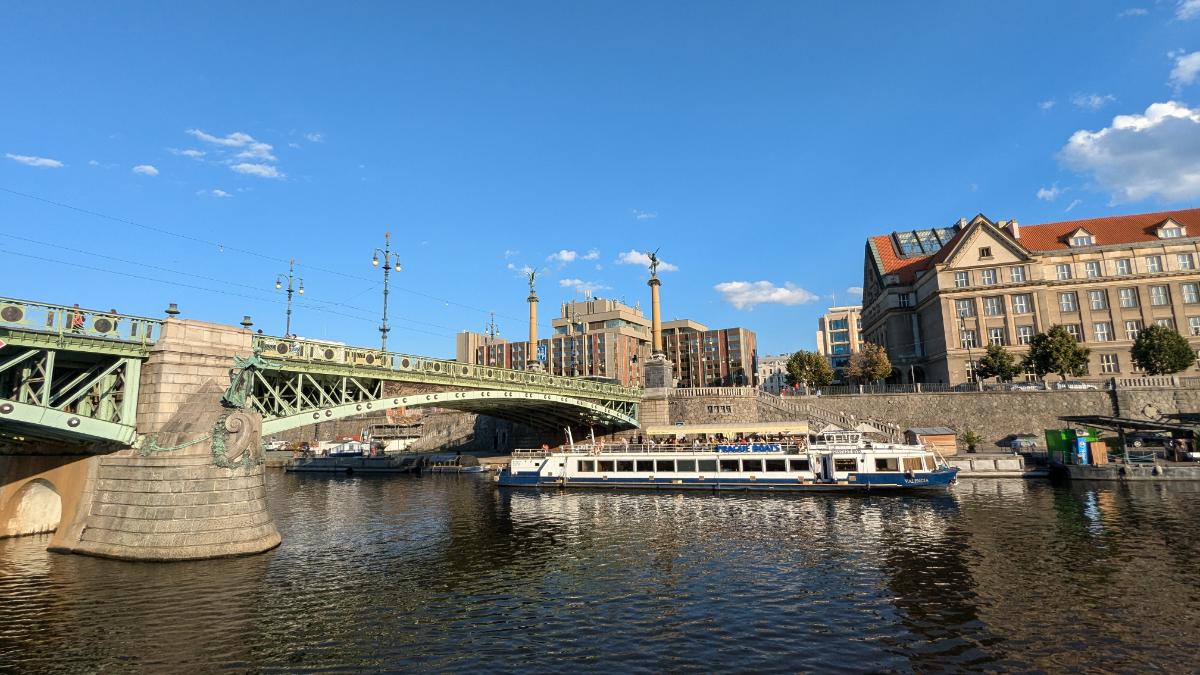
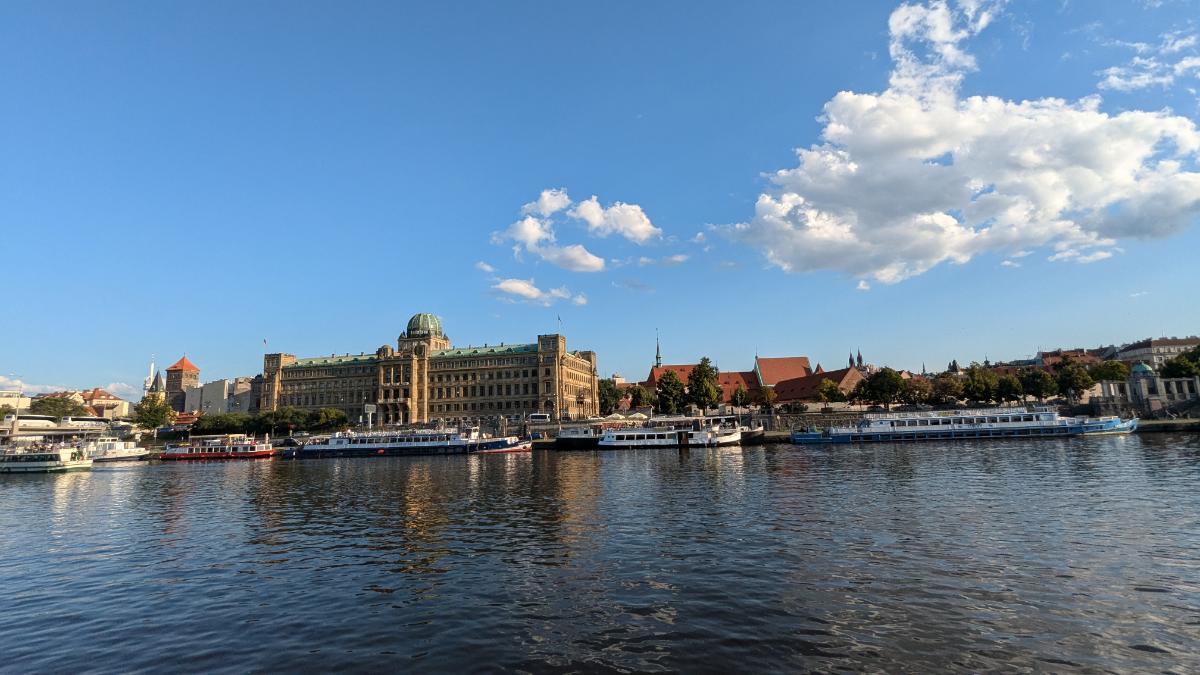
Since time did not allow us to visit whole country, that is to be done, one other time, we opted for a weekend stay in the beautiful capital.
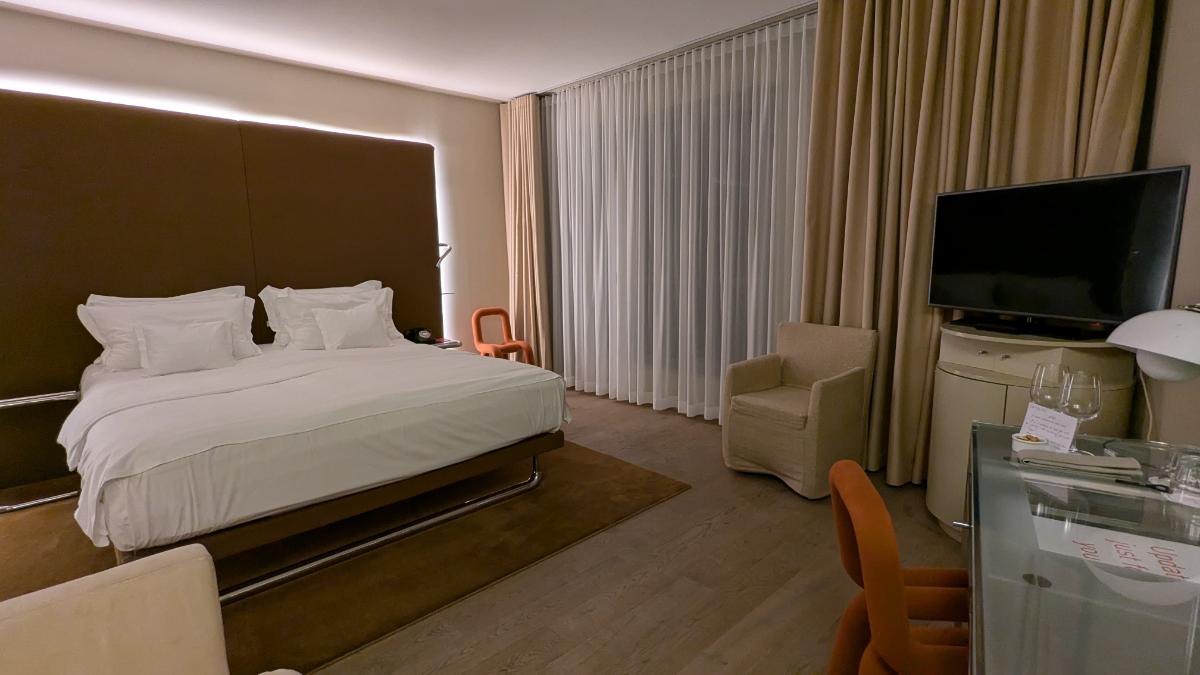
It was mid August. The weather was hot and humid, however we didn’t mind and we spent mornings and late afternoons exploring the city, while mid day during the heat wave we would pass out in the ac hotel room taking a little after lunch break.
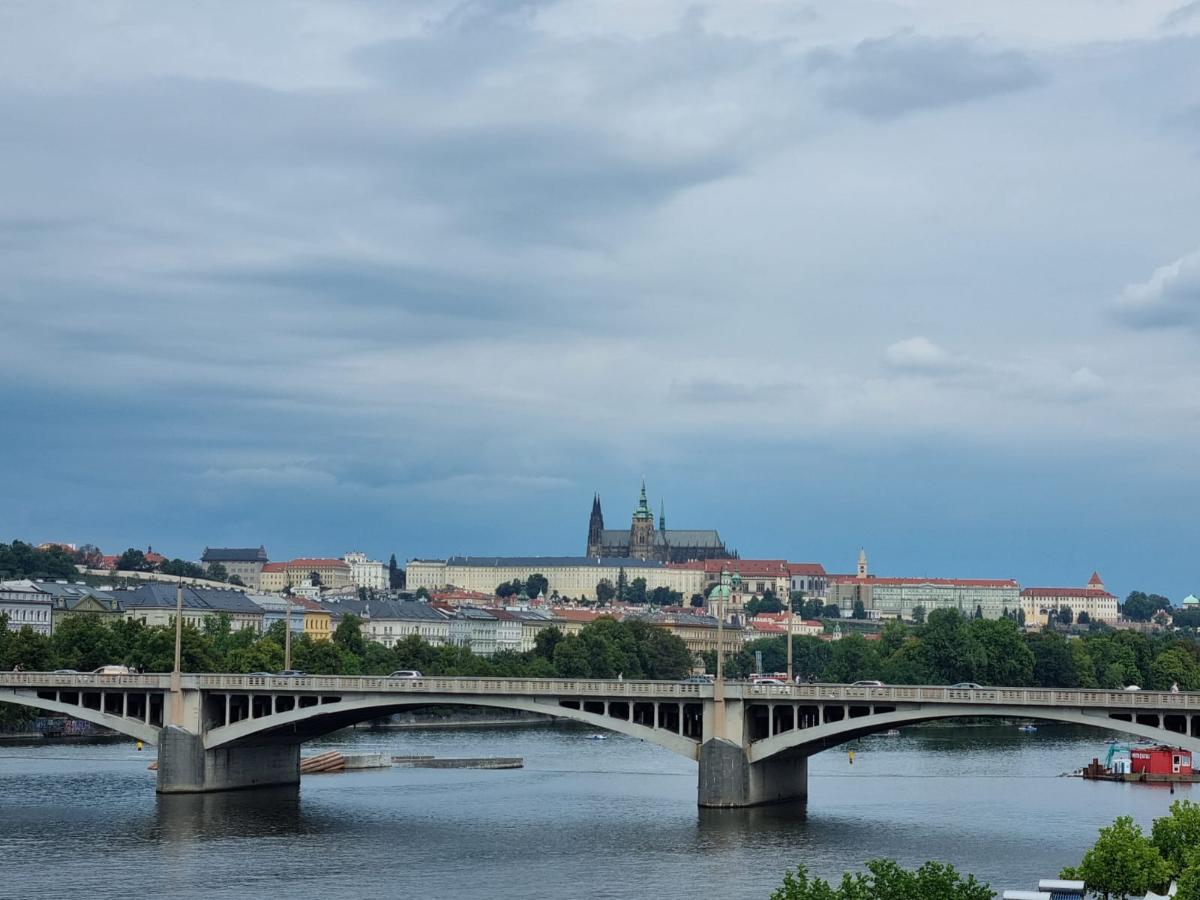
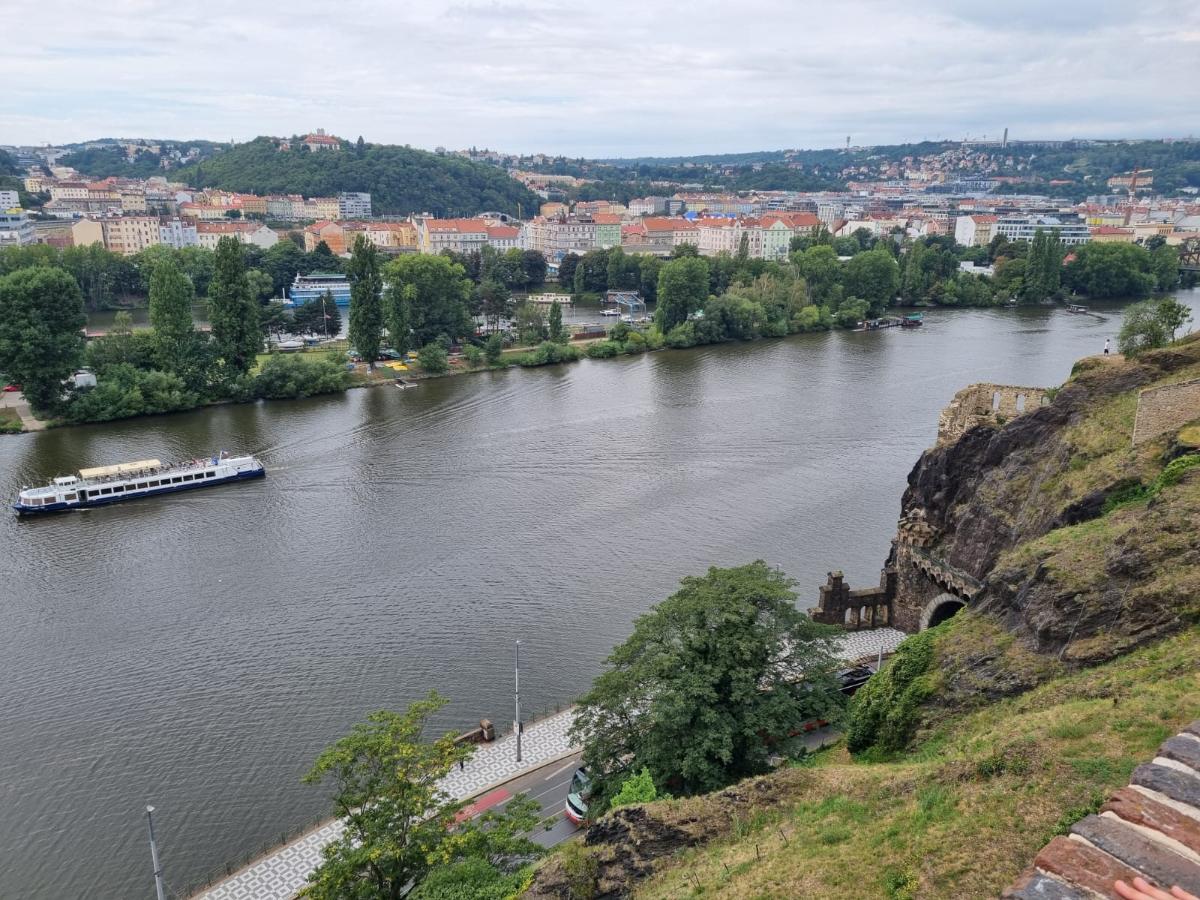
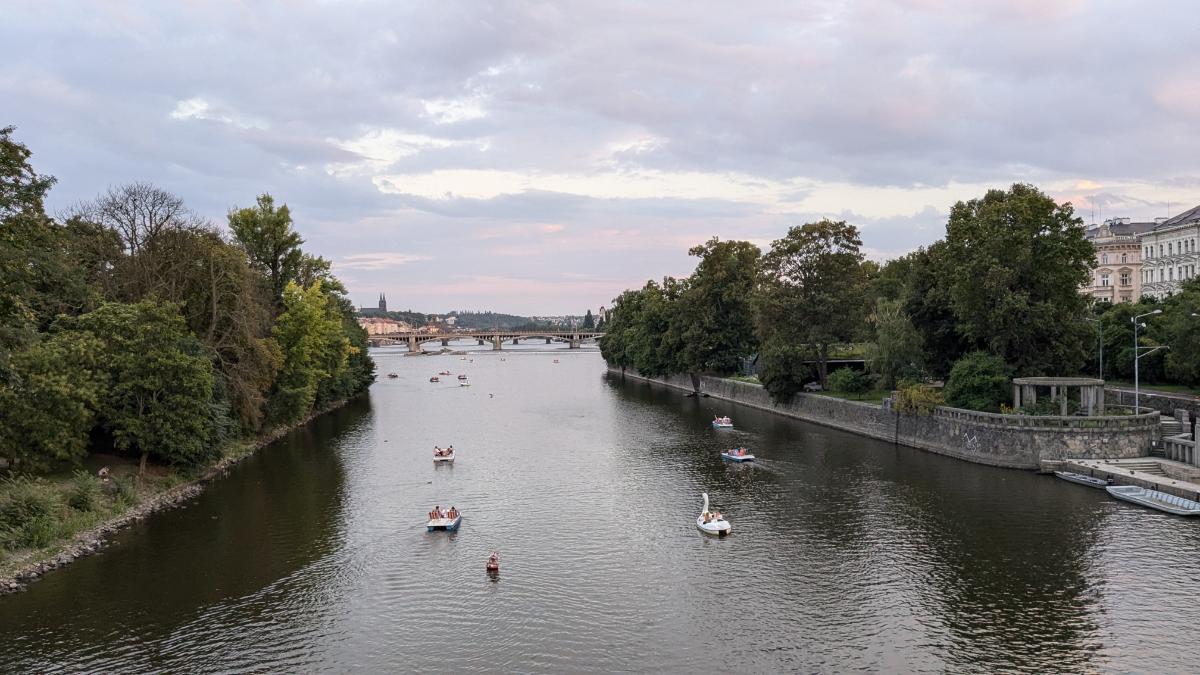
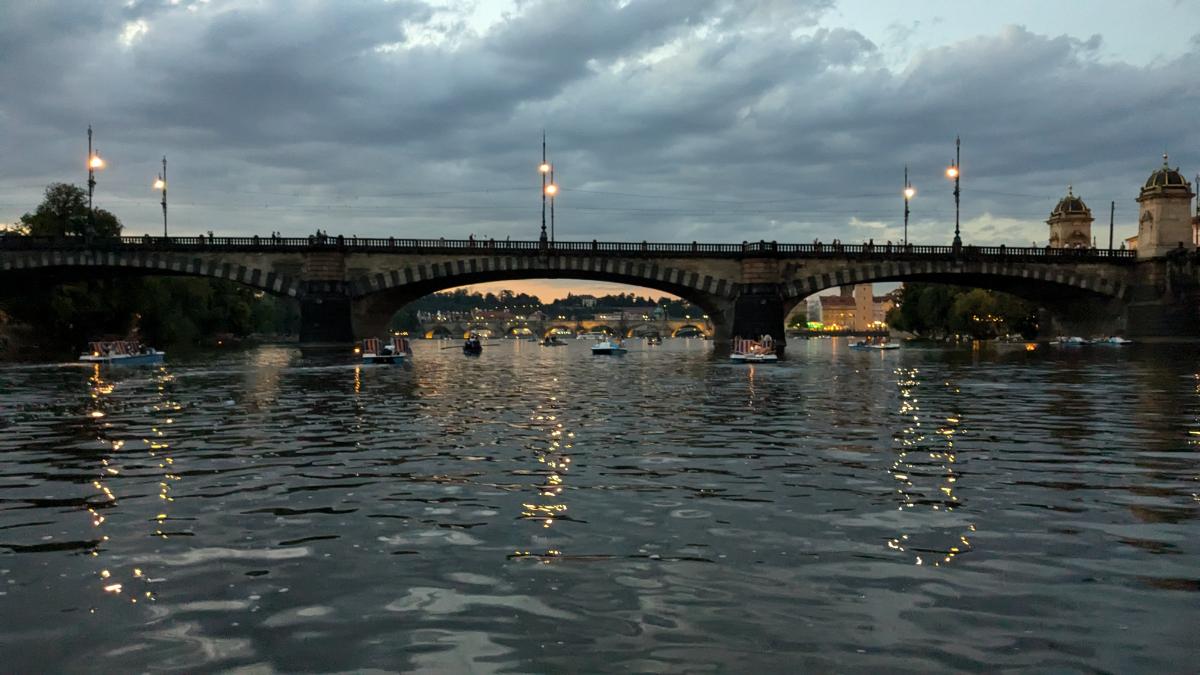
Founded by the quiet flow of the Vltava River, Prague was settled prehistoric times, slowly growing into an important crossroads in Central Europe.
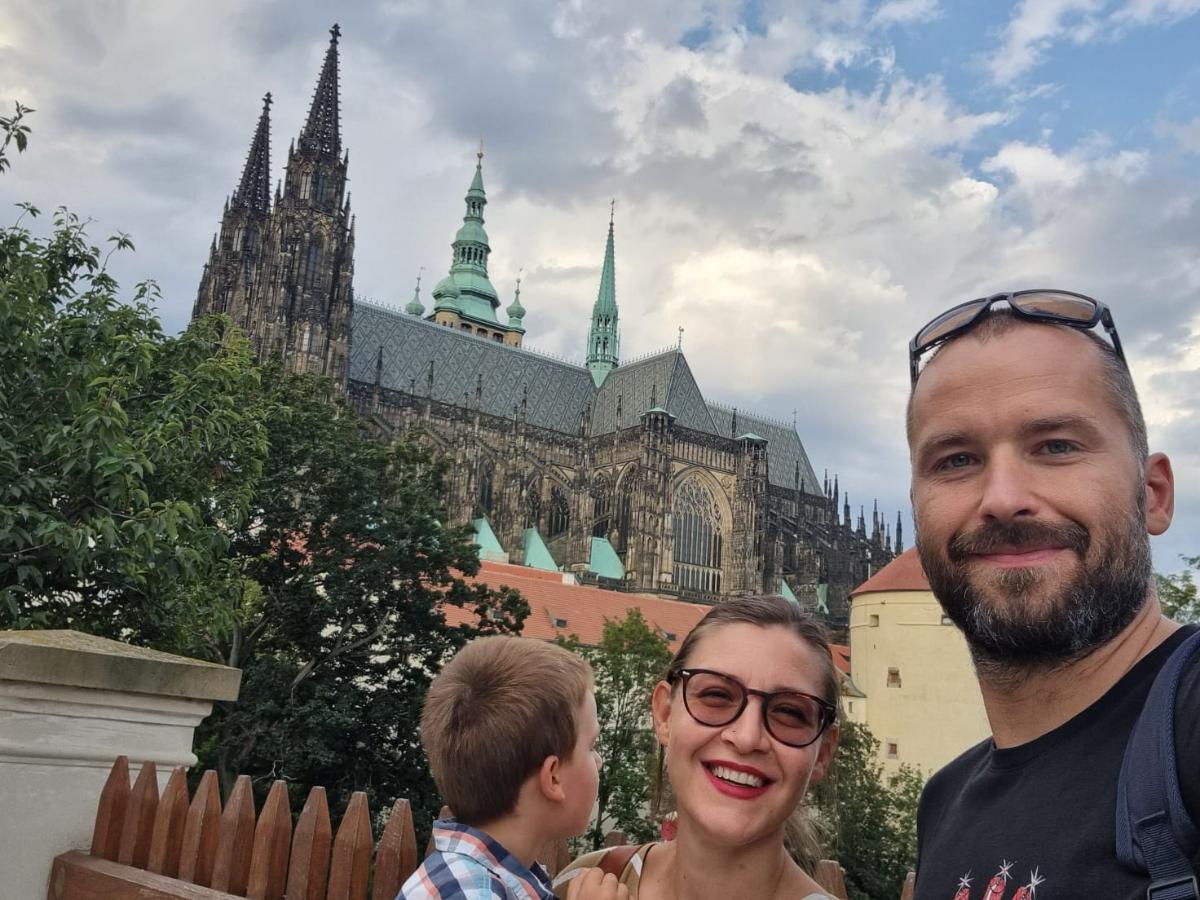
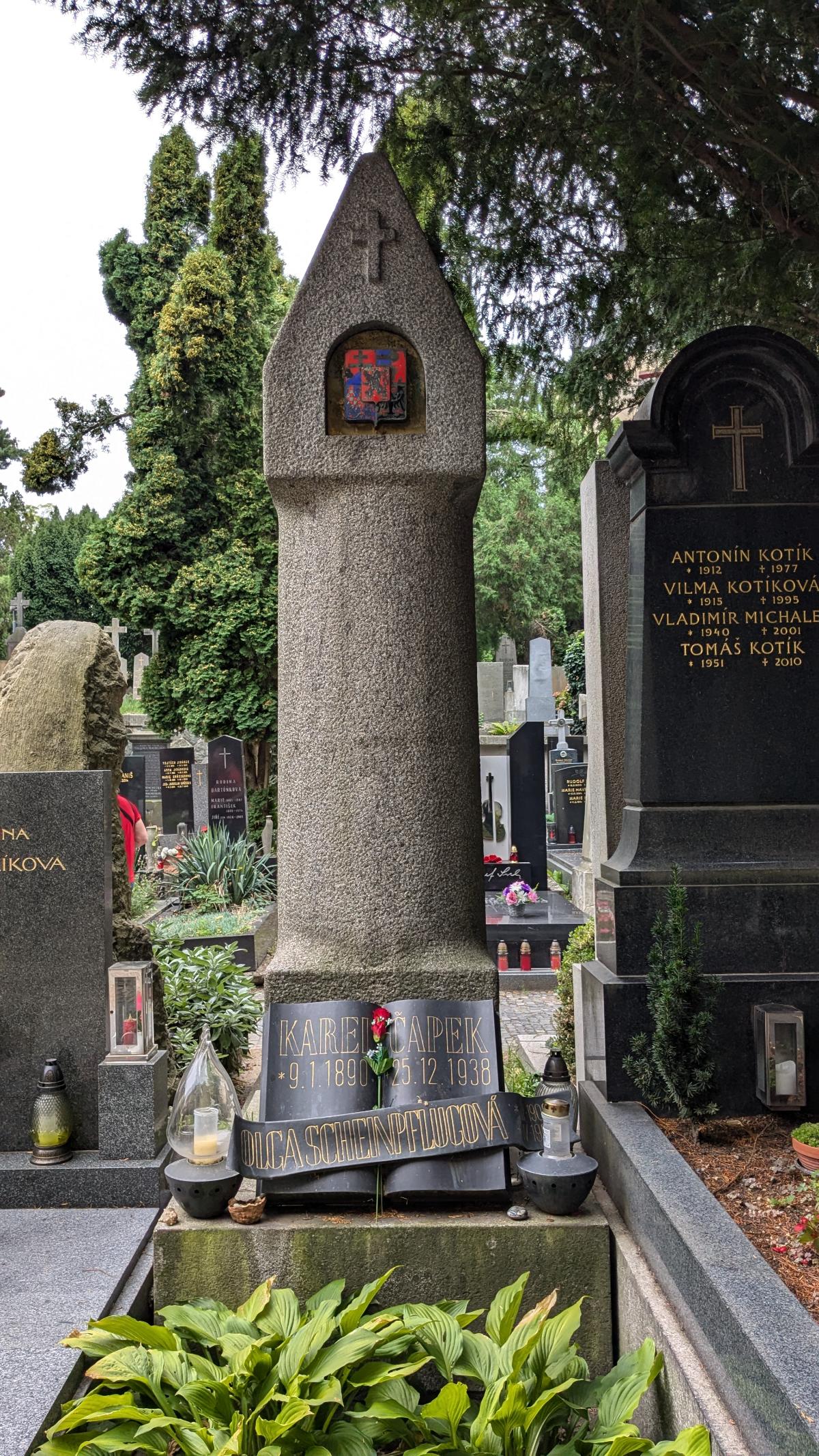
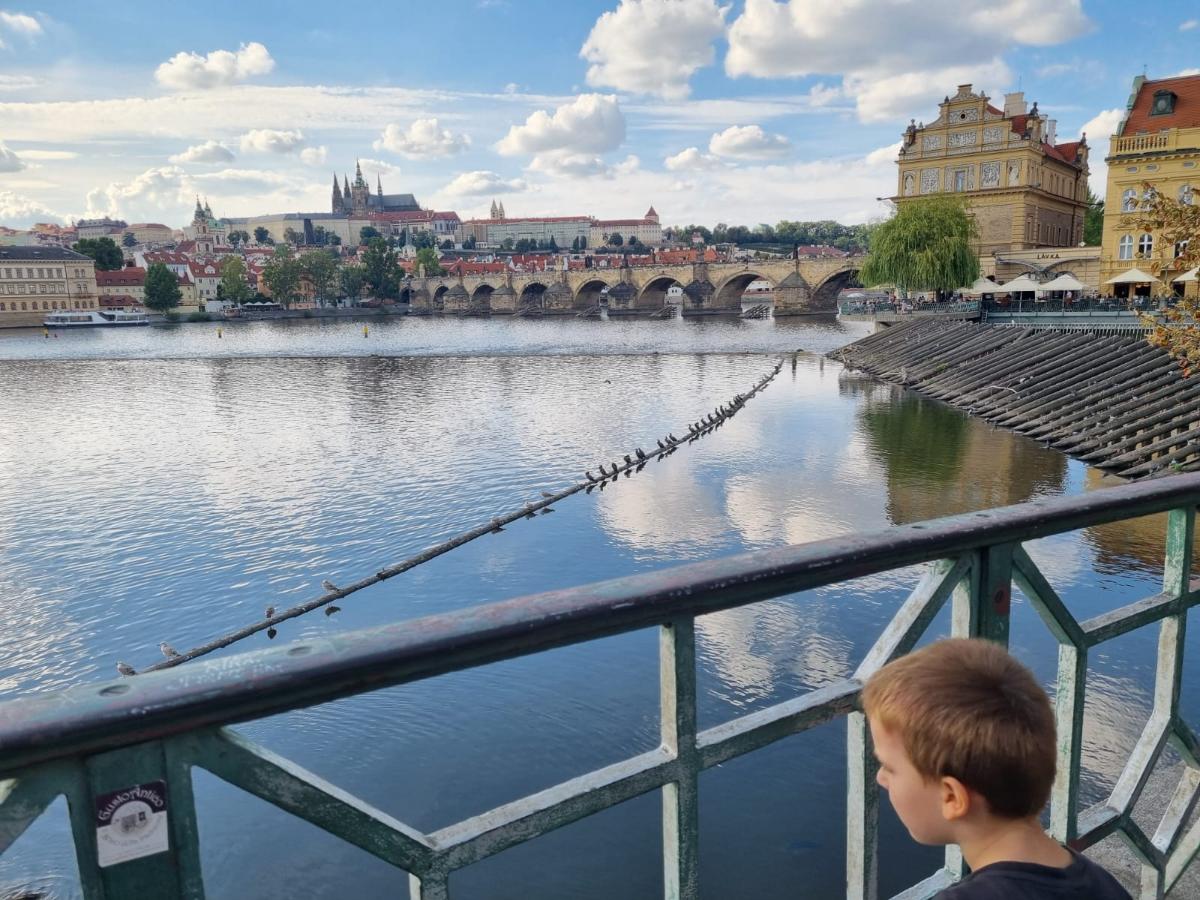
Although Prague blossomed under great monarchs, especially during the reign of Charles IV in the 14th century who built grand churches, and ordered the construction of the famous stone bridge that still arches over the river today.
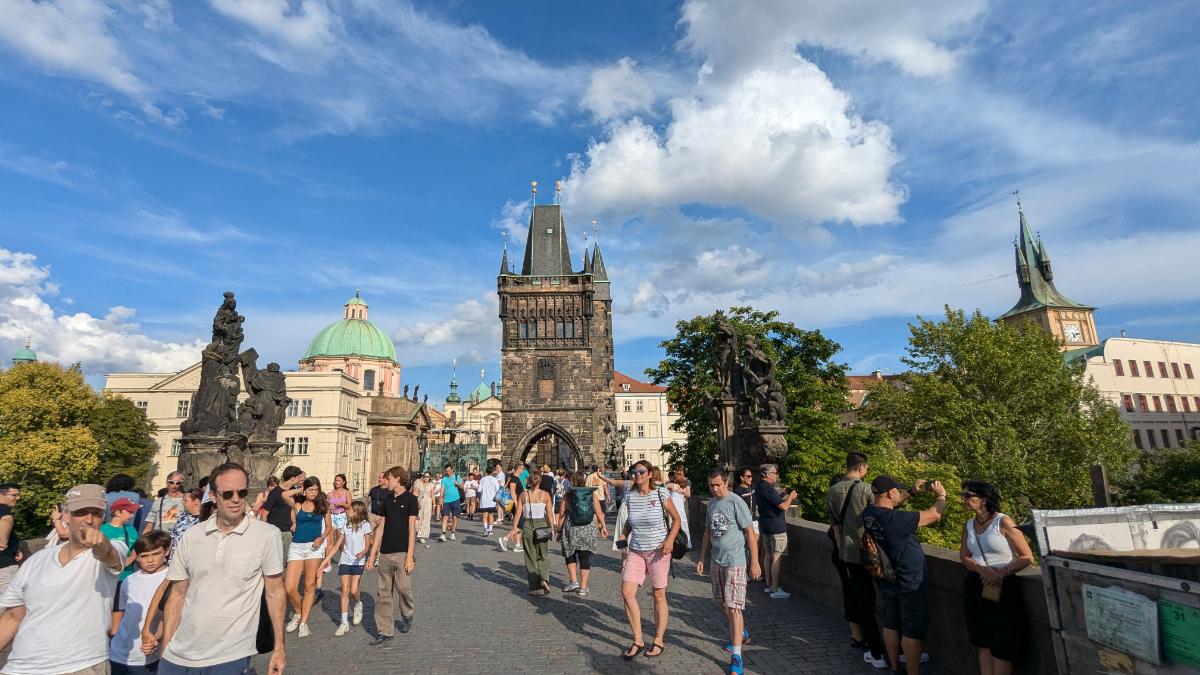
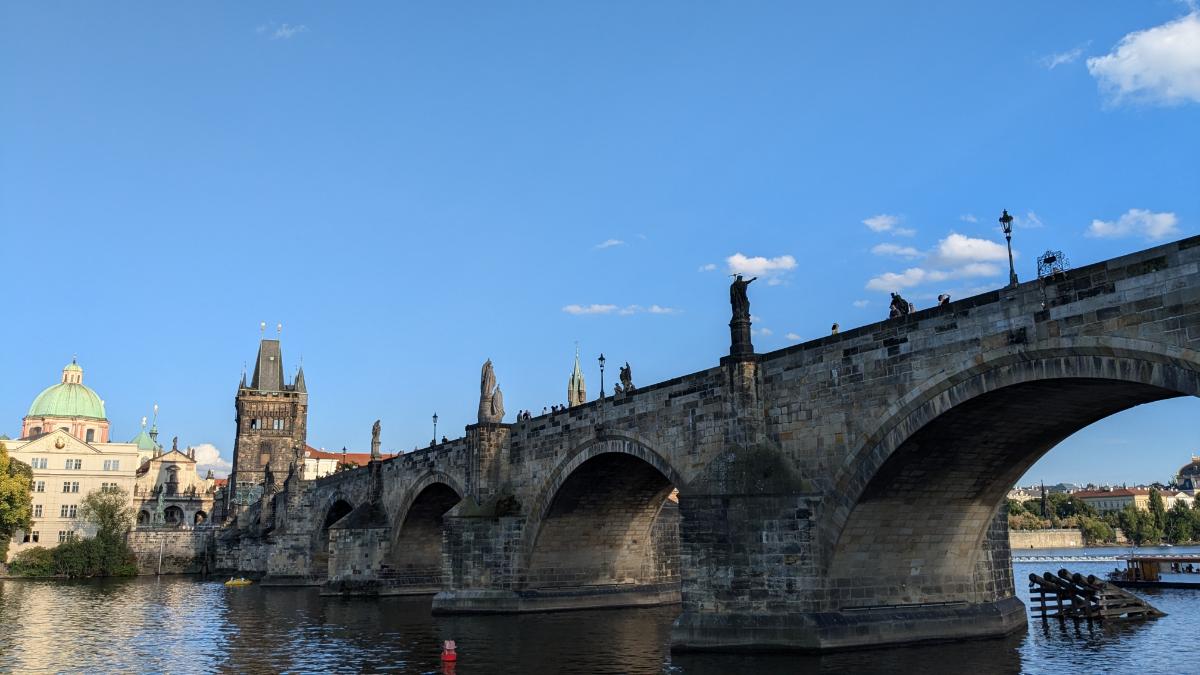
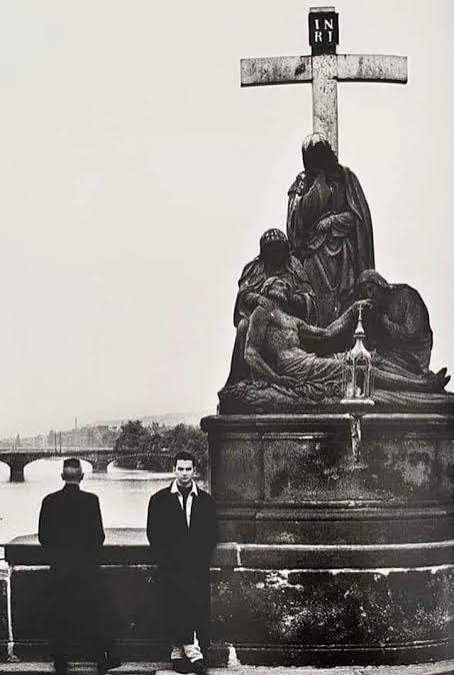
Did you know the famous British band duo Depeche Mode, took a photo on the Charles Bridge in Prague in 1988, while touring around Europe?
Even more iconic is the INXS Never tear us apart video shoot in early morning of the same year in 1988, picturing moody, atmospheric, and untouched Gothic architecture of Prague city before the fall of the Iron Curtain.
Although Prague had many golden ages, the most remarkable, as it was connected to our Croatian history in many ways is definitely the great Austro-Hungarian Monarchy. This multi-national constitutional dual empire in Central Europe that lasted between 1867 and 1918 had an important role on our local economical and cultural development. Just thinking of the numerous artists of the region that had the possibility to study in Prague, later returning to their homes towns in Croatia and implementing new European painting or poetic trends.
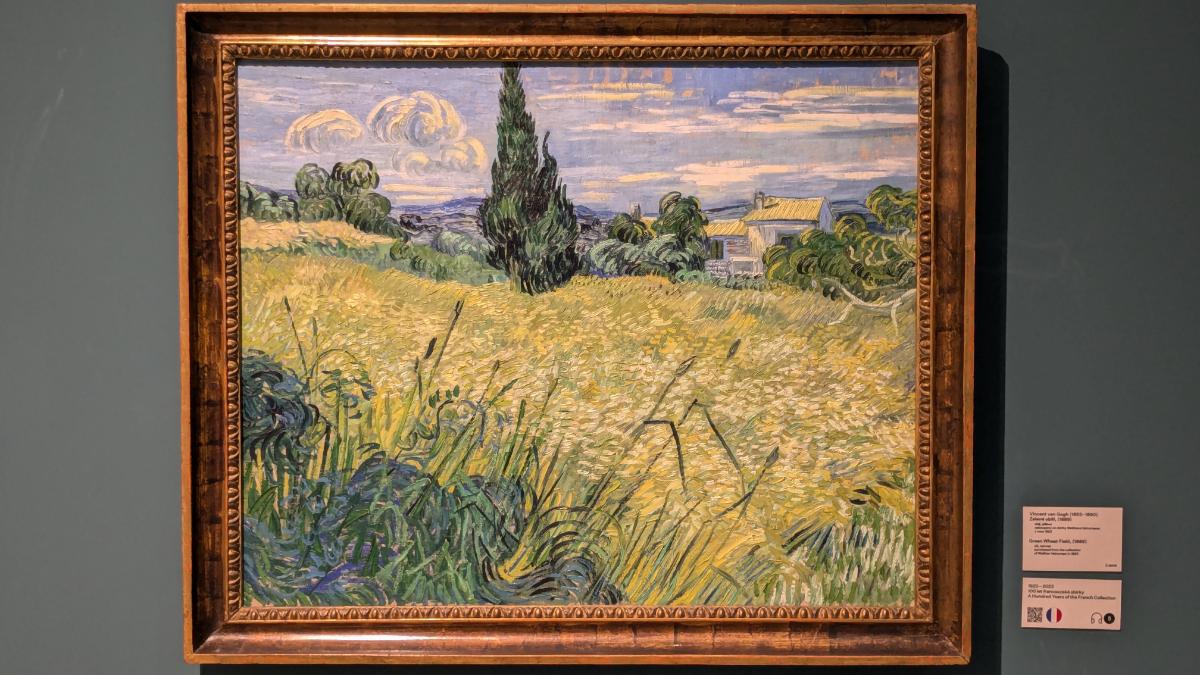
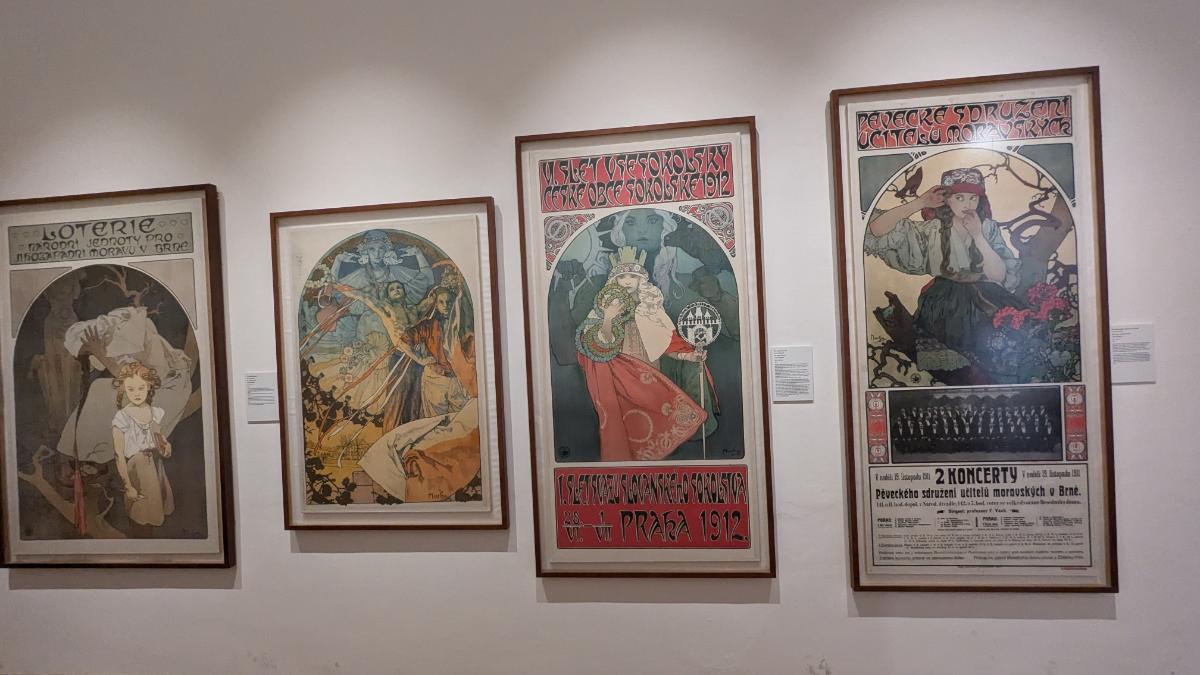
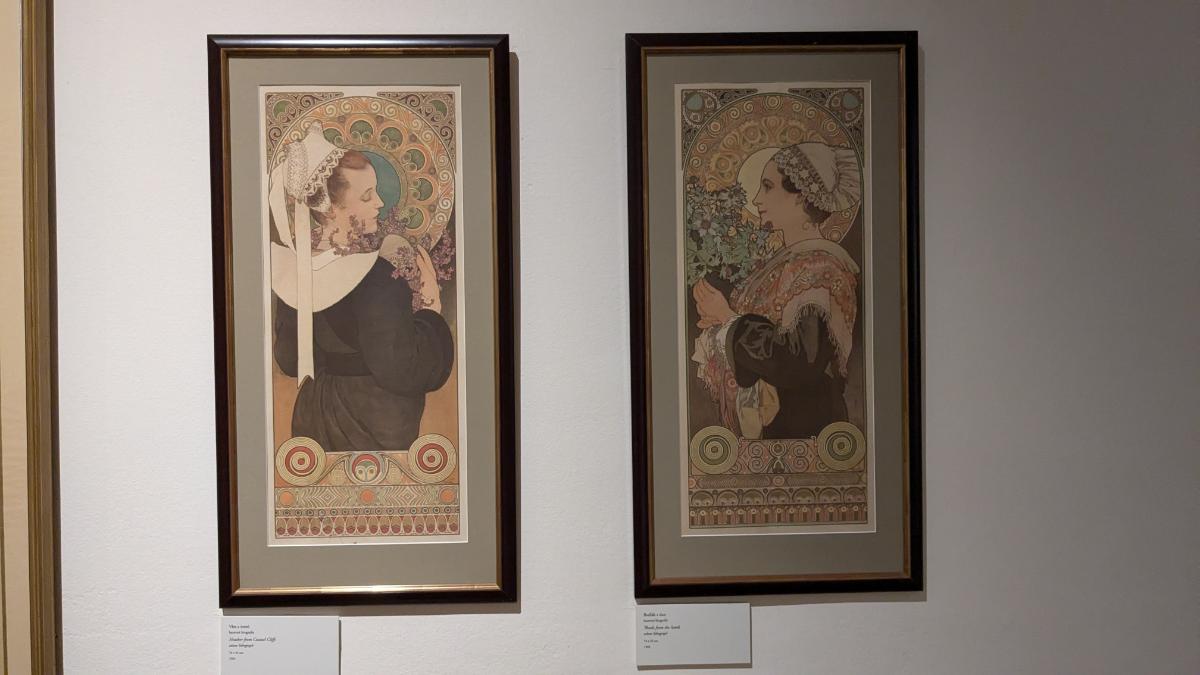
When everything started to fall apart, in 1918, Czechoslovak political activist and philosopher Tomáš Garrigue Masaryk, served as the first president of Czechoslovakia until 1935. One of the most famous streets in Zagreb, stretching from Croatian National theater to the Zrinjevac park, bears his name. The beloved Masarykova ulica.
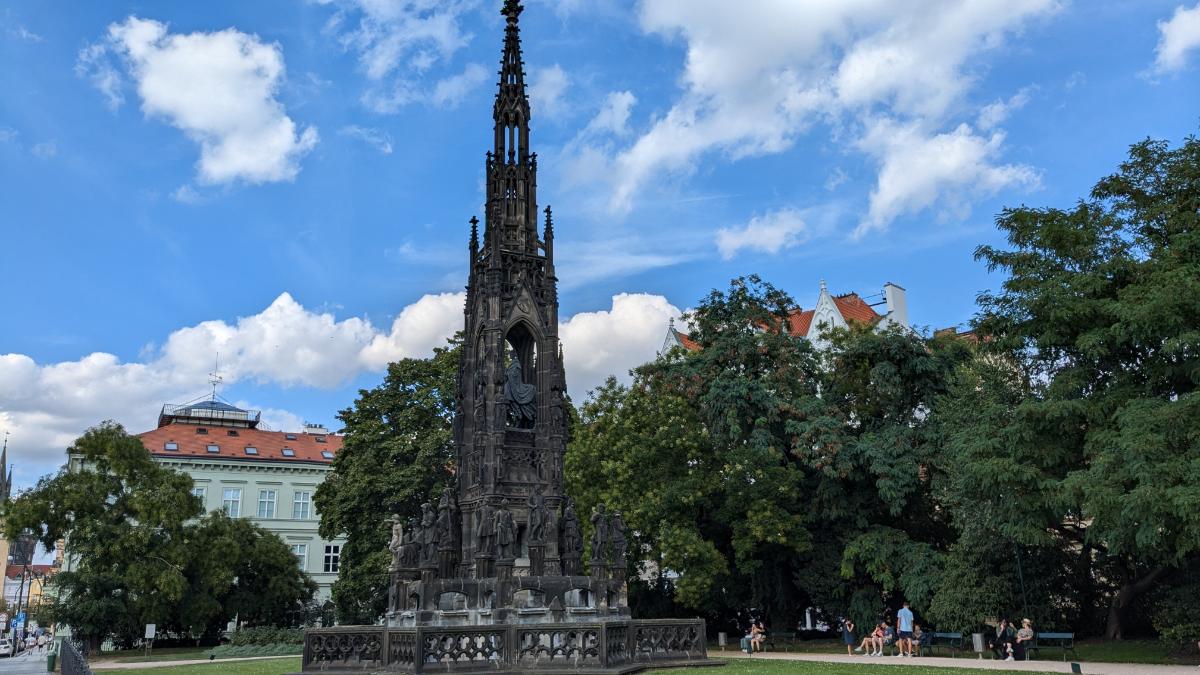
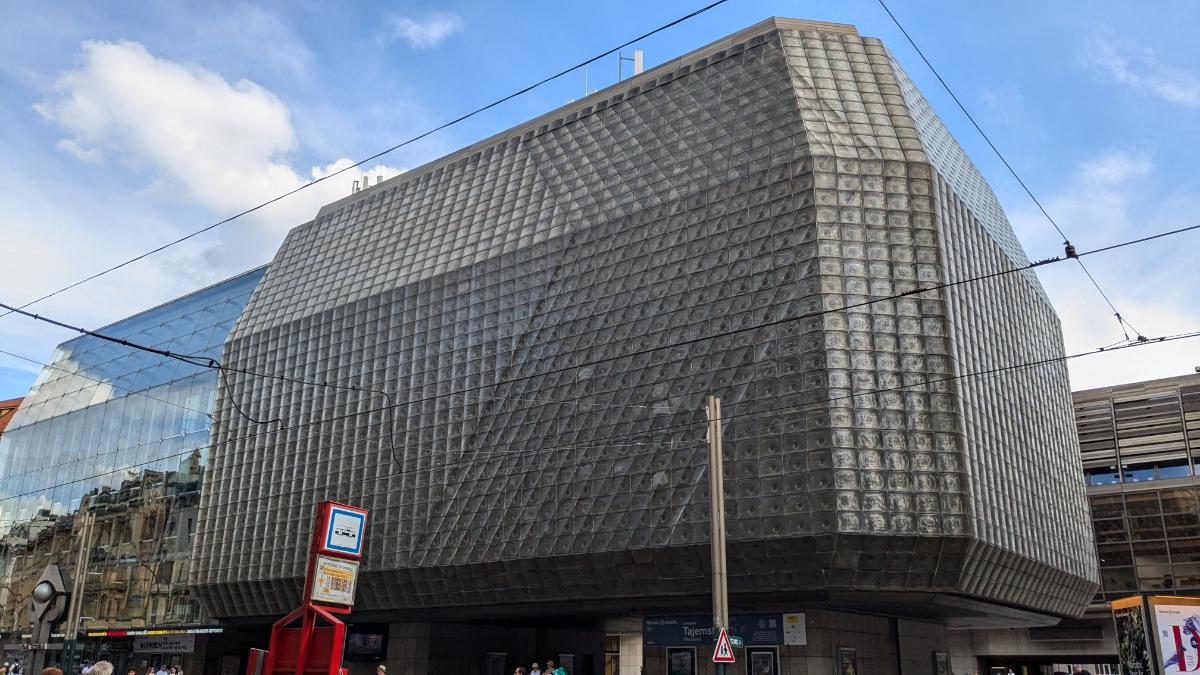
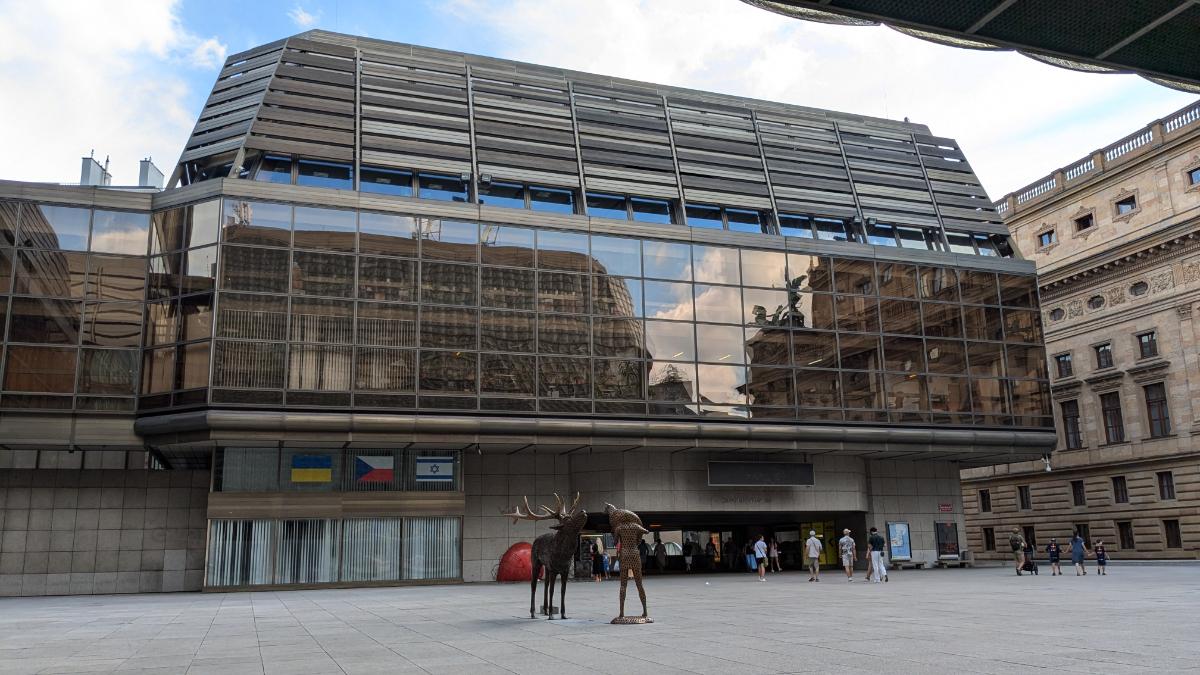
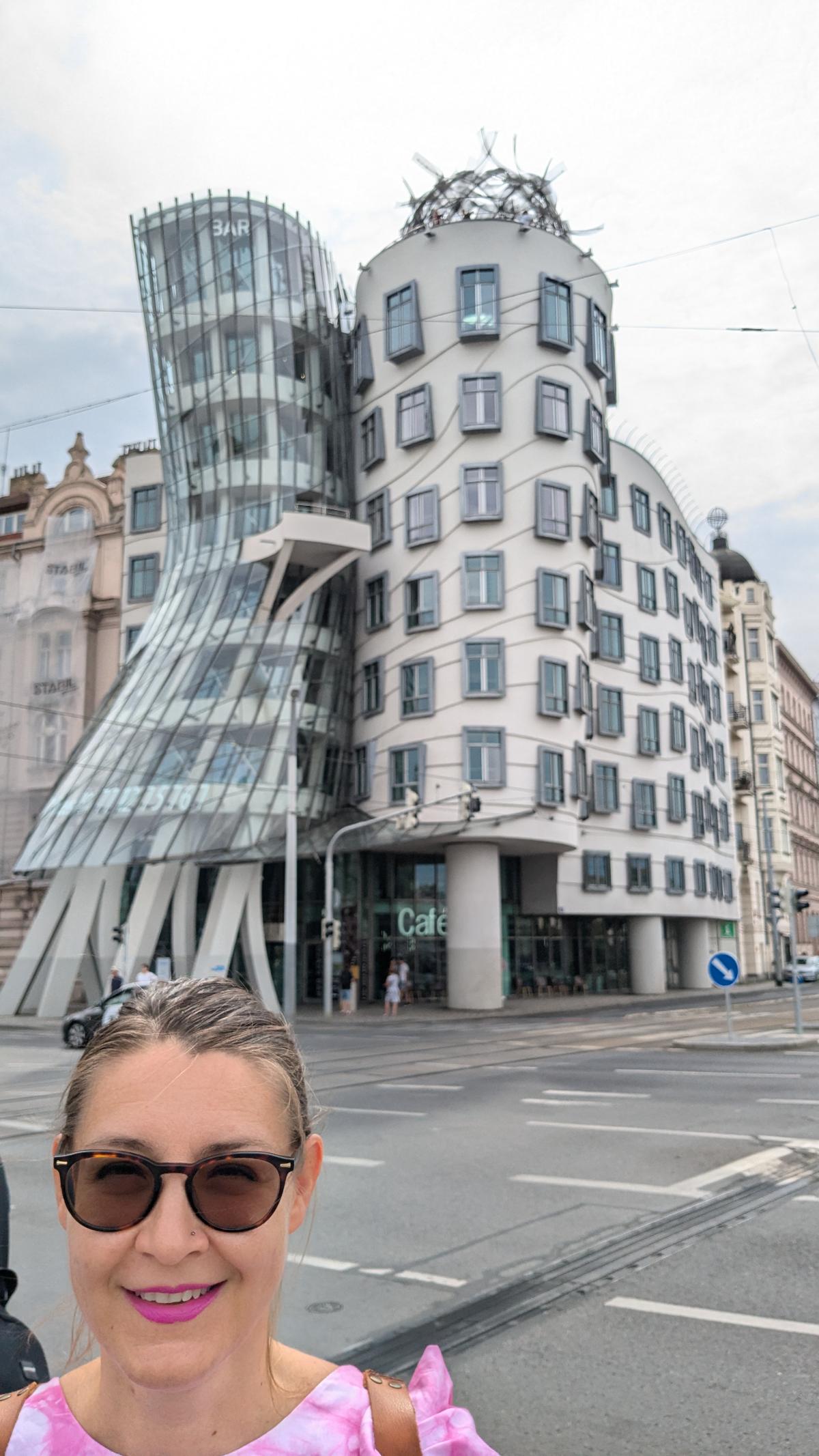
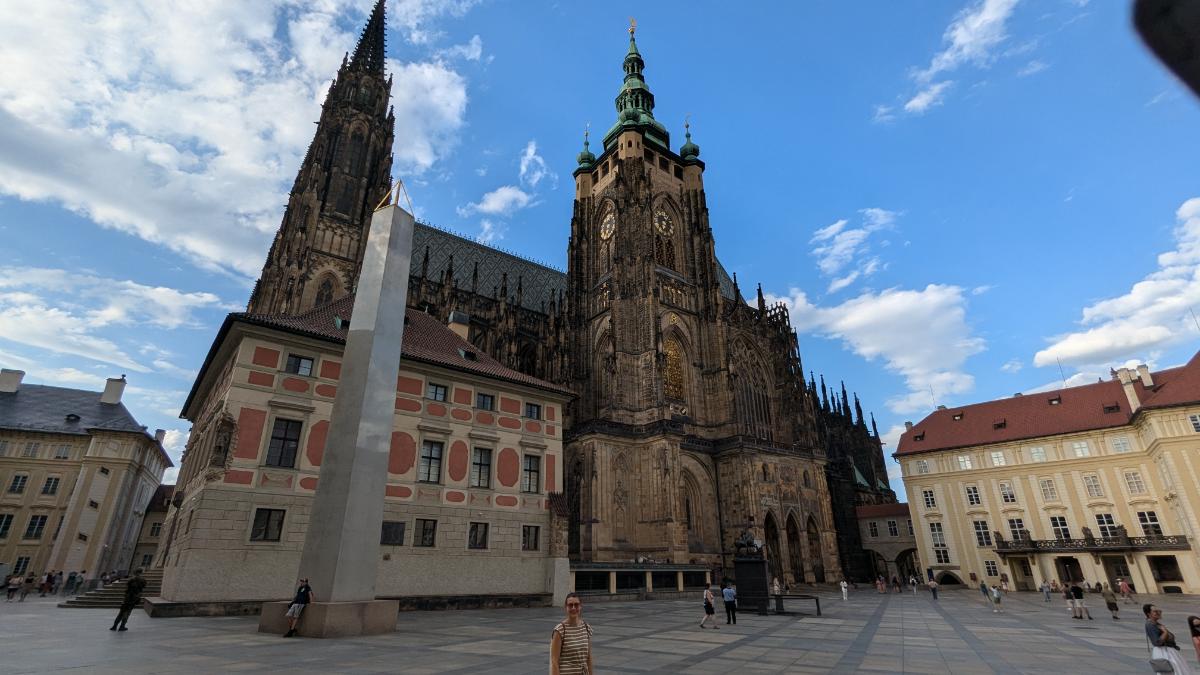
In the 20th century, the city entered a new and difficult chapter. During World War II, Prague fell under occupation, and many of its people suffered greatly. After the war, the country came under communist rule, and life changed again—strict, controlled, and often uncertain. Yet even in those years, Prague’s spirit remained alive in its culture, art, and quiet resistance. Something, we Croats know and recognize quite well, although our coming out of age didn’t go as planed. The Czech were not ruined by the war and separation from sister country, Slovakia.
Instead they have entered a new, modern Eurozone history in the most dignified and simple way, becoming a model city for the rest of the Europe.
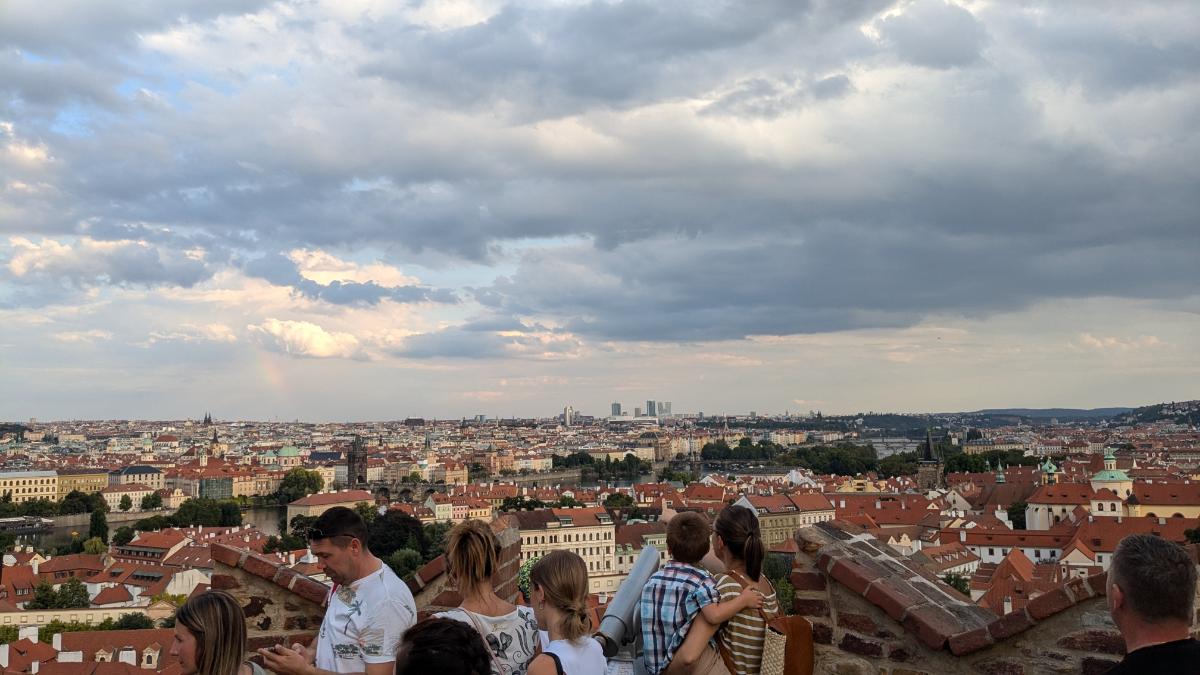
Full of life, creativity, and history, Prague today is visited by ove 8 milion visitors a year, all of them standing on the Karluv most in the late afternoon or sipping some of the fines draft beers in the pubs eating dumplings….oh wait, that is another post 😊
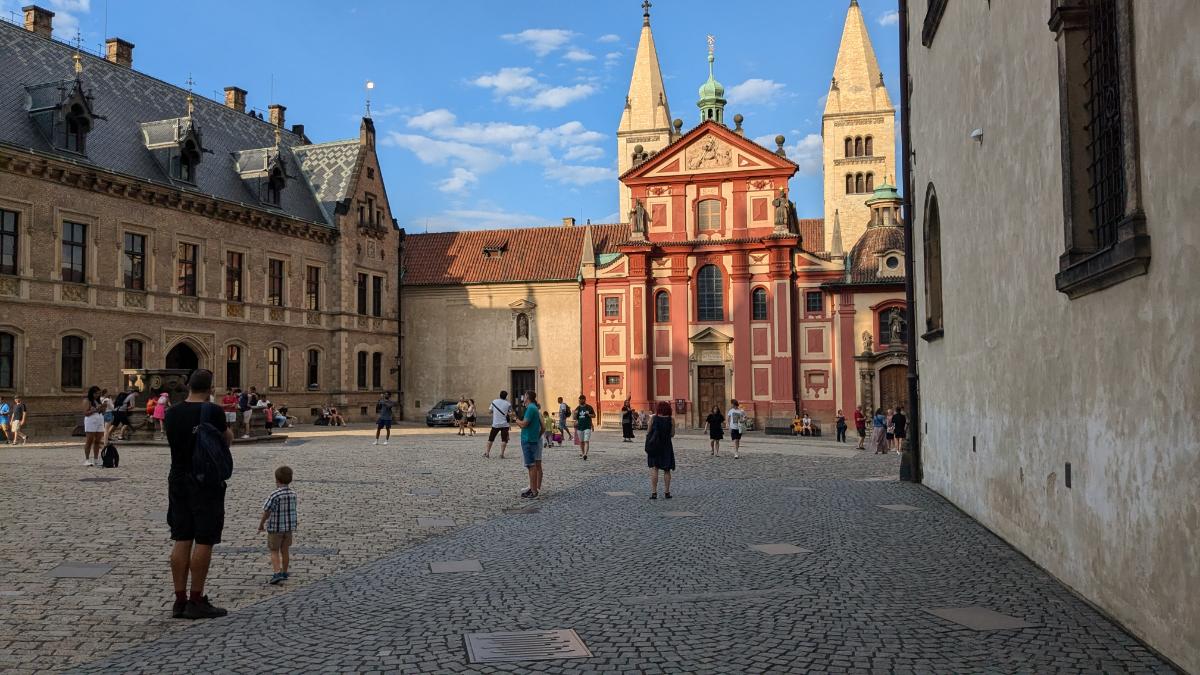
All jokes aside, the city is probably one of the holy trinity to visit by average tourist (Amsterdam, Prague, any city in Italy basically <3) and one can not blame them, as the Prague ancient castles, medieval streets, and modern neighborhoods all tell the same story: a city that has grown, struggled, and risen again through history.