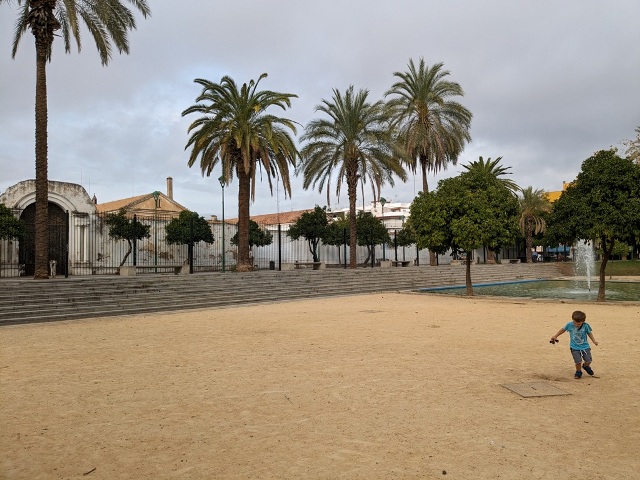
After almost a full week in Sevilla, our next destination was Cordoba.

We arrived early in the day, with no pressure at all. Cordoba is just an hour train ride with from Sevilla so having in mind our early check in to the apartment we had plenty of time to arrive to the train station, walk around a park in Cordoba, have a snack, walk the streets for the M nap and even get some groceries along the way.


We had a killer Airbnb located a bit further out of the city center but it turned to be a perfect amount of walking to tire out our toddler. In addition, the bus ride was affordable and fairly easy. That is, as long as you get on to the bus in the right direction.
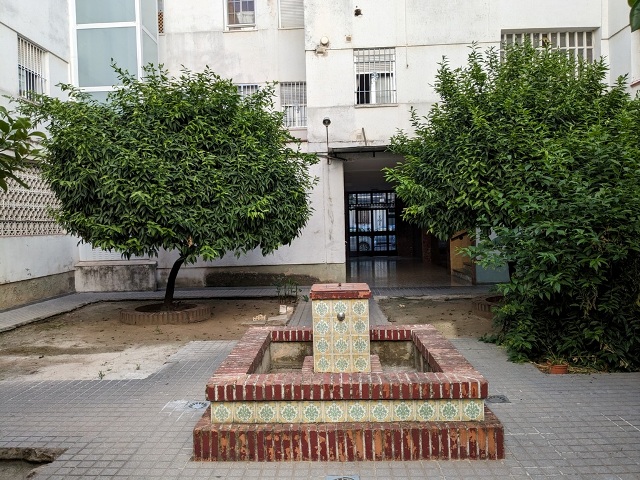
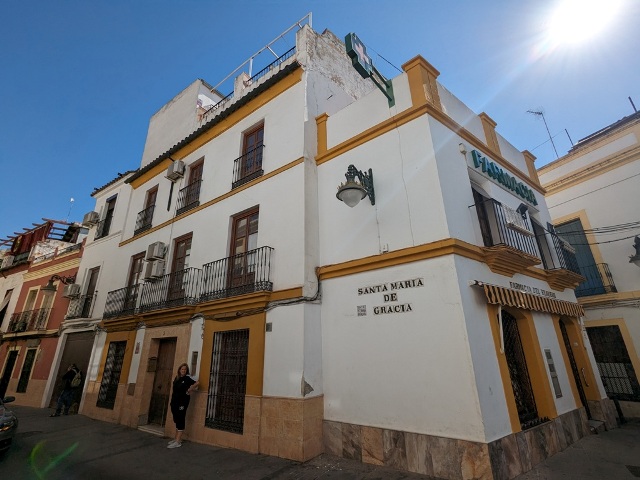
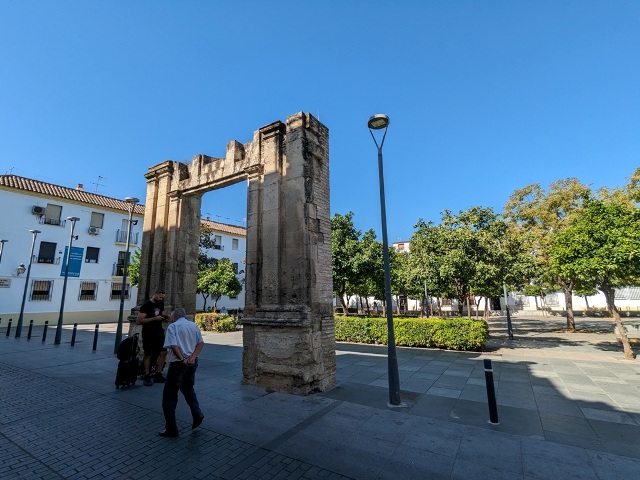
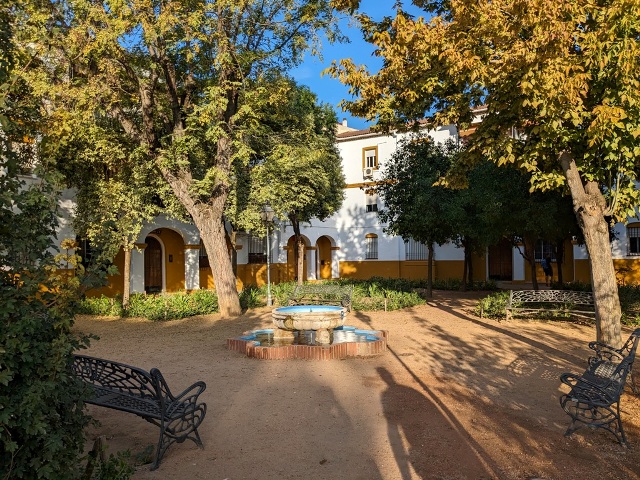
The busses are actually circling around the central part of the city and with a refillable bus card one can plan journey quite easily. I counted how many rides we will have and bought bus ticket accordingly. The bonus was that two persons can use one card, just have to remember to validate it twice.
We had three full days in Cordoba filled with a free walking tour, visit to the Cathedral and Alcazar, a fancy dinner for Debeli and a tons of ice cream for all of us.
Cordoba might be one of the most beautiful cities I have ever visited. There are not enough adjectives to describe it other than breathtaking.

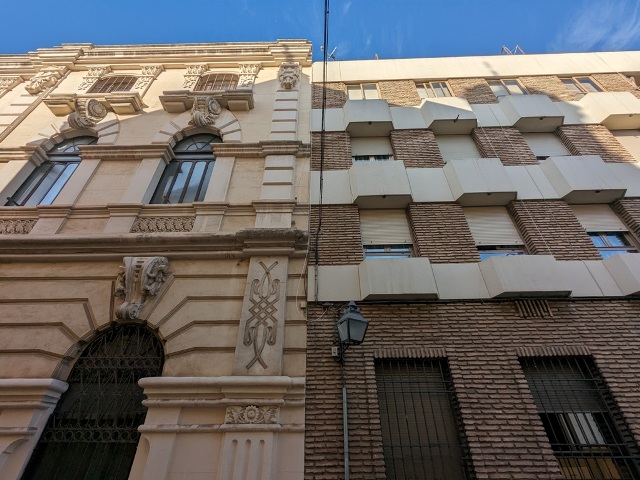
Even being the third most most populated municipality in Andalusia it didn’t feel that way. Busy touristy yes, crowded even in the October for sure, but not overwhelming.
And oh my God, how beautiful it was.

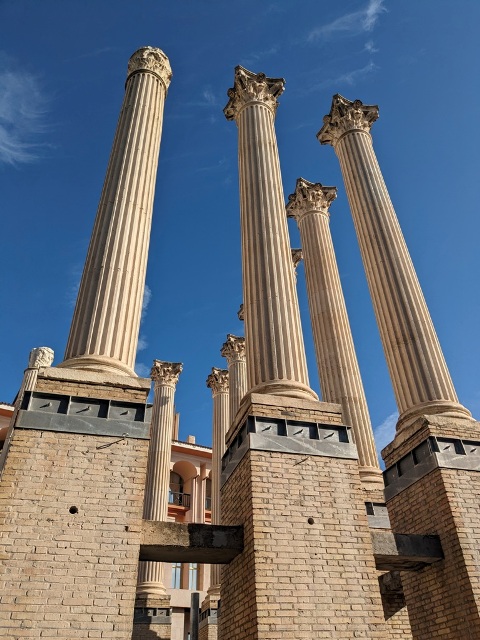
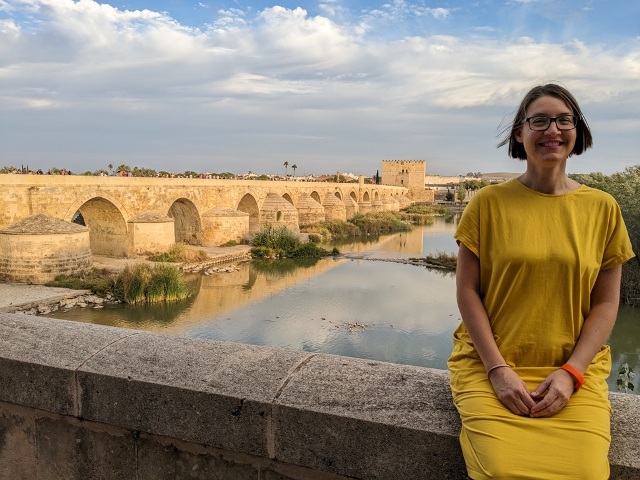
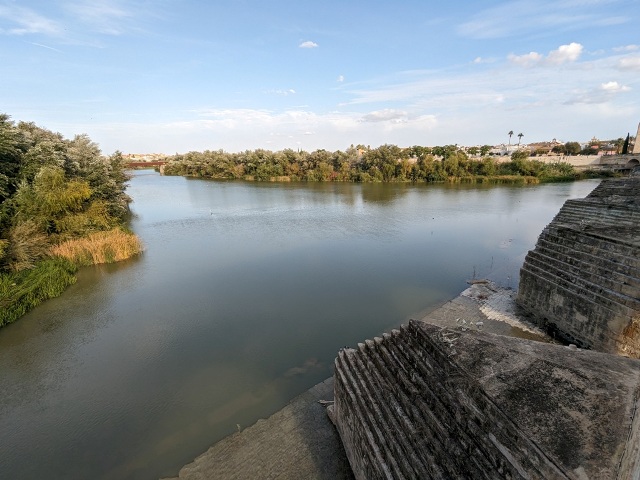
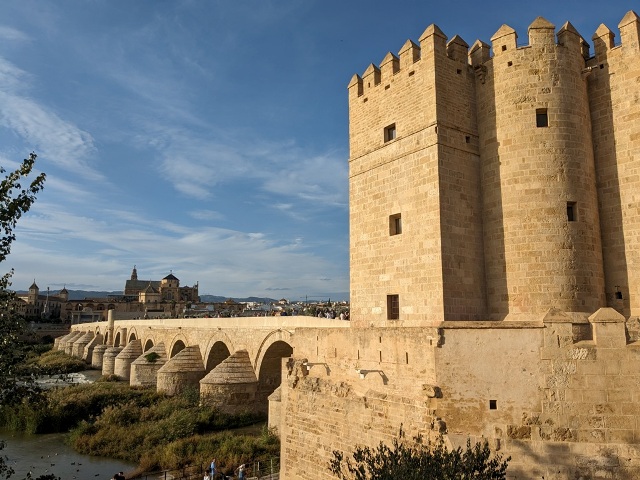
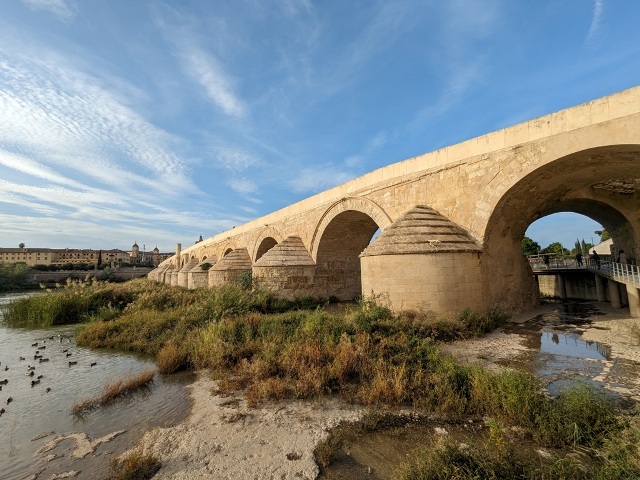
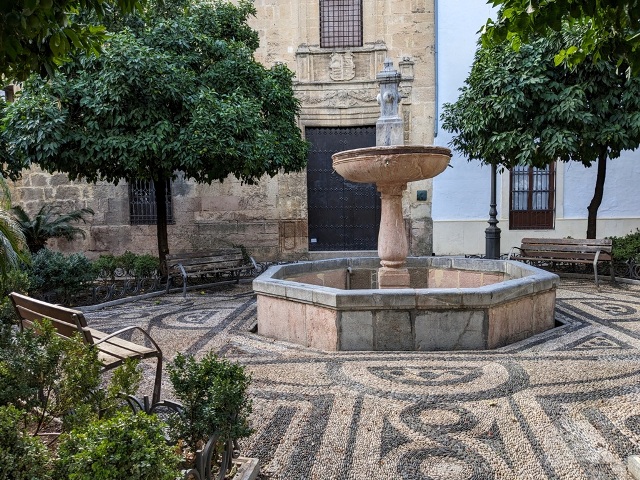
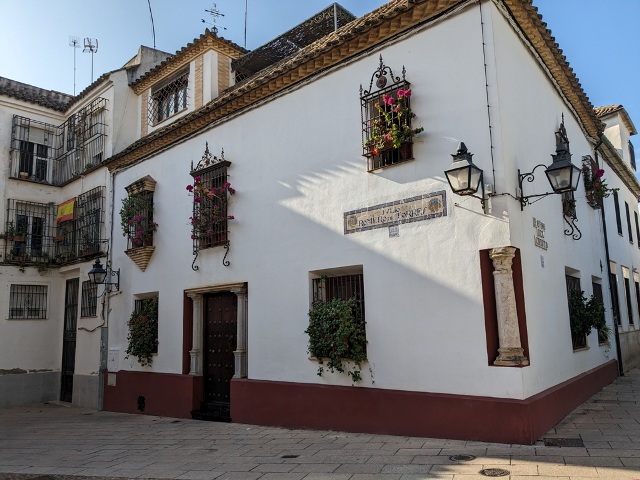
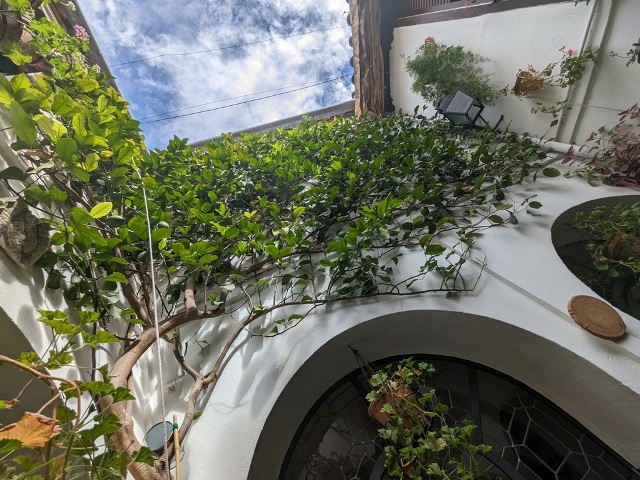
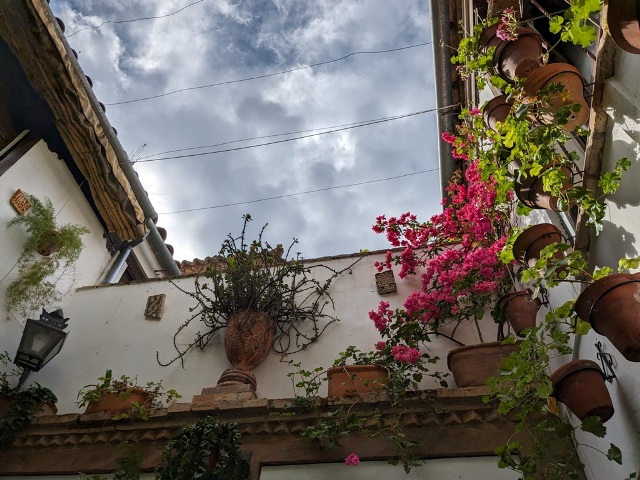
Situated on the right bank of the Guadalquivir river, once a Roman colonia, taken over by the Visigoth Kingdom and followed by the Muslim conquest in the eighth century, Cordoba is a historically and artistically layered onion. Every corner tells a story and every courtyard is a botanical garden of its own.
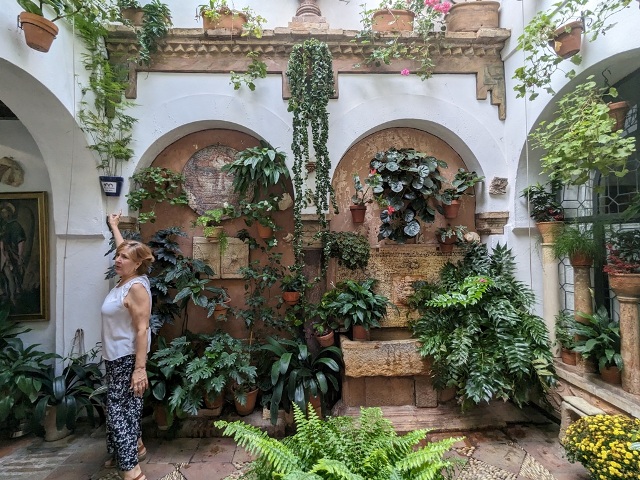
Declared as the World Heritage, Patios (courtyards) de Cordoba are national treasure and a must stop for anyone visiting the city. Many of the courtyards are available for a year round visits, with some accepting small support fees but often followed by a personalized stories and a demonstration of watering the high situated flower pots.

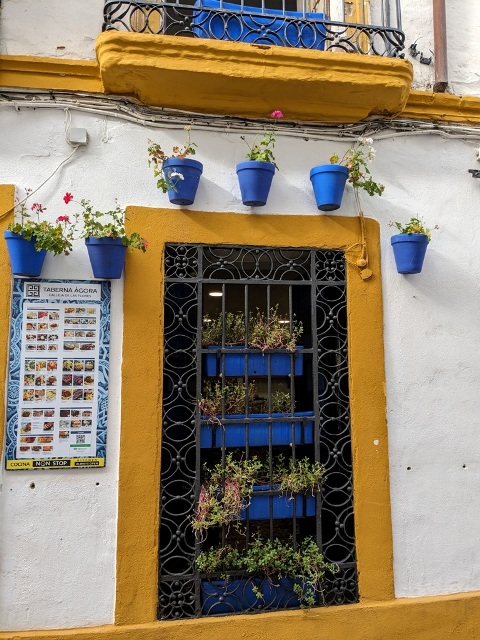
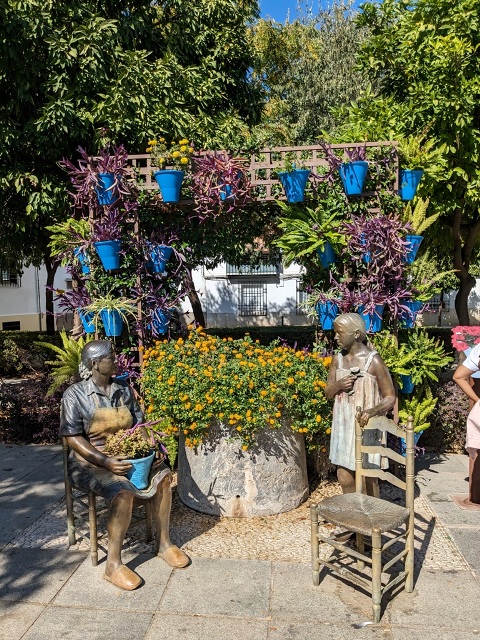

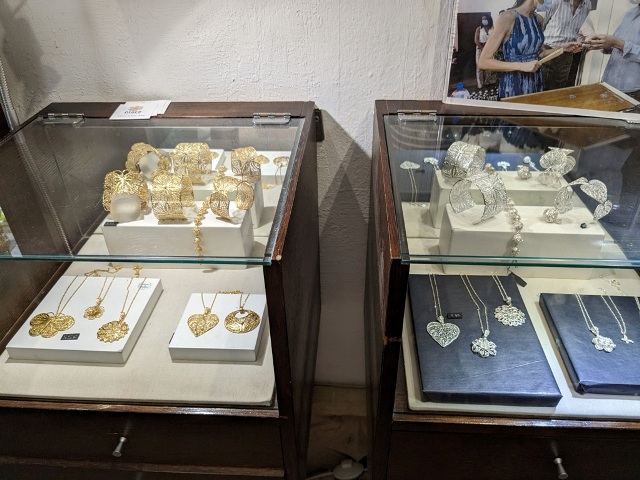
Many of the courtyards are home to small artisan shops that sell perfumes or fragile filigree jewelry typical of the area, Plata Cordobesa.
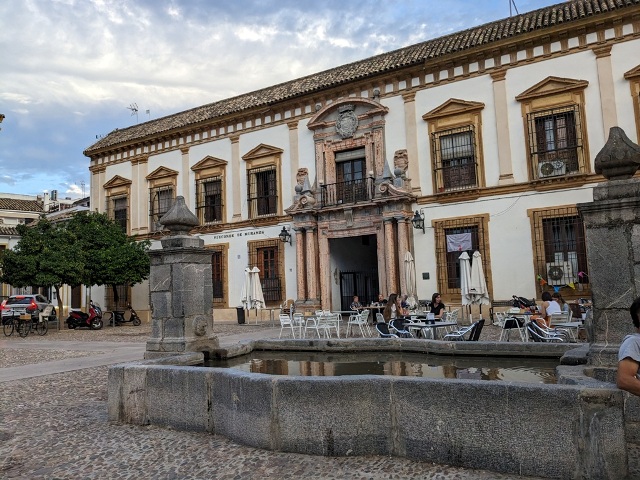


Even as someone that wears no jewelry other than a nose piercing, I could not resist to the beautiful handmade details so I had to get some for my girls in the family. Gorgeous earrings and necklaces, or bracelets can be even bought on line and delivered to your address: https://plata-cordobesa.es/
Beside the cobble stoned pathways and picturesque courtyards, the highlight of our visit, for me, was the Mezquita-Catedral de Córdoba.
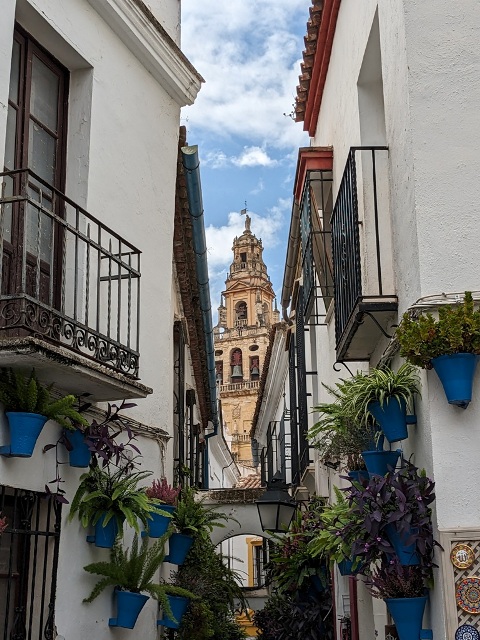
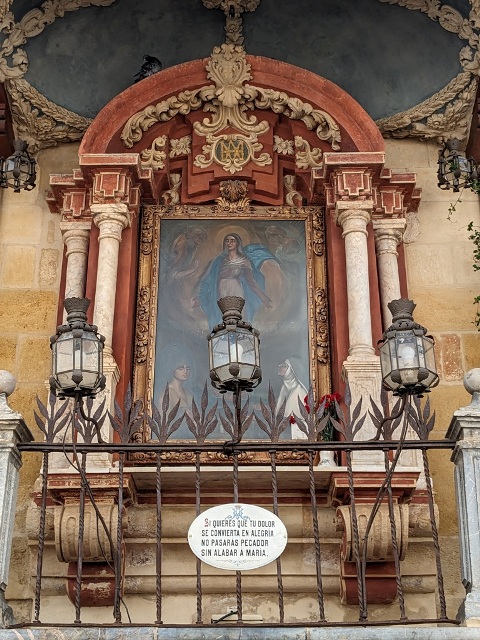
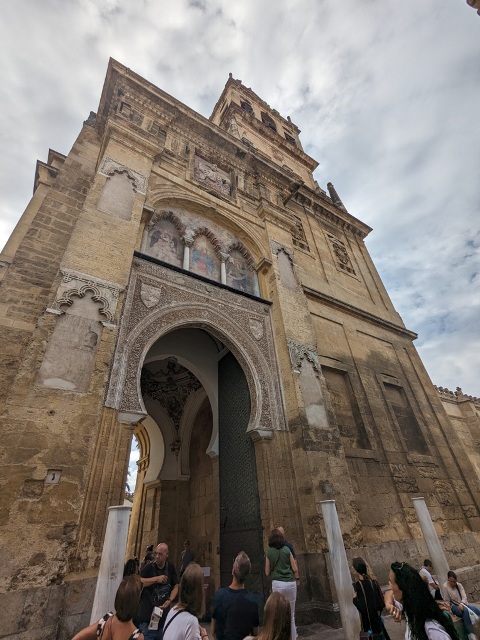
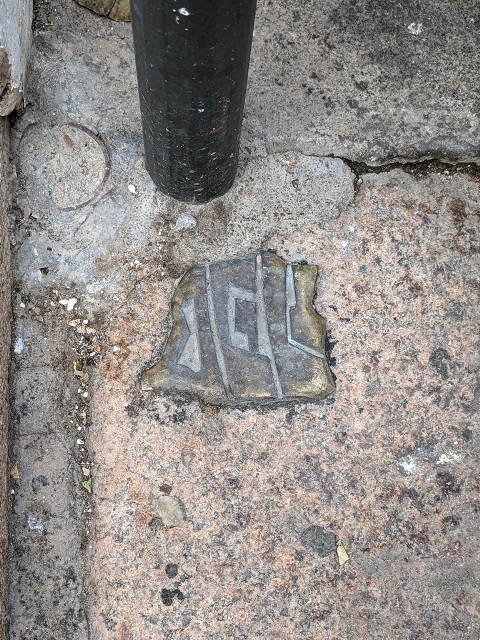
Constructed in 785 on the orders of Abd al-Rahman I, founder of the Islamic Emirate of Córdoba it was expanded multiple times and finaly converted to a cathedral in 1300 during the Reconquista.
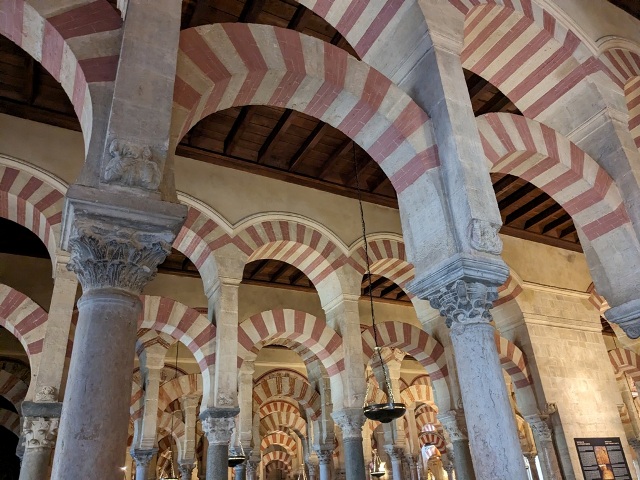
The nave and transept were inserted into the center of the building some three centuries later as well as the former minaret, which had been converted to a bell tower.


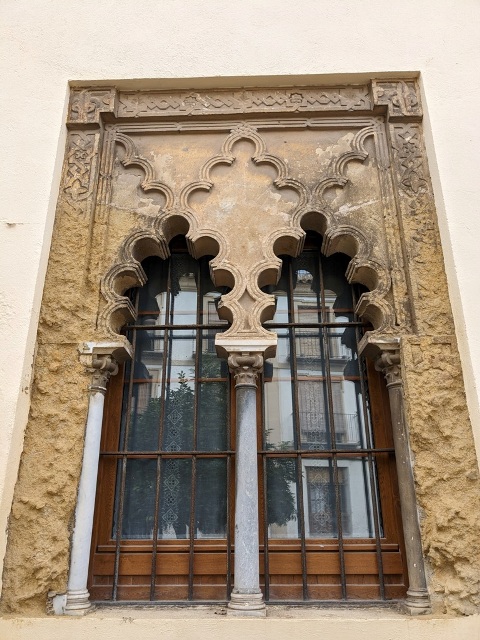
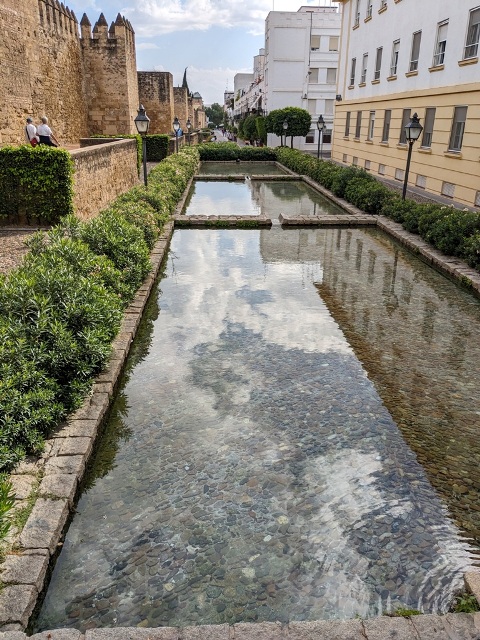
Today, the building continues to serve as the city’s cathedral and Mass is celebrated there daily.
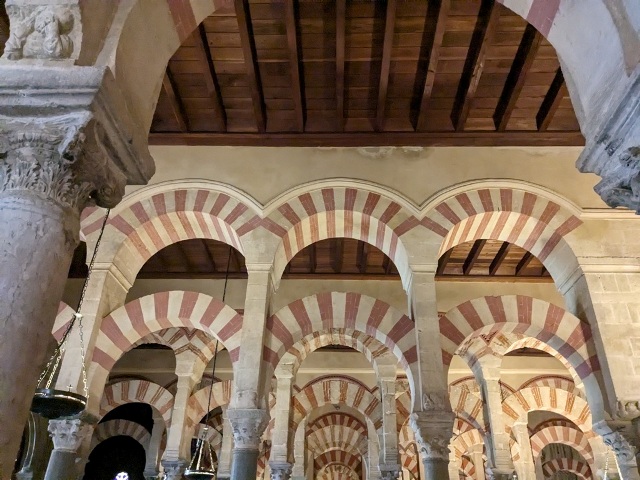
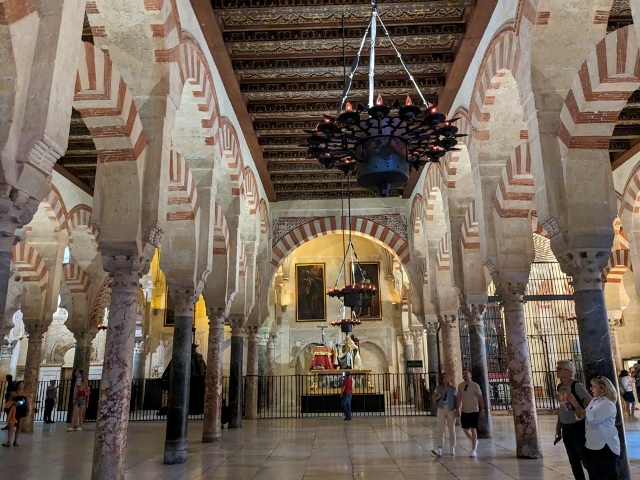
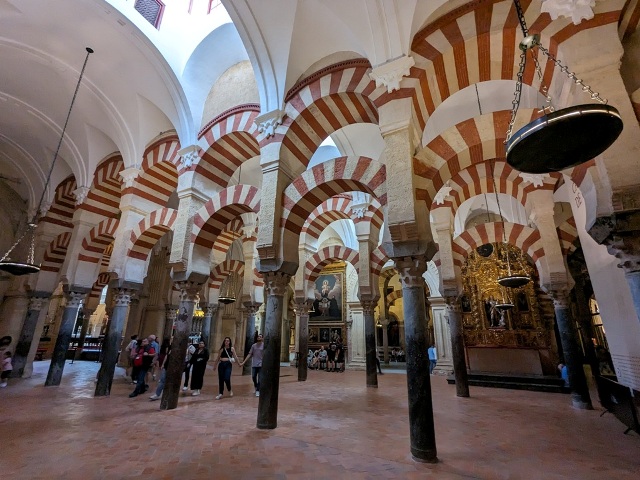

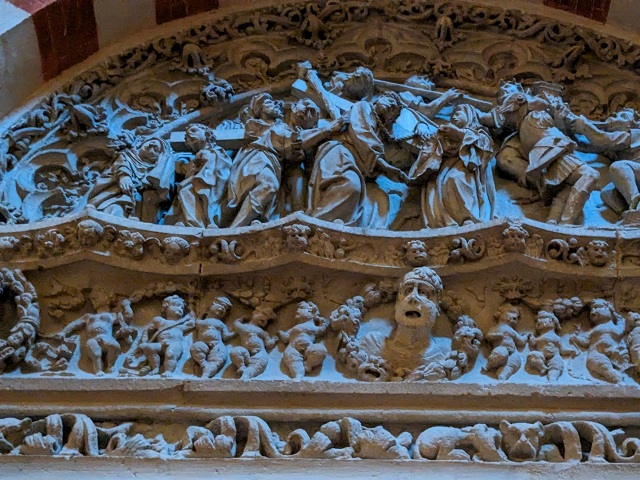
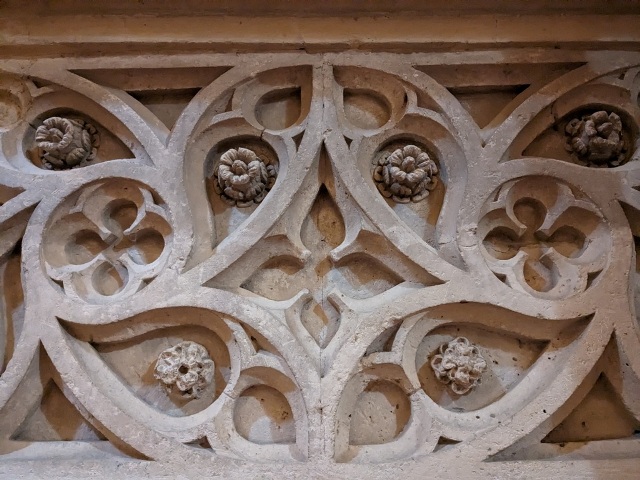
The building is a magnificent example of two coexisting religious spaces, the Christian one and the Muslim one. Beautiful example of architectural forms characteristic for both cathedrals and mosques.
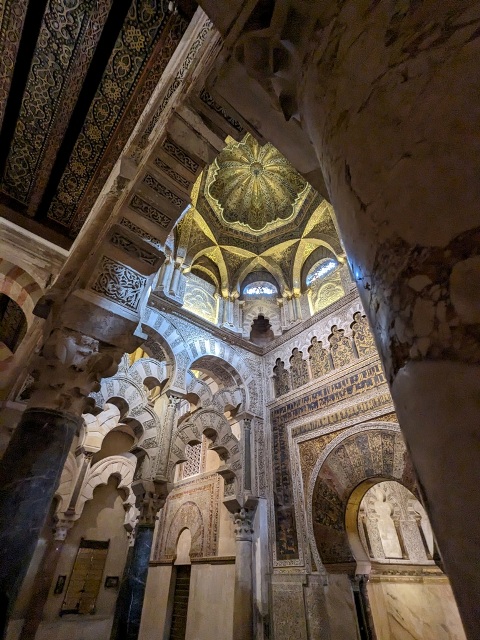

The visual accent is on the red white marble arches but its hard not to be mesmerized by the ceiling details or decoration.
With Moorish influenced past Cordoba is no exception to the magnificent fortified structures.
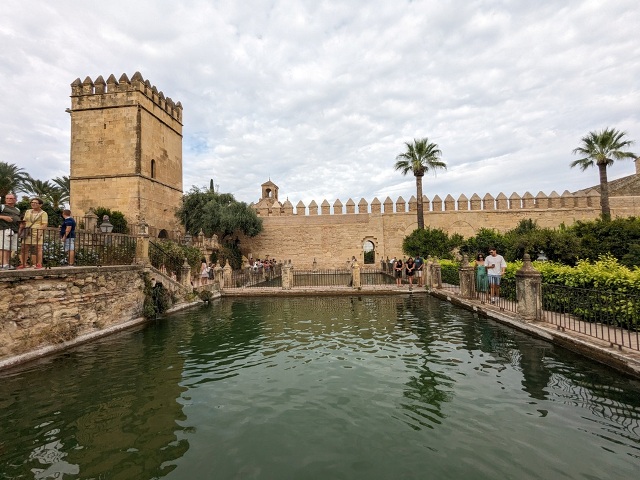
Built in early 1300 the Alcázar de los Reyes Cristianos (Castle of the Christian Monarchs) the fortress served as one of the primary residences of Isabella I of Castile and Ferdinand II of Aragon.
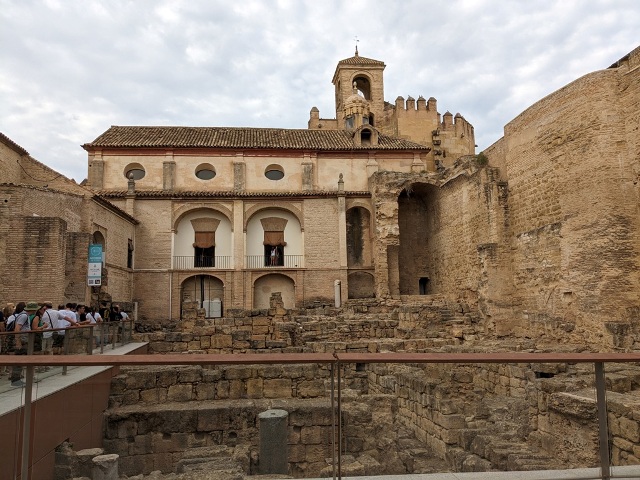

The lovely royal couple were known for being the first monarchs to be referred to as the queen and king of Spain, respectively. Among other things they were responsible for completion of the Reconquista, mass expulsion of Jews from Spain that initiated the Spanish Inquisition, financing Christopher Columbus’s 1492 voyage to the New World, and establishing the Spanish Empire, making Spain a major power in Europe and world wide.
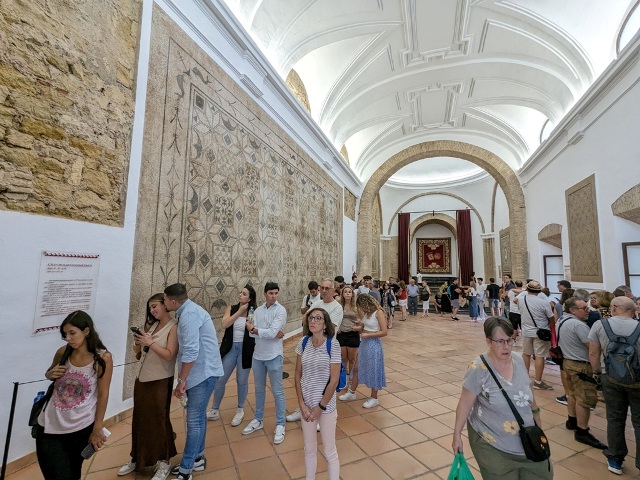
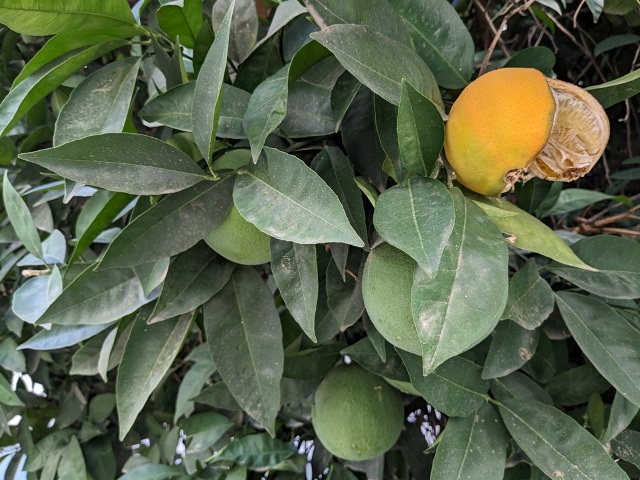
The interior with is magnificent halls and roman mosaics were impressive however we were focused on the 55 000 m2 courtyard with forest species including palm, cypress, orange and lemon trees, surrounded by a number of elegant fountains and ponds.
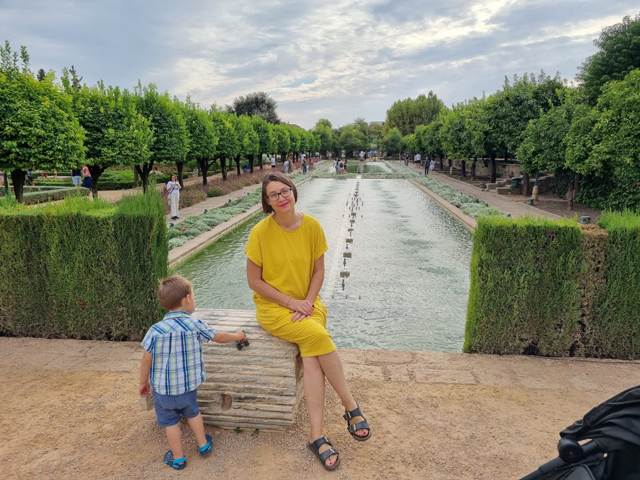
The gravel ground and the open space was a fantastic running area for our toddler. We counted that he had around 7km in his feet before leaving the park.
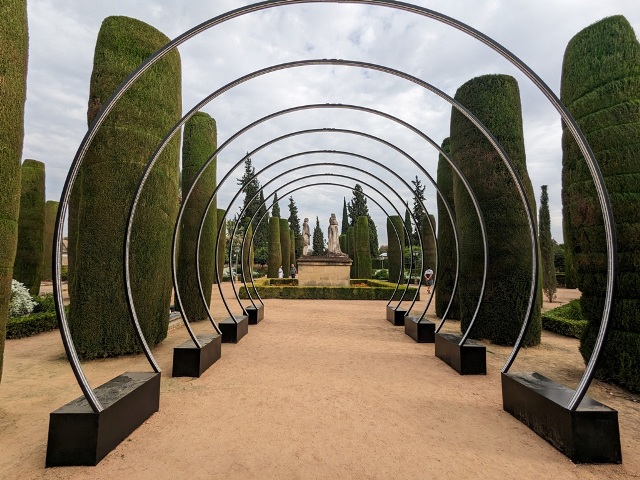
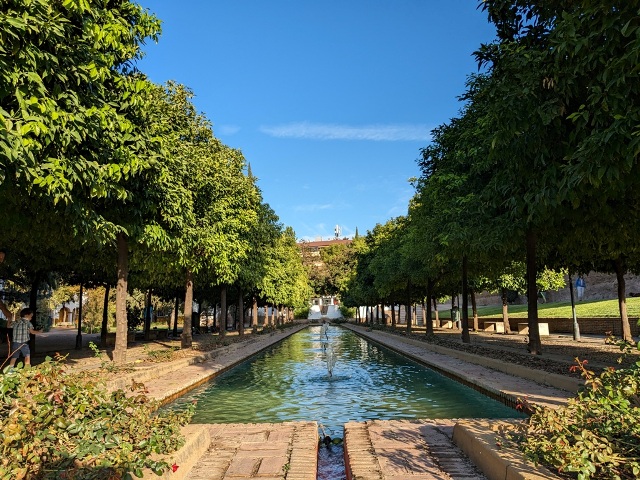
As the other visitors were navigating their way on the King’s Avenue or Promenade of Kings (Paseo de los Reyes), an avenue bordered by lines of cylindrical cypress trees and divided into two paths by two narrow ponds, I rested on one of the stone benches looking on the running kid and admiring all the beauty of the garden.

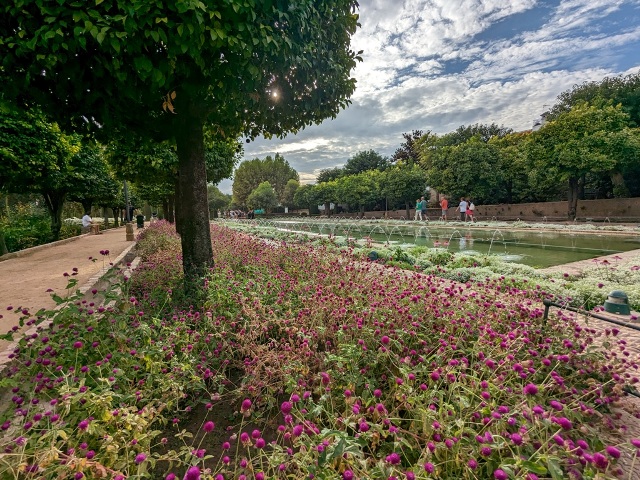
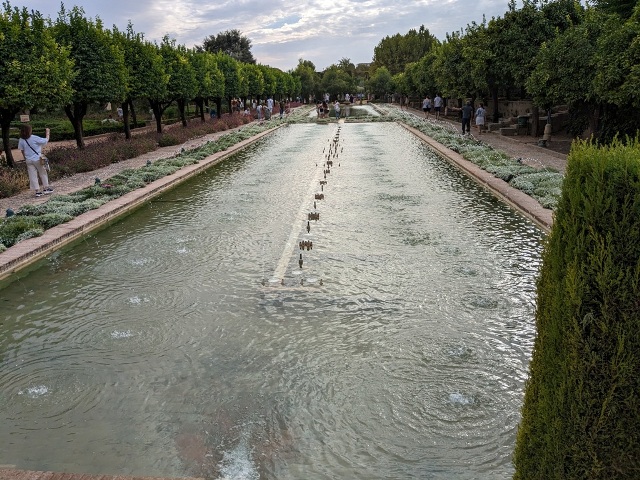

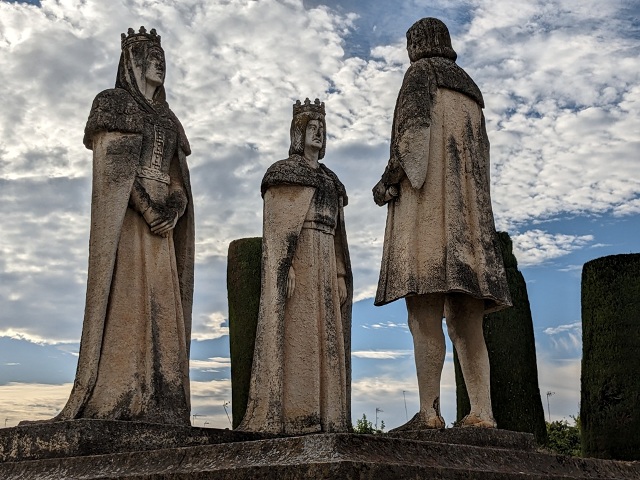
The most magnificent central piece was definitely the quadruple sculpture statue representing the major figures in Spanish history of the time.
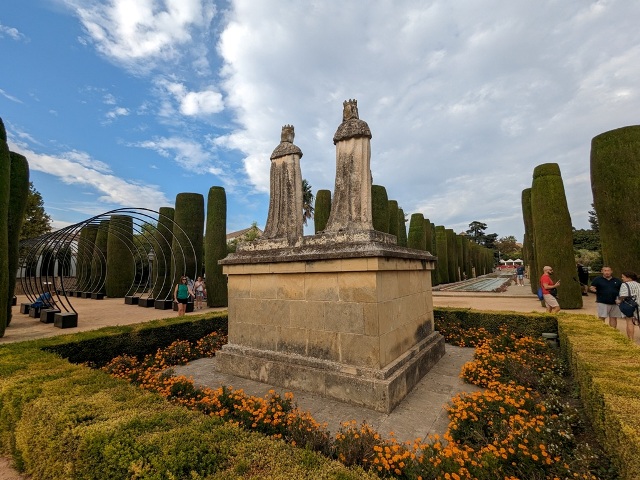
One sculpture represents Christopher Columbus with Queen Isabella and King Ferdinand, commemorating Columbus’s first meeting with the Catholic Monarchs which took place in the Alcázar.
Cordoba is definitely underrated by the travelers of Nordic region but maybe because of that it makes it even more charming and appealing. Thanks to the well preserved historical structures it is giving a special felling when walking the old narrow streets in search for some delicious local food. That city is one of the few I would like to go back. At least to get some fine hand made jewlery!