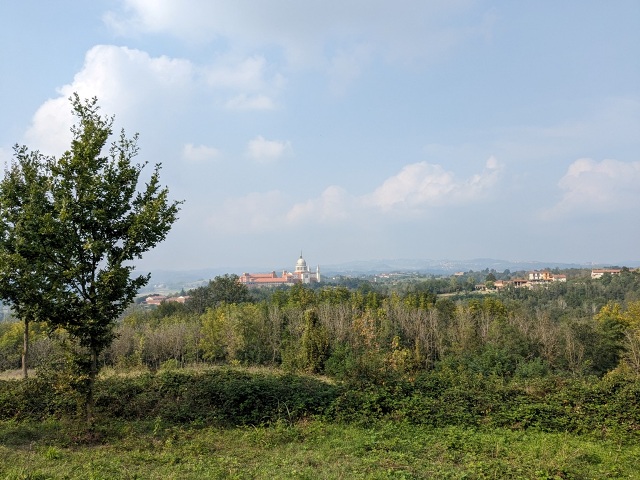
One of the most memorable Italian trips was the one where we ate our way through Emilia region. On the one-week long trip we went beyond the old boring pack your bag, visit a museum type of trip. I mean, we came back home with a suitcase of mortadela from Bologna. What can I say.
Wanting to do something similar again, as three weeks in Italy and Spain in 2022 with a baby were a challenge on its own, so no such explorations were possible, I did a very detailed research and search of the tasting tours in the Torino area.
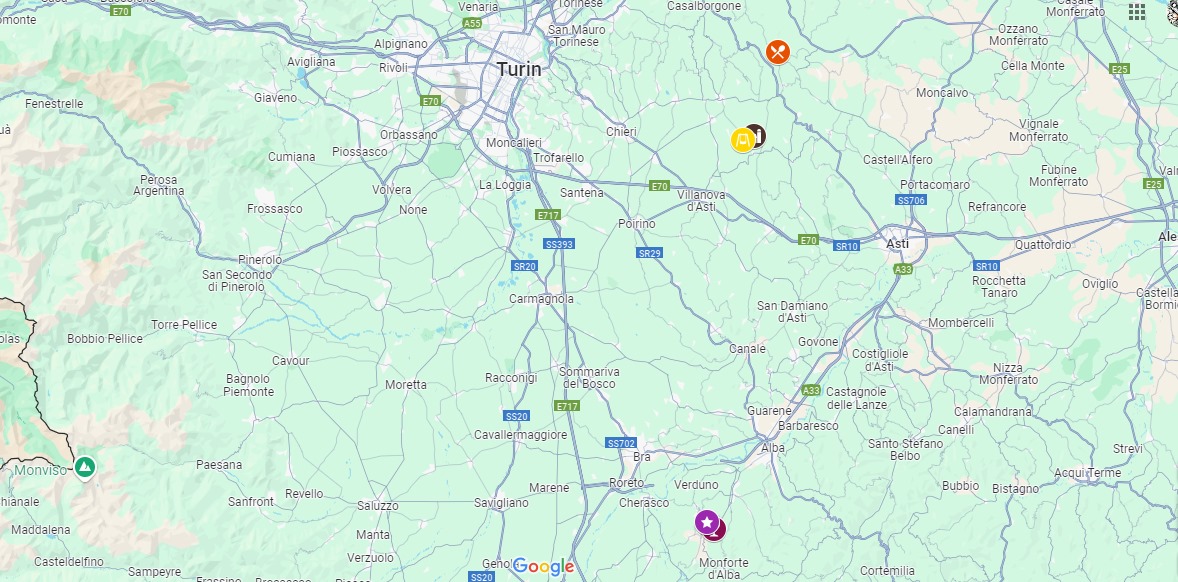
This part of Italy is known for a large production of red wine, both barbera and barolo as well as robiola, bra and toma cheeses.
Finding a winery with a tasting was easy, but caseificio (cheese factory) not so much. Ever since the 2020 pandemic imposed strict hygienic regulations, many of the smaller producers stayed closed for public visits. Few of those are still welcoming guests at least for a tasting. One of those was a small goat farm in a village in Province of Asti.
Azienda agricola Capre e cavoli (goats and cabbages) named after an old puzzle of a wolf, a goat and a cabbage is a family run farm in Capriglio.
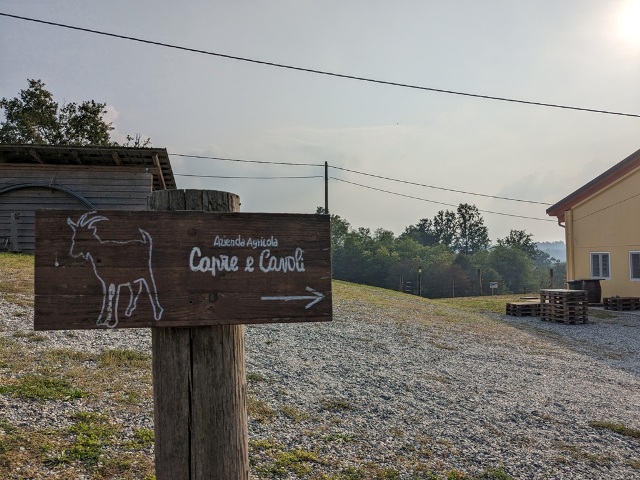
The farm is run by Pompilio family that once lived in Torino city, doing all mundane work, but ten years ago they decided to move to the country and start a business of their own.
Together with his wife, one employee and occasional help from his sons (as they are going to school) Gianpaolo raises currently around fifty female goats, few bucks and twenty baby goats, some born just a weeks before we visited the farm.
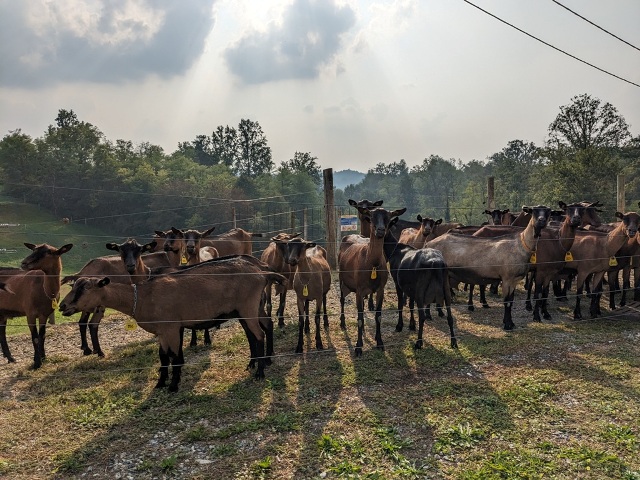
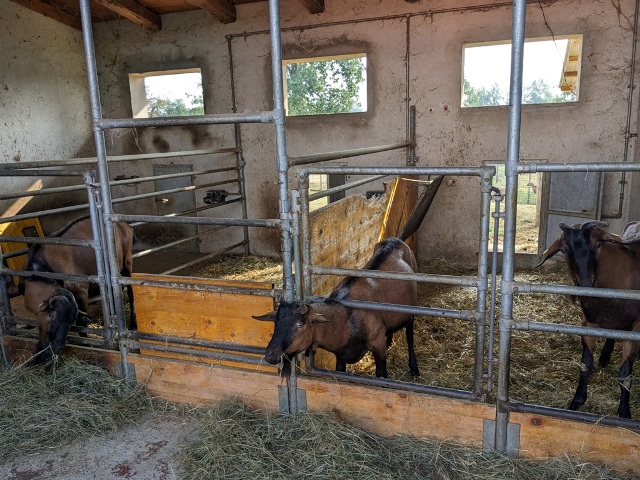
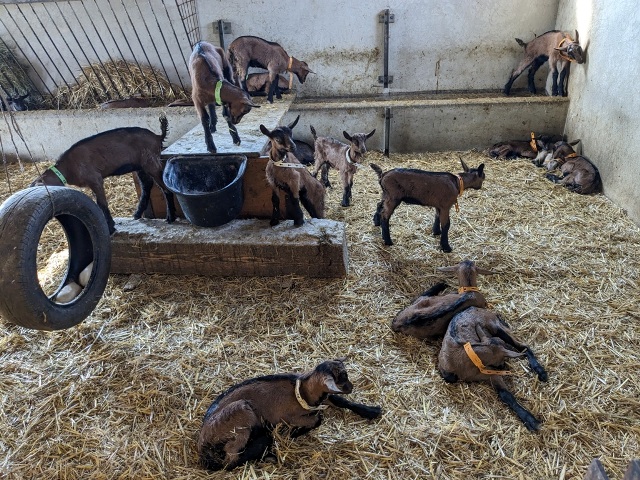
Interested in Norwegian life style Gianpaolo and his wife walked us around the property and introduced us to their curious small and big furry animals and their daily routine.
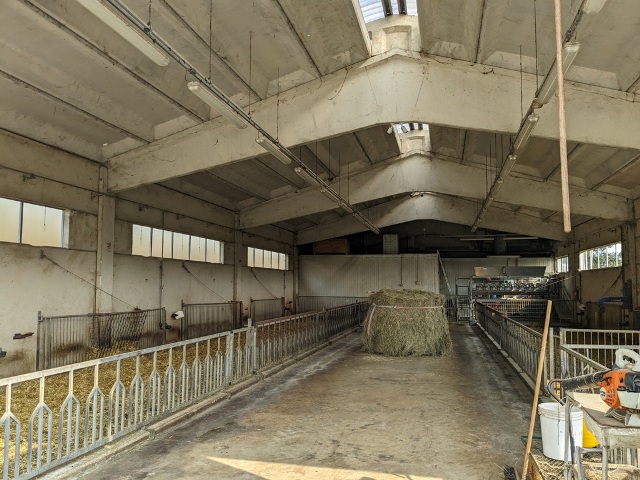
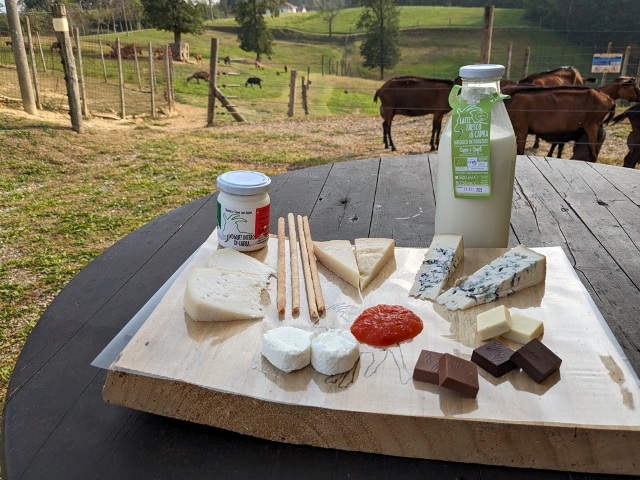
With a scope of producing the dairy products including several types of cheeses, goat yoghurt and milk, their goats enjoy plenty of Piemontese fresh air, grass and water, while we enjoyed a bit of their products.
Respecting the natural well being of the animals to prepare goats for new babies there is no cheese production during the summer time.
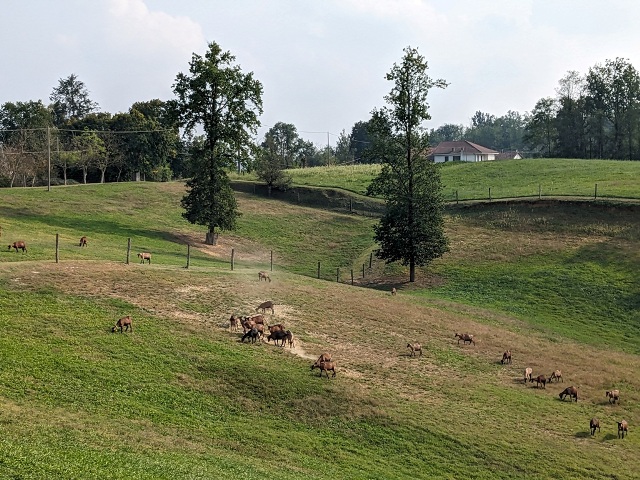
During the active milking period of 300 days in a year, only milk from their goats, rennet and salt are used to make both fresh and aged cheeses.
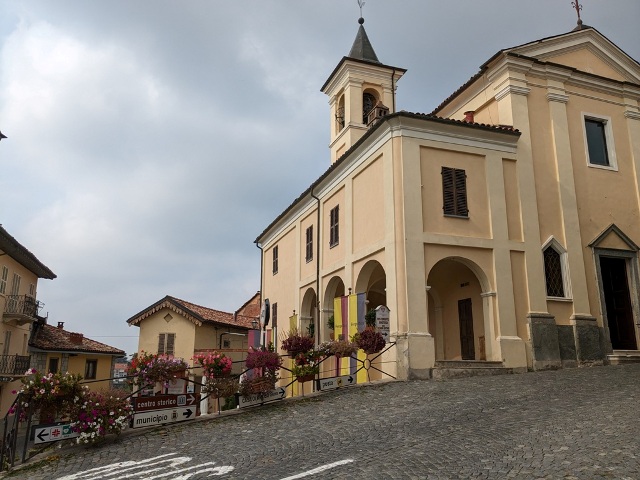
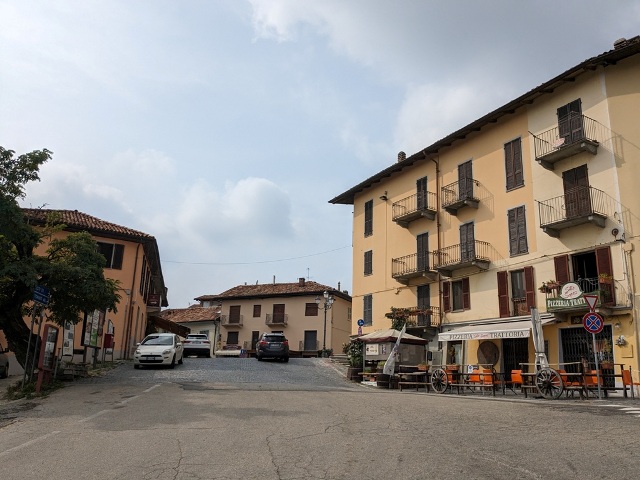
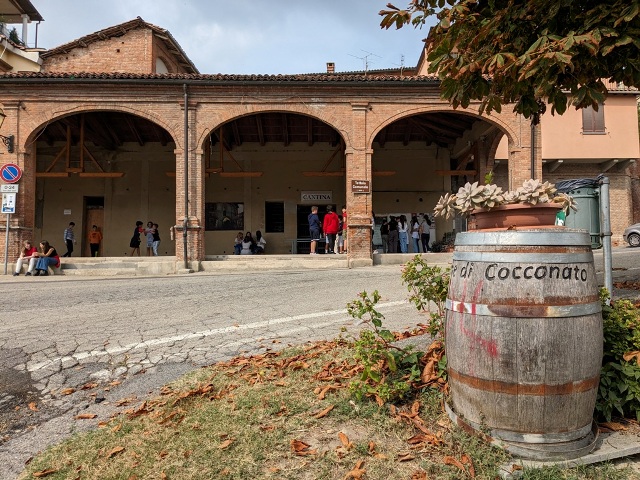
Since the farm cooperates with local restaurants they even recommended us a place for lunch in Cocconato that turned to be one of the best eateries during our stay in and around Torino.
The Pompilio family cultivates presidium pepper as well, one with the ancient origins grown in the area for centuries and handed down from generation to generation by local farmers.
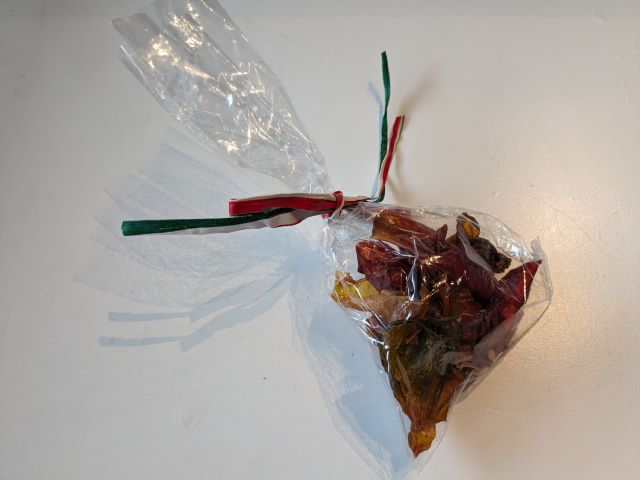
Cultivating the peppers by self-reproducing of the seeds maintaining the genetic heritage they grow the peppers according to tradition. And they generously gave one bach of dried peppers to mix with pasta.
On the way to the farm we had to stop and admire the view from the Big bench, one of many in the area.
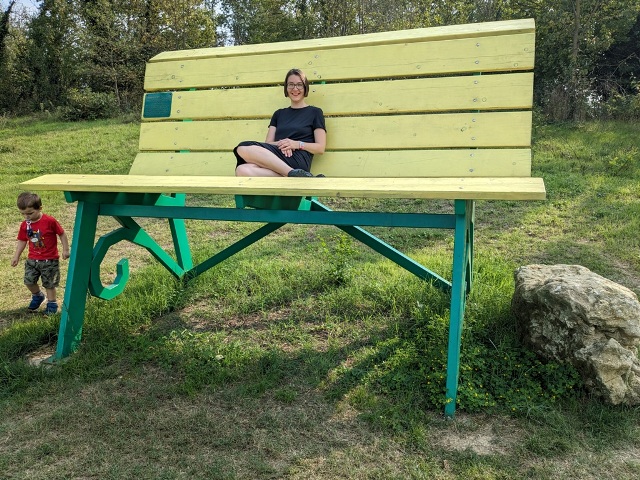
The Big Bench project was started by Chris Bangle, American automobile designer, best known for his work with BMW and Fiat car manufacturers.
The first Big Bench was created in 2010 in Langhe area, near a location where Bangle lived at the time.
The gigantic proportions of benches take one siting on back to the childhood when everything seemed larger allowing us to look in amazement.
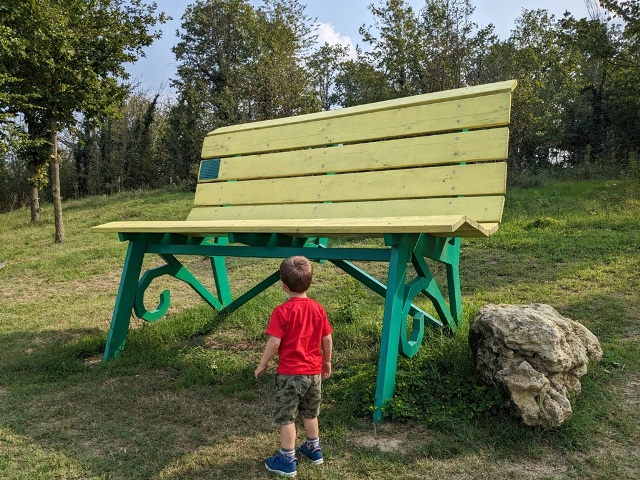
The no profit initiative is supporting local companies, tourism and artisanship in the towns that host these out-of-proportions installations.
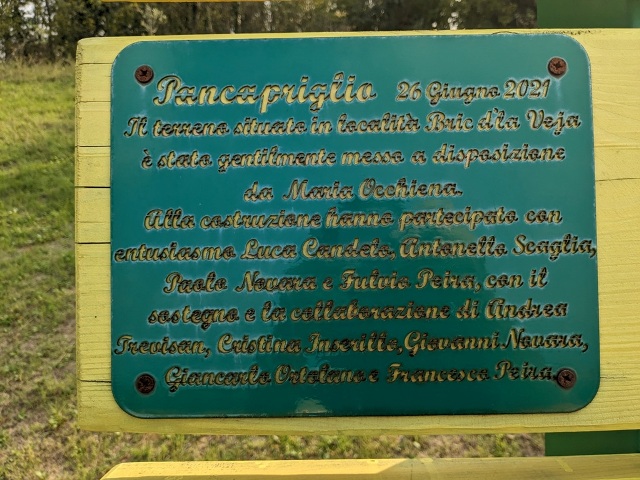
From one Big Bench in 2010 to over 300 nowadays in several countries around Europe, the Big Bench project is open to anyone willing to respect the conditions set by its founder and those are the benches have to be placed in a scenic position, on land accessible to the public, and that they respect the social spirit that gave birth to the original bench: not a private installation, but rather part of a collective experience that anyone coming to this region can share end experience.
And what an experience that day was; from tastings to food, views and art.
Because when you look for art in Italy you don’t have to go far into a museum, you will find it at every corner of the country. In one way or another.
On the hills of Cuneo province, on top of the Nebbiolo grape vineyards, Cappella delle Brunate is one of the most unique chapels one could every imagine.
Built over a century ago, the never consecrated chapel was used as a shelter for vineyard workers and later as a farm equipment storage.
When the new owners of the land befriended British-Swiss artist David Tremlett, they allowed him to do a new interpretation of the old chapel. Tremlett worked with fellow artist, American minimalist movement representative, Sol LeWitt and together they created the boldly colored chapel now main attraction in the area.
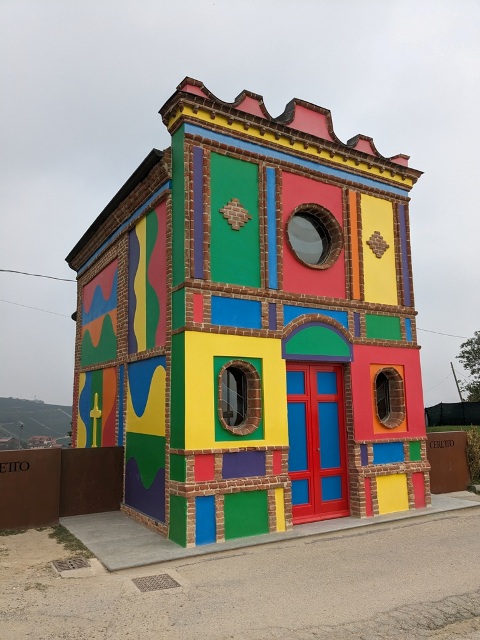
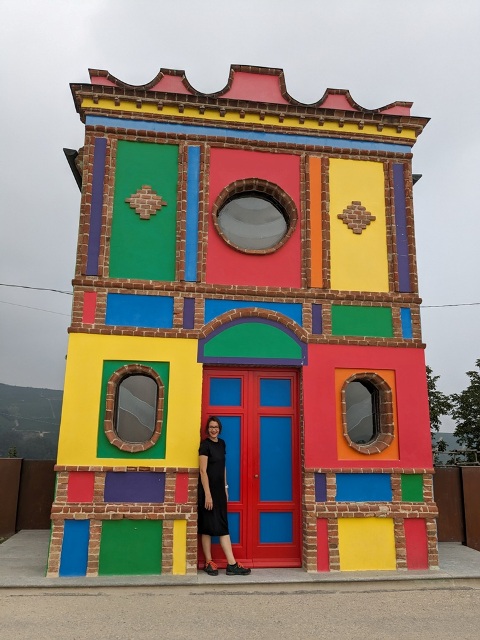
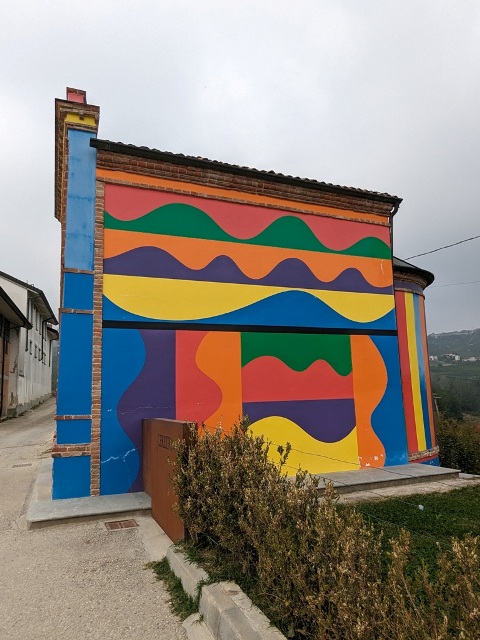
Although the chapel is sometimes open, we found it closed but luckily the road leading to it was open, and with just few curious tourists like us, snapping photos in exchange and admiring the beauty of the area.