After becoming a part time employee at Museene i Akershus, a different and new part of Oslo opened to us.Museums in Akershus or MiA is one of Norway’s most diverse regional museum networks. MiA preserves and presents everything from coastal culture and aviation history to wartime experiences, traditional crafts, and everyday life in the Akershus region.
MiA consists of 20 museums with around 30–34 visitor sites offering an endless opportunity for weekend visits and cultural upbringing.
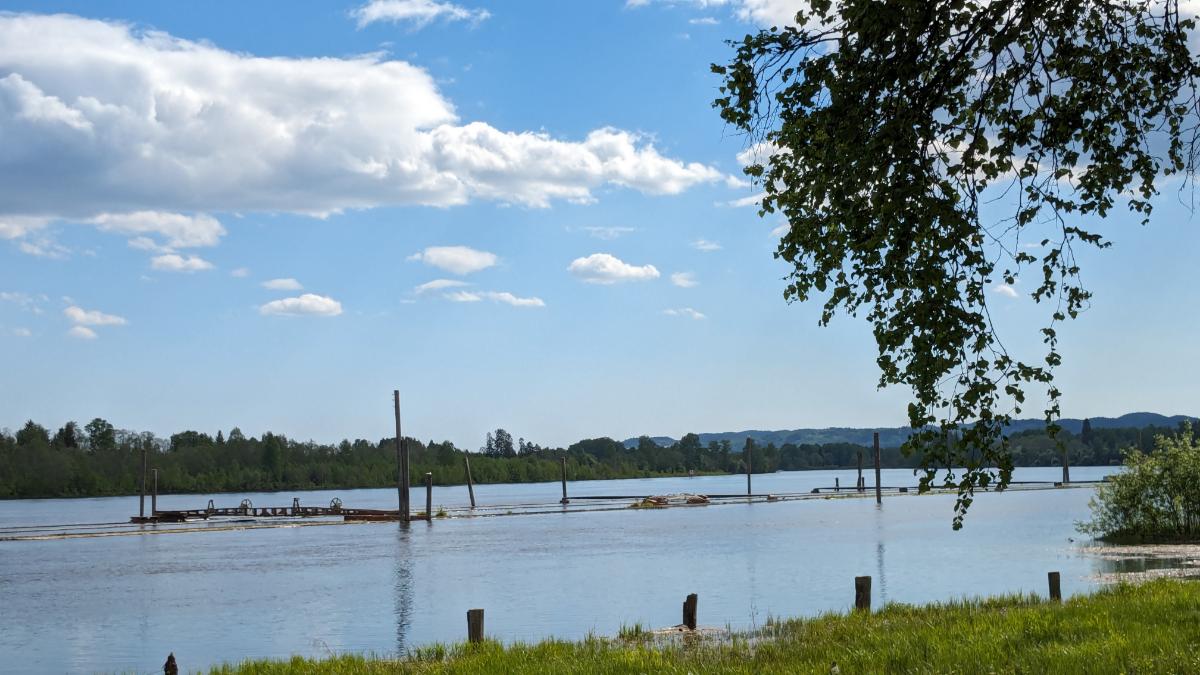
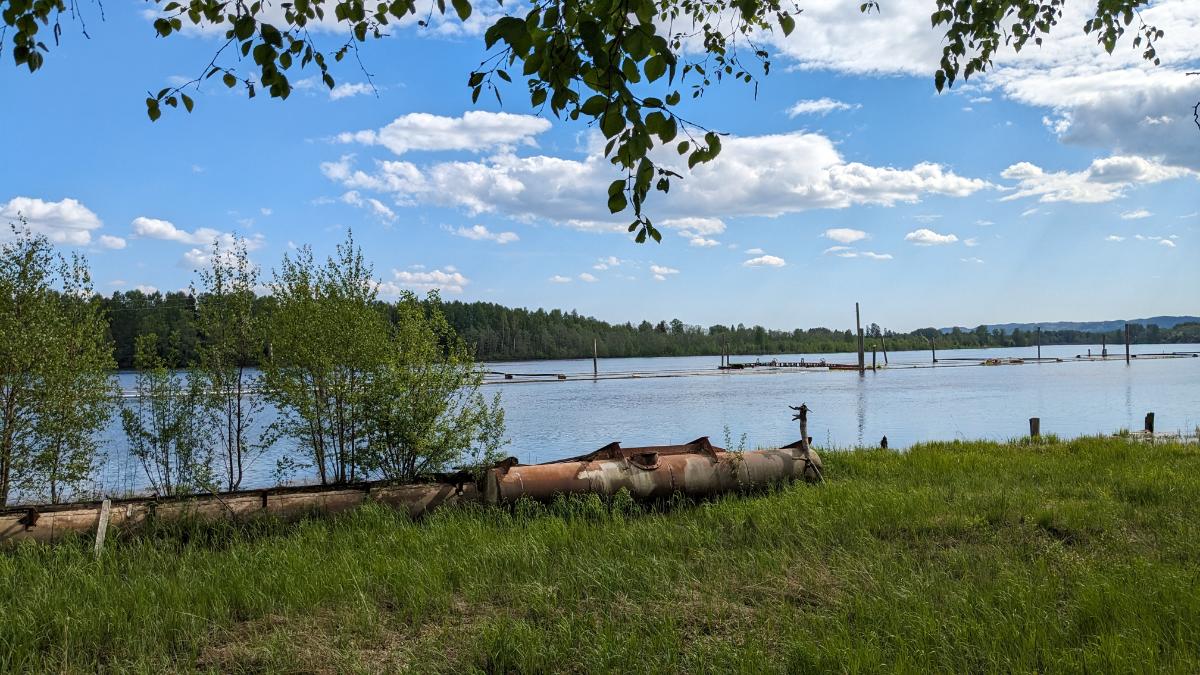
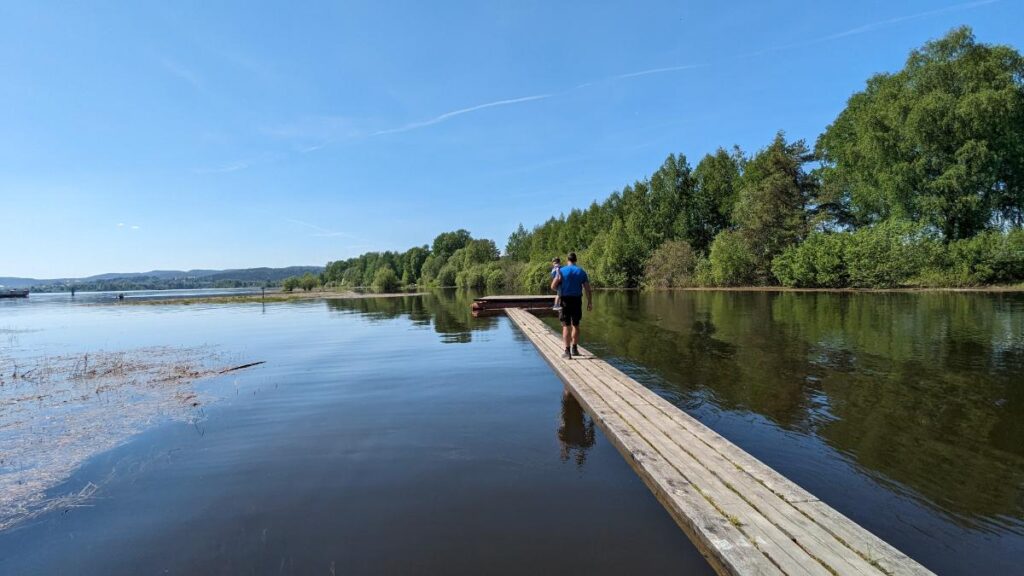
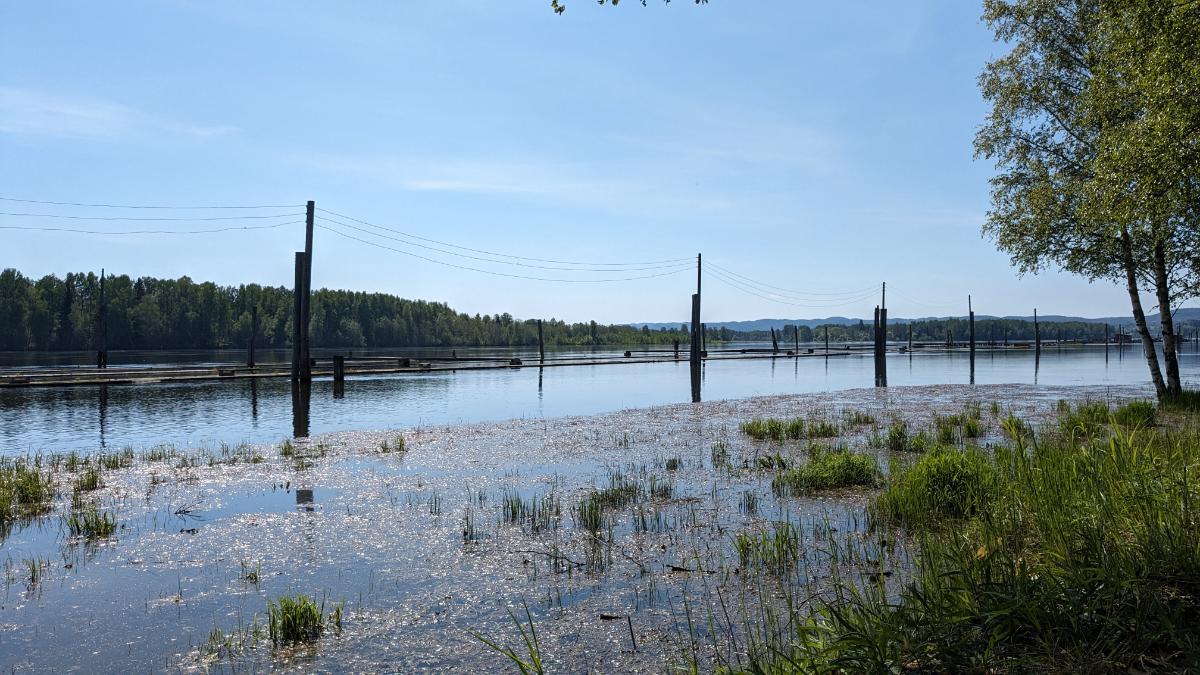
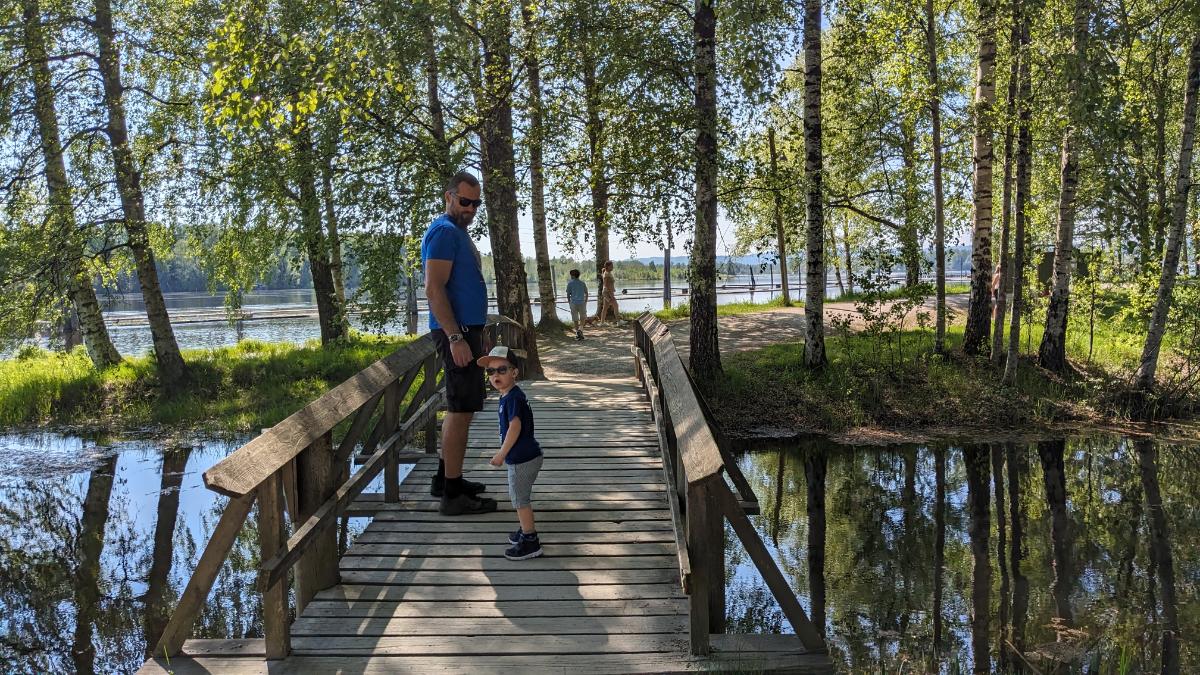
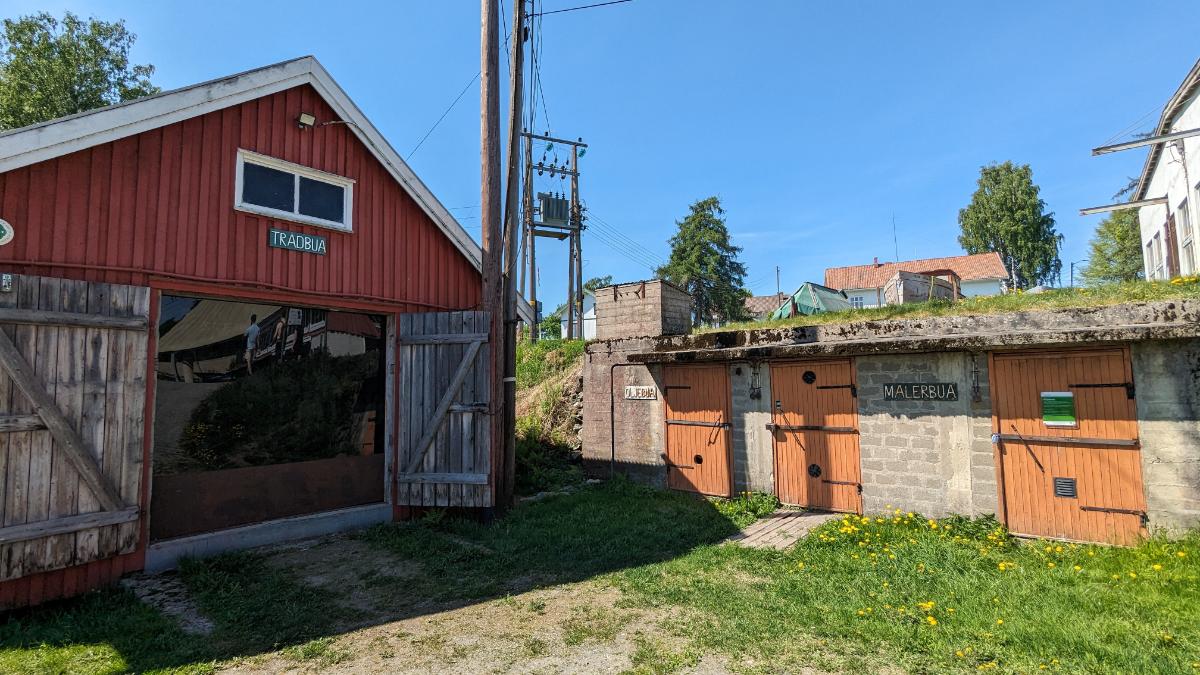
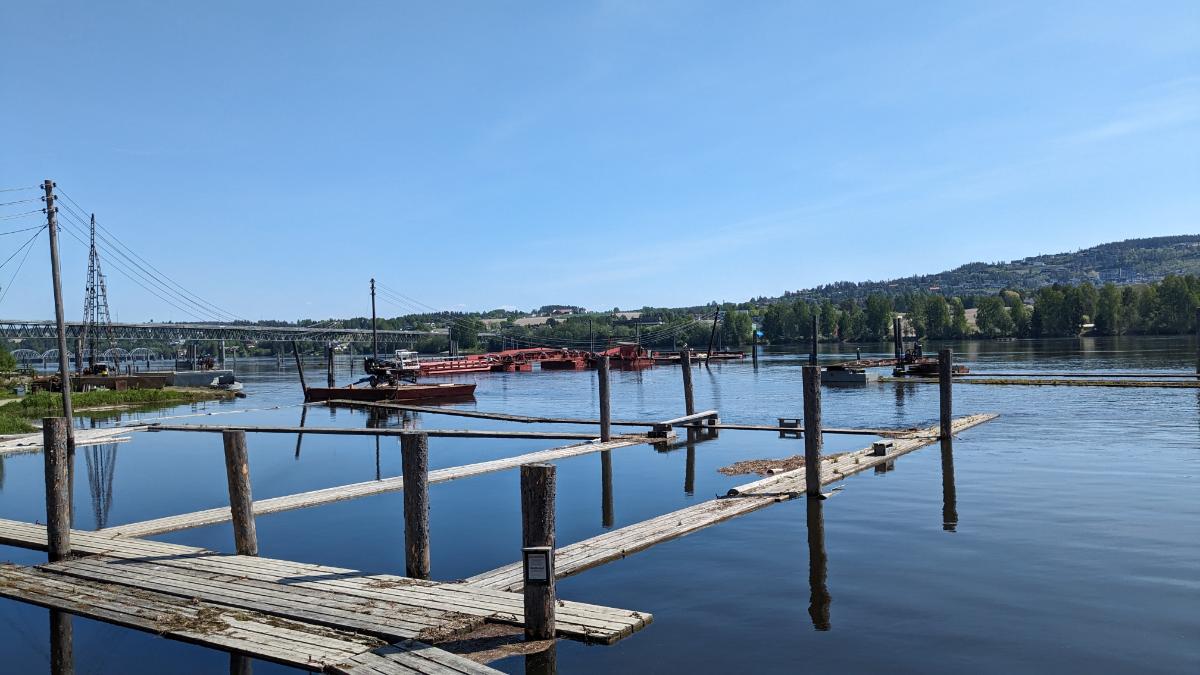
Situated around 30 minutes drive from our home, Fetsund Lenser are a Norwegian national cultural heritage monument, log driving museum and wetland center at the outlet of the Glomma river into Lake Øyeren in Lillestrøm municipality.
Over one third of Norway is covered in forest and long before oil, timber was Norway’s bestselling product. The biggest buyer – England. Still today some old pubs could have their interiors made out of Norwegian wood.
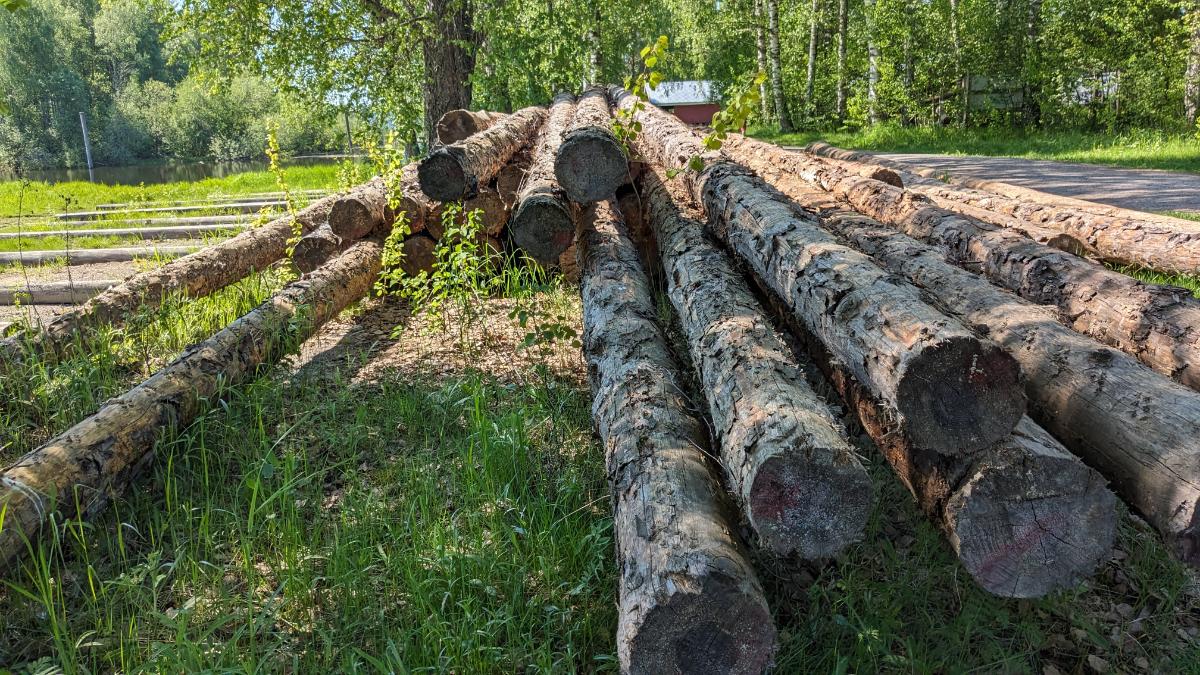
Log driving on the Glomma River began in the 1300s, but increased when frame saws were introduced in the 16th century. Just around that time Mogens Lauritssøn bought Linderud Gård and started his wealth within the industry.
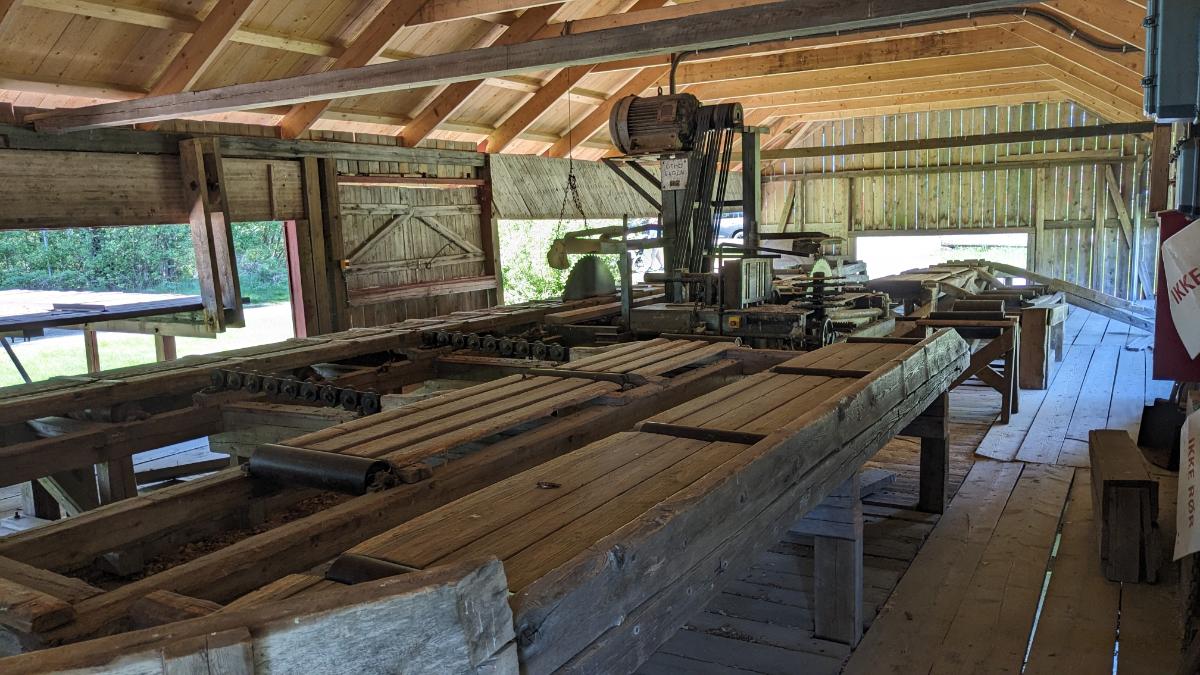
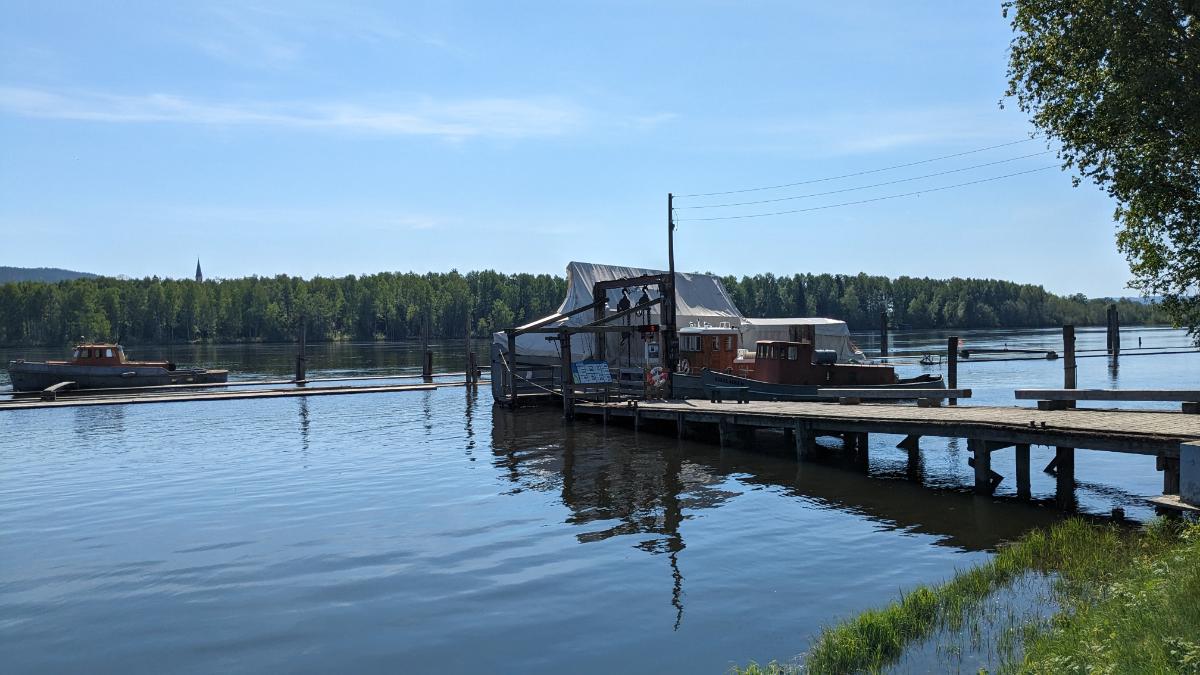
In the beginning, the timber was tied together in the Glomma River some 20 km north and from there the timber rafts were towed by boats to the many sawmills along the lake and in Lillestrøm area. When the railway bridge in Fetsund was built in 1861, the norther booms were moved to Fetsund.
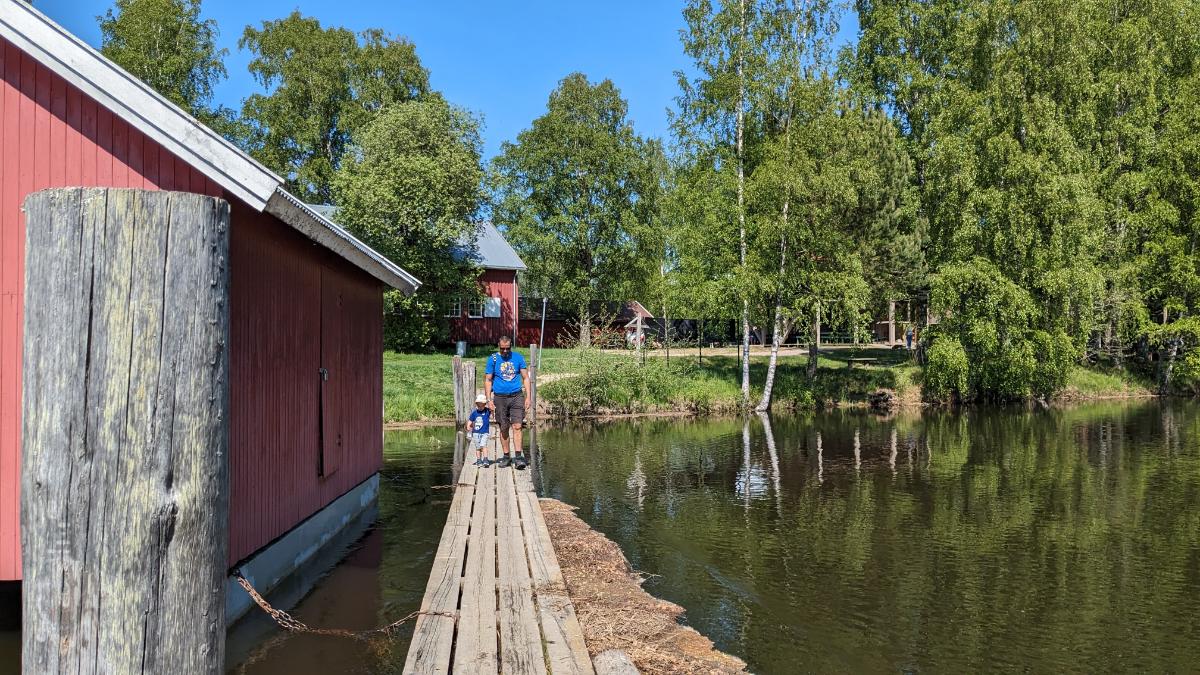
From mid 1800 to the end of the 1980 Fetsund booms were fully operating before closing and opening as a cultural heritage and a living museum with workshops and cafe.